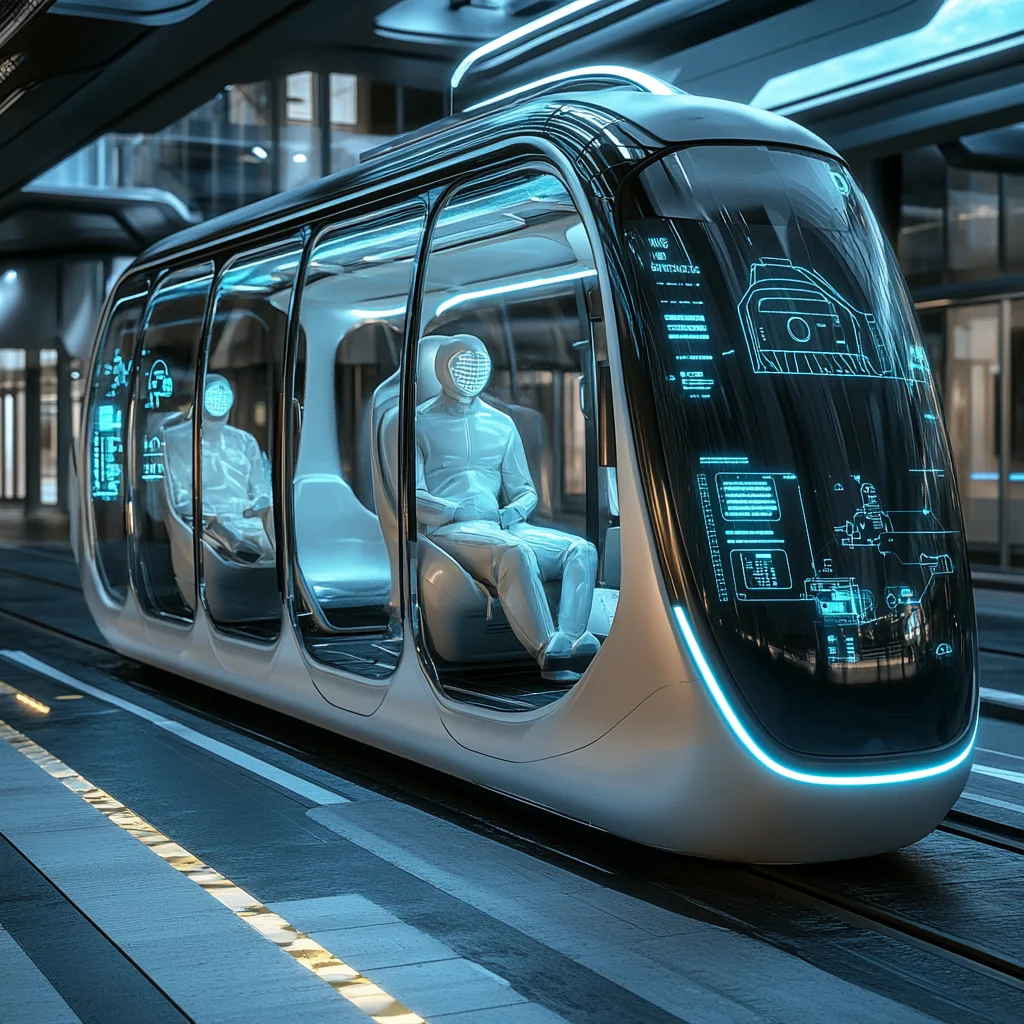
A mobility digital twin gives transport teams a realistic, data-connected way to test decisions before they affect passengers, drivers, staff, or city streets. Instead of relying only on static plans or after-the-fact reports, teams can simulate routes, stations, vehicle flows, passenger support, disruptions, and service changes in a shared virtual environment.
For transit operators, airports, fleet teams, smart-city planners, and mobility brands, the opportunity is practical. A digital twin can show where crowding builds, how a delay spreads, where an AI assistant should intervene, and which operational change is likely to improve the journey. The best systems combine 3D environments, live data, simulation logic, and human review so decisions become easier to explain and safer to roll out.
This guide explains what mobility digital twins do, how they differ from traditional planning, where AI simulation adds value, what data is required, which KPIs matter, and how teams can deploy them responsibly.
Table of Contents
What a mobility digital twin actually does
A mobility digital twin is a working virtual representation of a transport environment. It may model roads, stations, platforms, curbs, airports, shuttle routes, parking zones, depots, vehicles, passenger flows, service desks, kiosks, and control-room decisions. The purpose is not to create a pretty 3D scene. The purpose is to let teams ask better operational questions and see likely outcomes before making expensive or risky changes.
For example, a transit team can test whether moving kiosks reduces queues, whether a new shuttle pattern improves transfers, or whether a station layout remains safe during a weather delay. A fleet team can compare training scenarios, route changes, or vehicle-assistant prompts. A smart-city team can examine curbside congestion, pedestrian conflicts, and connected-vehicle behavior without waiting for a live incident.
Mimic Mobility's work in passenger flow simulation and 3D simulation technologies fits this kind of decision system: realistic environments, measurable scenarios, and visual evidence that different teams can review together.
Digital twin vs traditional transit planning
Traditional planning is still valuable. Timetables, ridership reports, road studies, site surveys, and staff experience all matter. The limitation is that these inputs often describe a system in pieces. A digital twin connects those pieces so the team can test how one change affects the rest of the journey.
Static studies: best for documenting current conditions, but weaker for testing fast-changing disruptions.
Pilot projects: useful for proof, but expensive when the team has not already narrowed the best options.
Digital twins: strongest when teams need to compare scenarios, explain tradeoffs, and rehearse operational choices.
Best approach: combine real data, operational judgment, 3D simulation, field pilots, and continuous measurement.
Benefits for operators, passengers, and mobility brands
The most useful digital twins are tied to operational outcomes. They help operators reduce uncertainty, passengers experience fewer confusing moments, and brands explain complex mobility systems in a way stakeholders can understand. This is especially important when AI assistants, kiosks, connected vehicles, and real-time information systems all touch the same journey.
Better planning: teams can compare routes, layouts, queue rules, staff positions, and disruption playbooks before rollout.
Safer testing: risky events can be rehearsed in simulation before drivers, passengers, or frontline teams face them live.
Clearer passenger support: AI avatars, wayfinding systems, and kiosks can be tested inside realistic passenger moments.
Stronger stakeholder alignment: operations, design, safety, accessibility, and leadership teams can review the same evidence.
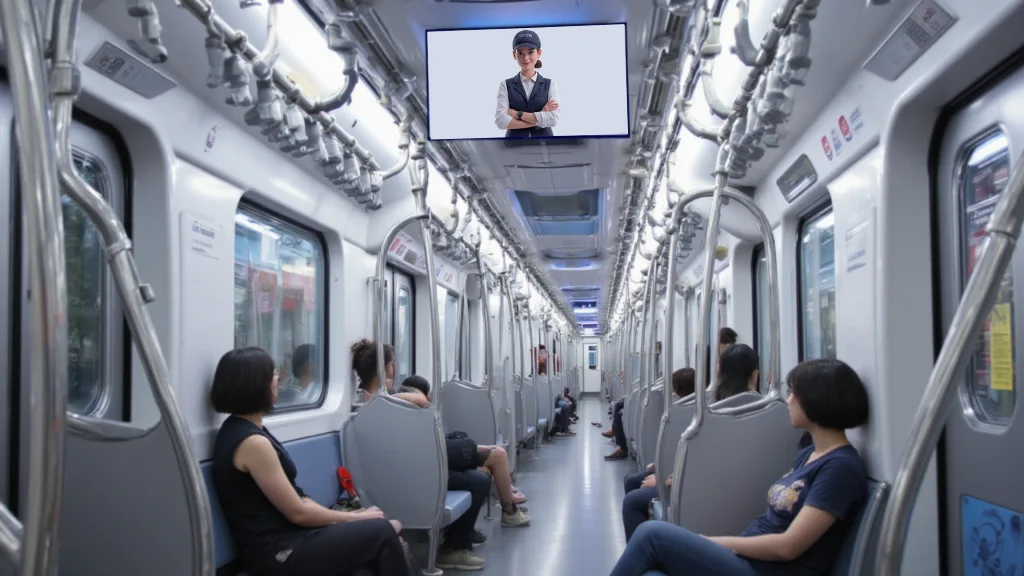
This connects naturally with AI avatars in mobility because digital twins can show whether an avatar helps passengers at the right place, with the right timing, and with the right handoff when the situation is sensitive.
Use cases across transit and mobility environments
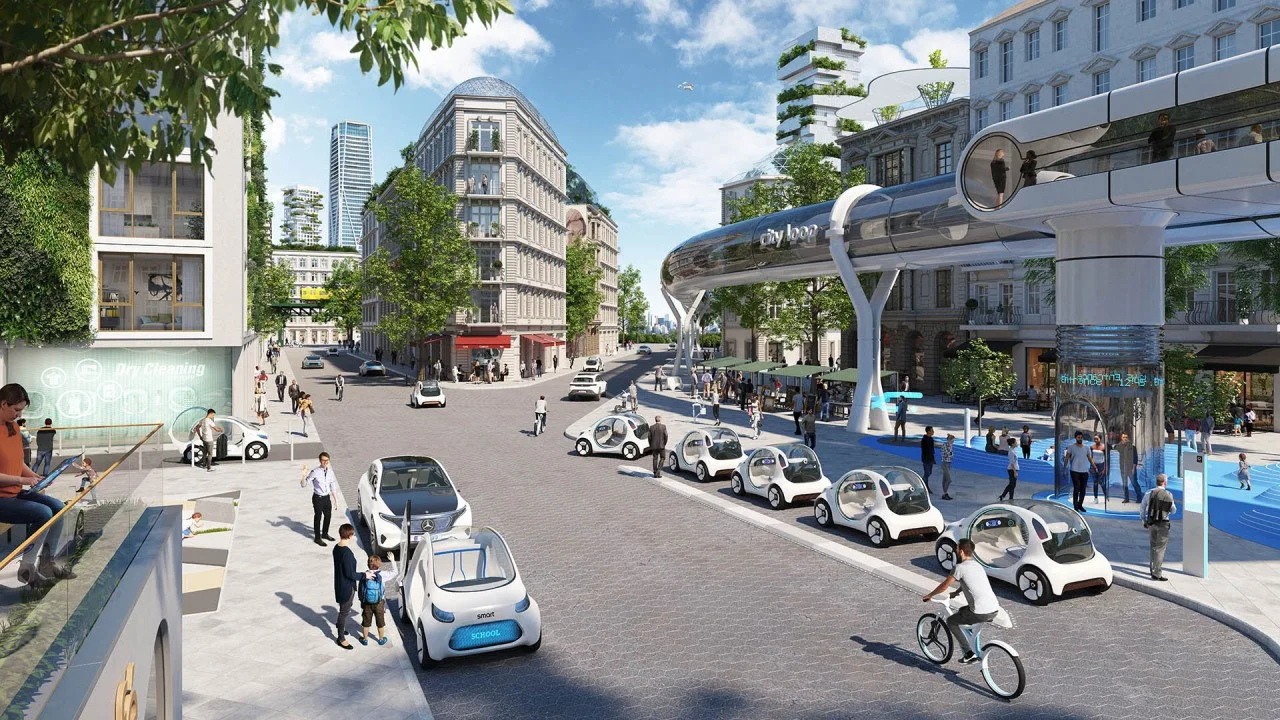
A mobility digital twin does not need to model an entire city on day one. Many teams begin with one high-value decision: a station crowding problem, a depot workflow, a curbside pickup conflict, a shuttle route, an airport support zone, or a fleet training scenario.
Public transit: platform density, interchange walking routes, boarding waves, elevator demand, and disruption communication.
Airports and mobility hubs: check-in queues, rebooking zones, security lanes, gate changes, baggage areas, and kiosk placement.
Fleet operations: depot layouts, driver coaching, vehicle utilization, route variation, and incident-response practice.
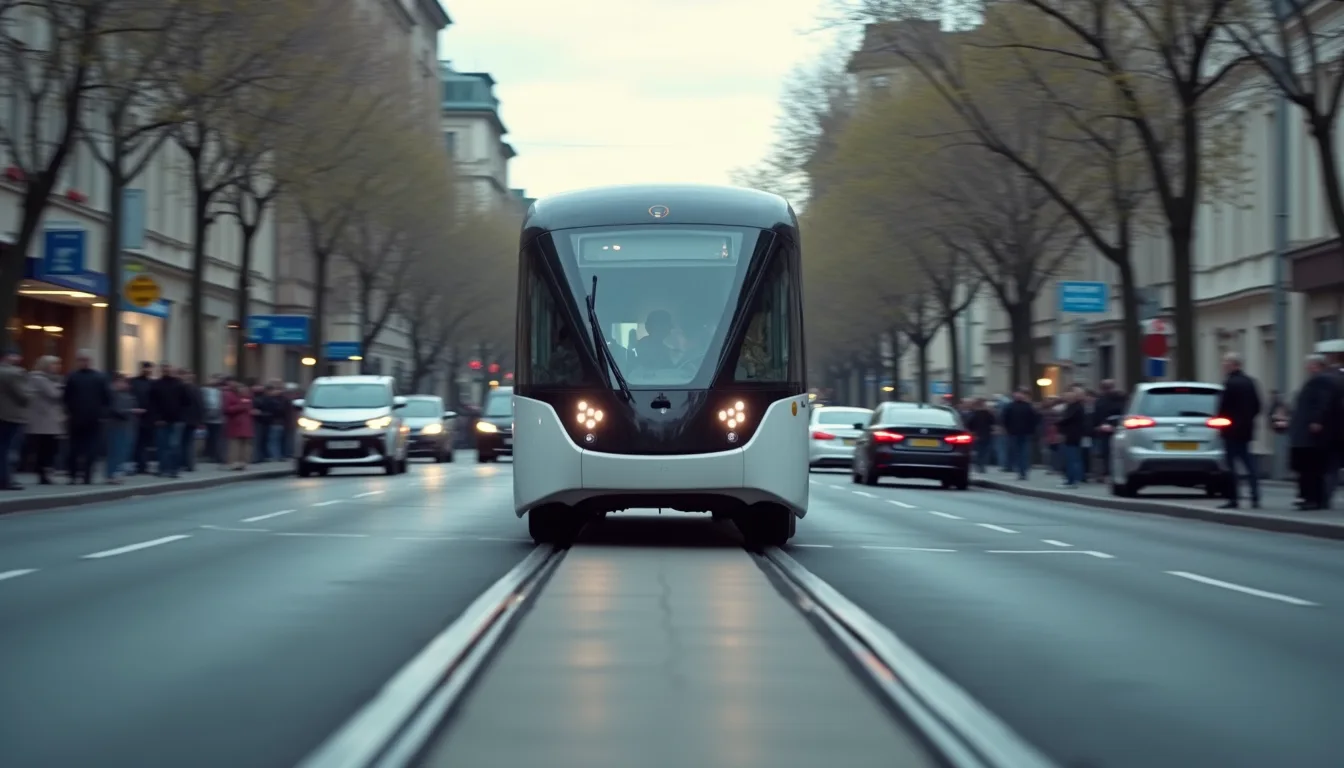
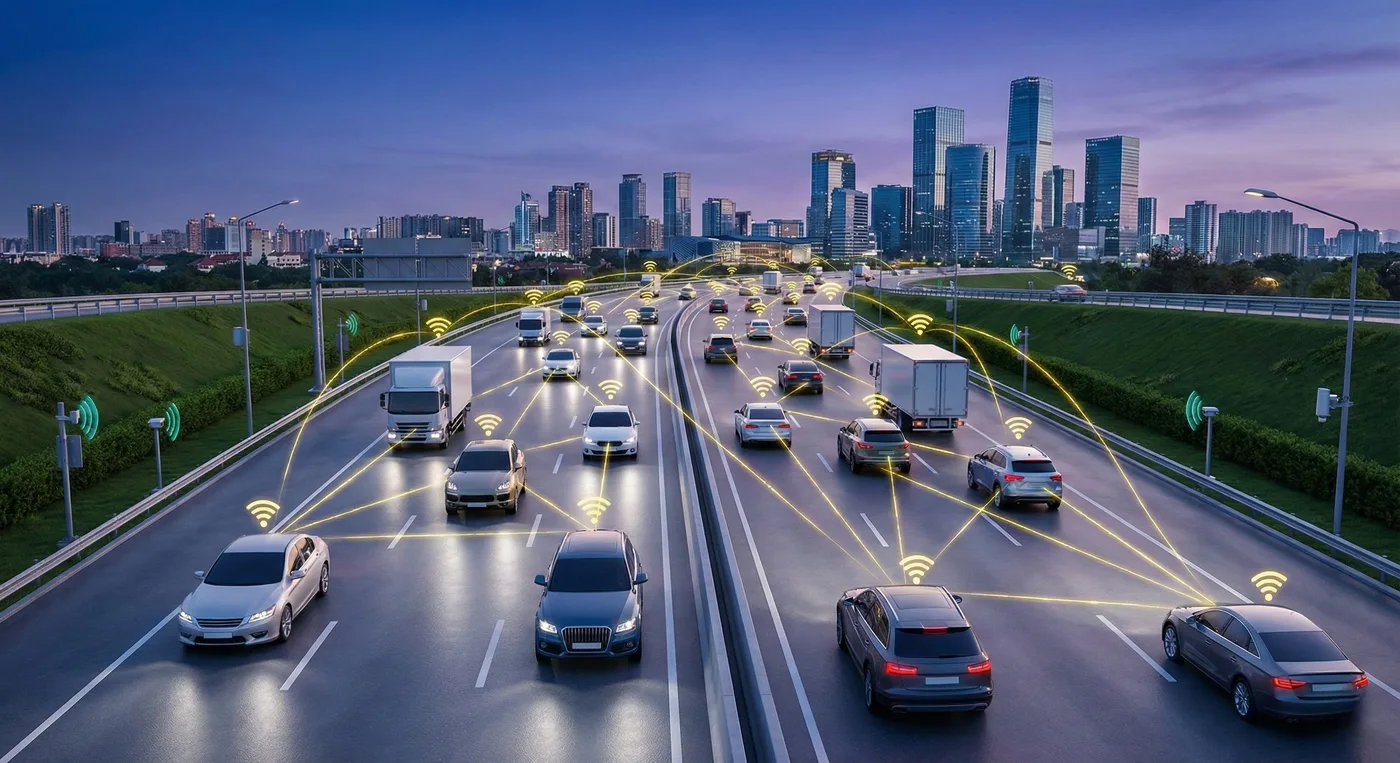
Autonomous and connected mobility: shuttle pilots, curbside pickup, V2X communication, passenger guidance, and remote support.
Passenger-facing systems should be included in the model, not treated as separate add-ons. AI kiosks and AI navigation assistant systems only work well when they are tested against real movement, traffic, service rules, and passenger pressure.
Data checklist for a reliable mobility digital twin
The quality of a digital twin depends on the quality of its inputs. A polished simulation with weak assumptions can still point the team in the wrong direction. Before building the model, define the decision, then collect the data needed to test that decision honestly.
Spatial data: floor plans, road geometry, platform layouts, curb zones, signage, barriers, service desks, and vehicle areas.
Movement data: passenger counts, walking paths, dwell time, queue length, boarding patterns, traffic counts, and transfer behavior.
Operational data: schedules, GTFS or real-time feeds, fleet state, staffing levels, disruption records, weather, and incident logs.
Human factors: accessibility needs, language support, luggage, families, driver workload, staff handoff, and passenger stress moments.
Governance inputs: approved service rules, escalation paths, privacy limits, retention policies, and responsible AI controls.
Teams working with road networks can reuse lessons from traffic simulation data collection: validate the source, check update frequency, document assumptions, and avoid pretending that missing data is precise.
Implementation steps for mobility teams
The strongest rollout starts small and becomes more connected over time. A focused first model should answer a real operational question, not try to solve every mobility challenge at once.
Define the decision: choose the location, user group, time period, and measurable problem.
Build the baseline: model the current layout, demand, service rules, and known bottlenecks.
Validate with people: review the model with operators, frontline staff, accessibility teams, and safety stakeholders.
Test realistic scenarios: compare layout, staffing, routing, AI assistant, kiosk, and disruption options.
Pilot the strongest option: deploy carefully, measure live results, and update the digital twin with new evidence.

KPIs that prove the model is improving operations
A mobility digital twin should be judged by operational improvement, not visual polish. Teams should choose a short KPI set before simulation begins so every scenario is measured consistently.
Passenger experience: wait time, missed connection risk, wayfinding success, support resolution, accessibility completion, and satisfaction.
Operational performance: throughput, dwell time, service recovery speed, queue spillover, staff intervention rate, and asset utilization.
Safety and resilience: density thresholds, incident-response time, driver workload, alert comprehension, and safe route availability.
AI quality: answer accuracy, fallback rate, escalation quality, approved-source coverage, and repeated failure points.
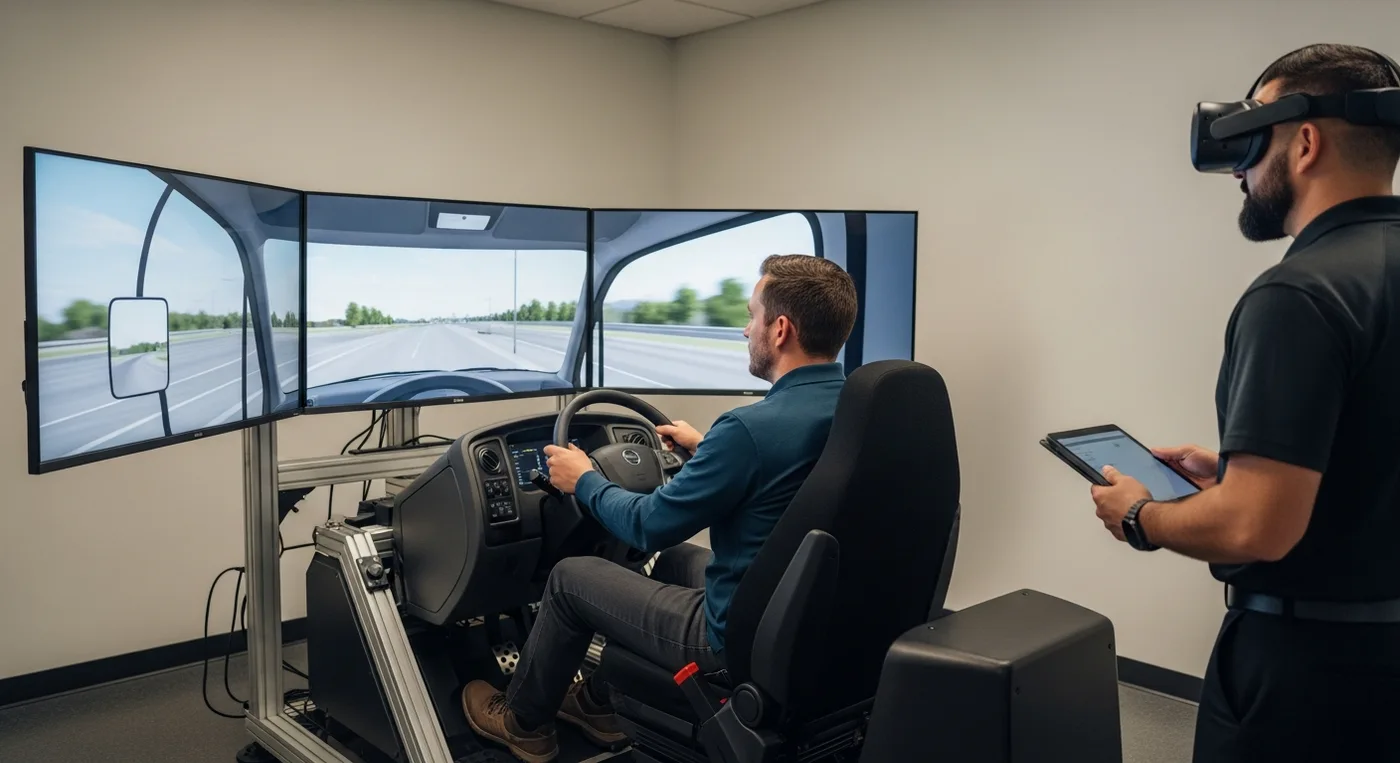
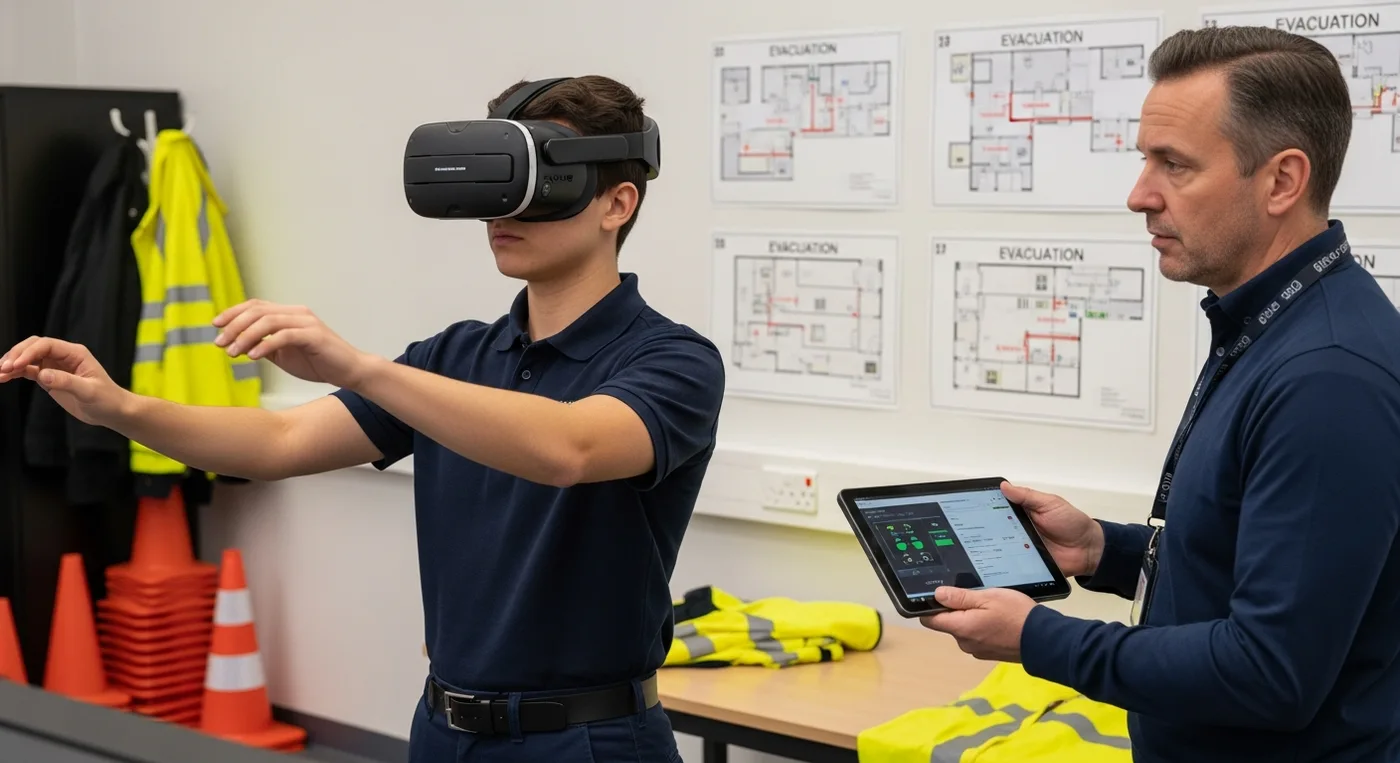
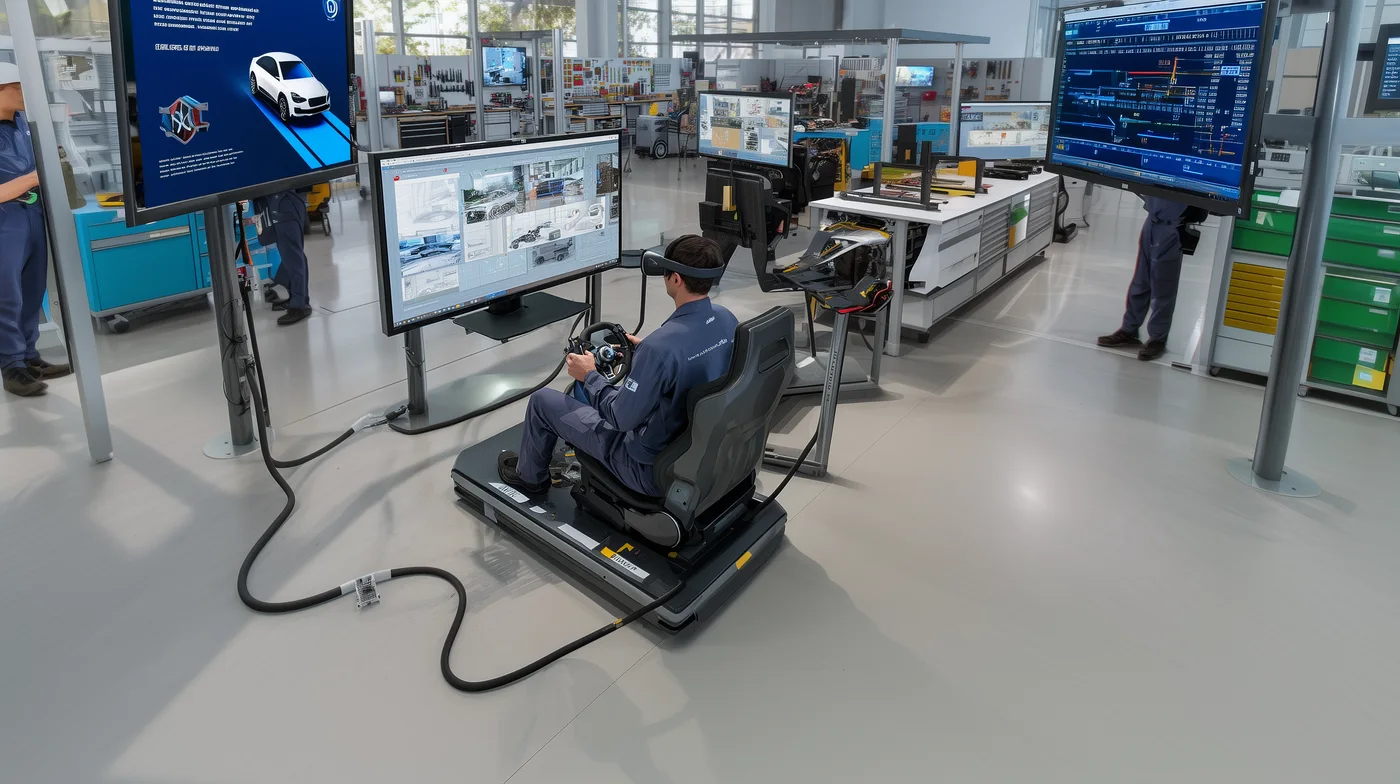
For fleet and training programs, the same KPI discipline supports virtual driving simulation and VR emergency response training because practice only matters when it changes real behavior.
Privacy, safety, and responsible AI
Digital twins often use sensitive mobility signals: location patterns, ticketing data, camera-derived counts, vehicle telemetry, accessibility requests, support conversations, and incident records. Responsible teams collect only what they need, aggregate where possible, and document how data is used.
AI should support operational judgment, not replace it. A model may identify a statistically efficient routing option that feels unsafe for late-night passengers, creates accessibility friction, or overwhelms staff. That is why simulation outputs need human review from safety, operations, privacy, accessibility, and frontline teams.
Use anonymized or aggregated movement patterns whenever individual identity is unnecessary.
Keep sensitive data out of shared screens, public demos, and broad stakeholder reviews.
Define handoff rules for emergency, payment, complaint, identity, health, and safety-critical scenarios.
Review AI recommendations for bias, accessibility gaps, hallucinations, and unexpected operational risk.
Mistakes to avoid
The biggest mistake is treating a digital twin as a one-time visualization. Mobility systems change constantly: schedules, construction, demand, staff availability, weather, rider expectations, and vehicle behavior all move. The model should become a living planning tool, not a presentation asset that expires after launch.
Starting without a decision: if the model does not answer a clear question, it becomes hard to measure value.
Over-trusting weak data: a precise-looking simulation can still be wrong if the source assumptions are outdated.
Ignoring frontline knowledge: operators often know practical constraints that clean data does not reveal.
Leaving passengers out: speed gains are not enough if accessibility, language, stress, or trust problems increase.
Future trends in simulation-led mobility
The next phase of mobility digital twins will be more real-time, more passenger-aware, and more connected to AI interfaces. Instead of only modeling infrastructure, teams will model service behavior: how passengers receive help, how drivers respond to prompts, how staff intervene, and how automated systems communicate during disruptions.
Live operational twins that update from schedules, sensors, vehicle telemetry, weather, and demand signals.
AI assistants tested inside 3D passenger journeys before they are deployed in vehicles, hubs, or apps.
Scenario libraries for construction, peak periods, weather disruption, emergencies, and special events.
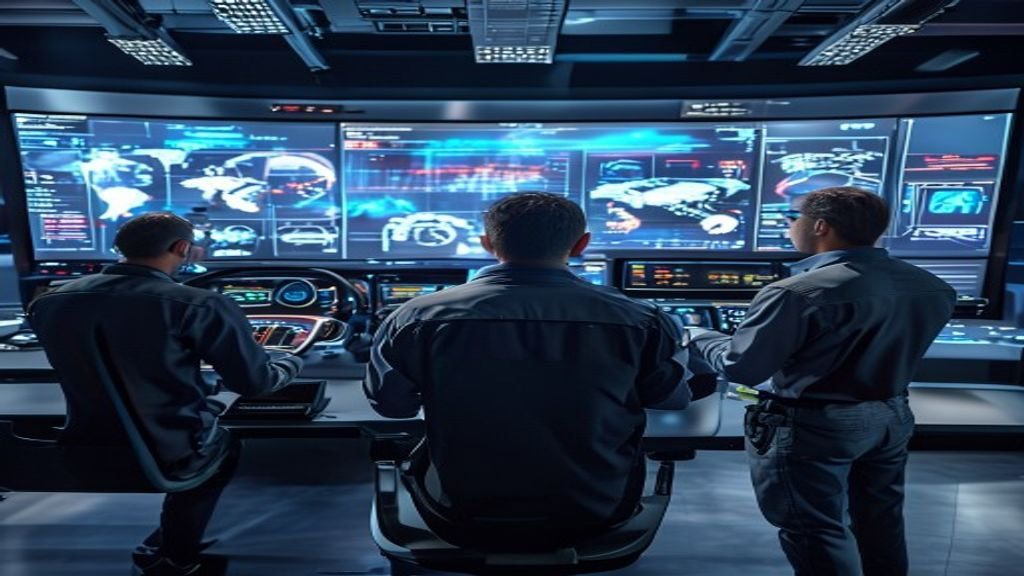
Shared decision rooms where planners, operators, safety teams, and executives review evidence together.
FAQ
What is a mobility digital twin?
It is a virtual model of a transport environment that uses data, simulation, and 3D context to test operational decisions before they are deployed in the real world.
How is a mobility digital twin different from a normal simulation?
A normal simulation may test one scenario. A digital twin is designed to stay connected to real data, operational assumptions, and repeatable decision-making over time.
Can digital twins help public transit operators?
Yes. They can help with platform crowding, route changes, station layouts, service disruptions, staff allocation, accessibility routes, and passenger communication.
What data does a mobility digital twin need?
Useful inputs include spatial layouts, passenger counts, vehicle data, schedules, traffic feeds, weather, service rules, accessibility needs, and historical disruption records.
Where does AI fit into a mobility digital twin?
AI can forecast demand, generate scenarios, detect bottlenecks, compare options, and support passenger-facing systems such as avatars, kiosks, and navigation assistants.
Can a digital twin replace real-world pilots?
No. It reduces risk and narrows better options before pilots, but final decisions still need field validation, staff feedback, passenger feedback, and live measurement.
How should success be measured?
Measure wait time, throughput, dwell time, queue spillover, incident response, staff workload, passenger satisfaction, accessibility completion, and AI answer quality.
How should privacy be handled?
Use aggregated or anonymized movement data where possible, collect only necessary data, limit access, define retention rules, and review AI decisions with privacy and safety stakeholders.
Conclusion
Mobility digital twins help transport teams make better decisions before those decisions reach the public. They connect spatial design, operational data, AI simulation, passenger experience, safety review, and measurable KPIs into one shared planning environment.
For teams planning smarter transit operations, passenger-support systems, simulation-led fleet training, or AI-powered mobility experiences, Mimic Mobility can help design realistic mobility simulations and digital twin workflows that turn complex transport systems into clearer, safer, and more testable decisions.