Navigation has evolved far beyond static maps and basic turn-by-turn instructions. Modern transportation networks demand systems that adapt in real time to traffic congestion, weather disruptions, road conditions, and vehicle performance. An AI navigation assistant brings these elements together into a single intelligent system that continuously optimizes routes, improves safety, and reduces delays for drivers and fleet operators alike.
By combining live traffic feeds, meteorological data, and vehicle telemetry, AI-powered navigation systems provide context-aware guidance that traditional GPS tools cannot deliver. These systems are increasingly used in commercial fleets, logistics operations, public transport, and advanced driver assistance programs. Platforms supported by Mimic Mobility enable this level of intelligent navigation through simulation, data integration, and AI-driven decision logic.
This article explores how AI navigation assistant systems work, why integrated data matters, and how mobility organizations deploy them to improve efficiency and safety.
Table of Contents
Why are traditional navigation systems no longer sufficient?
Reducing congestion and emissions through intelligent routing
What is an AI navigation assistant?
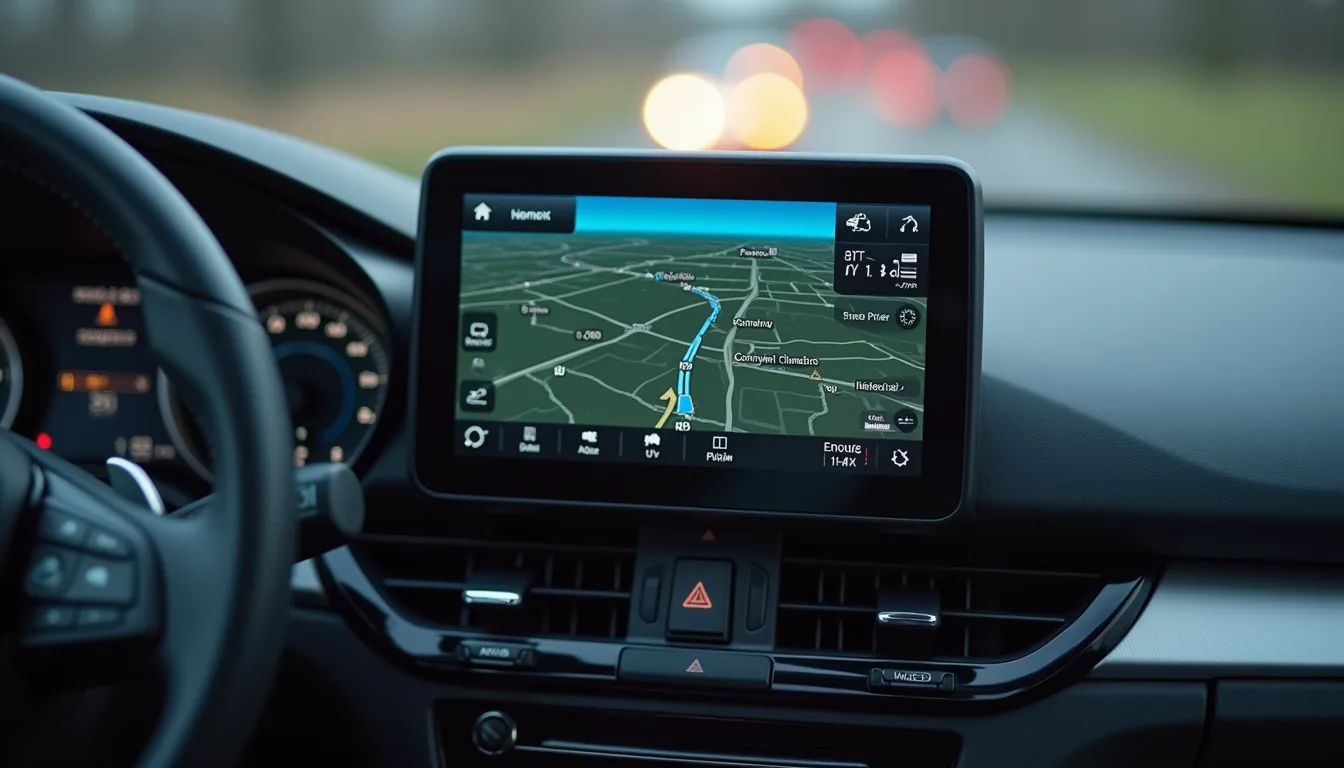
An AI navigation assistant is an intelligent route guidance system that continuously analyzes multiple data sources to provide optimal driving instructions. Unlike traditional GPS, which follows predefined maps and static rules, AI-driven navigation adapts dynamically.
Key inputs include:
real-time traffic conditions
weather forecasts and alerts
vehicle telemetry data
road incidents and closures
historical travel patterns
driver behavior signals
The assistant processes this information to recommend routes that balance speed, safety, fuel efficiency, and vehicle capability.
This adaptive approach aligns with the intelligent mobility systems supported by the Mimic Mobility tech platform.
Why are traditional navigation systems no longer sufficient?
Conventional navigation tools rely on static map data and limited traffic updates. They often fail to account for sudden disruptions or changing conditions.
Limitations include:
delayed traffic updates
lack of weather awareness
no understanding of vehicle condition
one-size-fits-all routing
poor performance during emergencies
As cities grow more complex and weather events become more frequent, navigation systems must evolve. AI-based navigation addresses these gaps by learning from patterns and reacting instantly.
Real-time traffic intelligence and adaptive routing
Traffic conditions change minute by minute. AI navigation assistants ingest live data from sensors, cameras, connected vehicles, and traffic management systems.
They can:
detect congestion before it becomes visible
reroute drivers proactively
predict traffic buildup based on time and location
account for accidents or road work
balance traffic load across alternate routes
This dynamic routing improves journey reliability and reduces driver frustration.
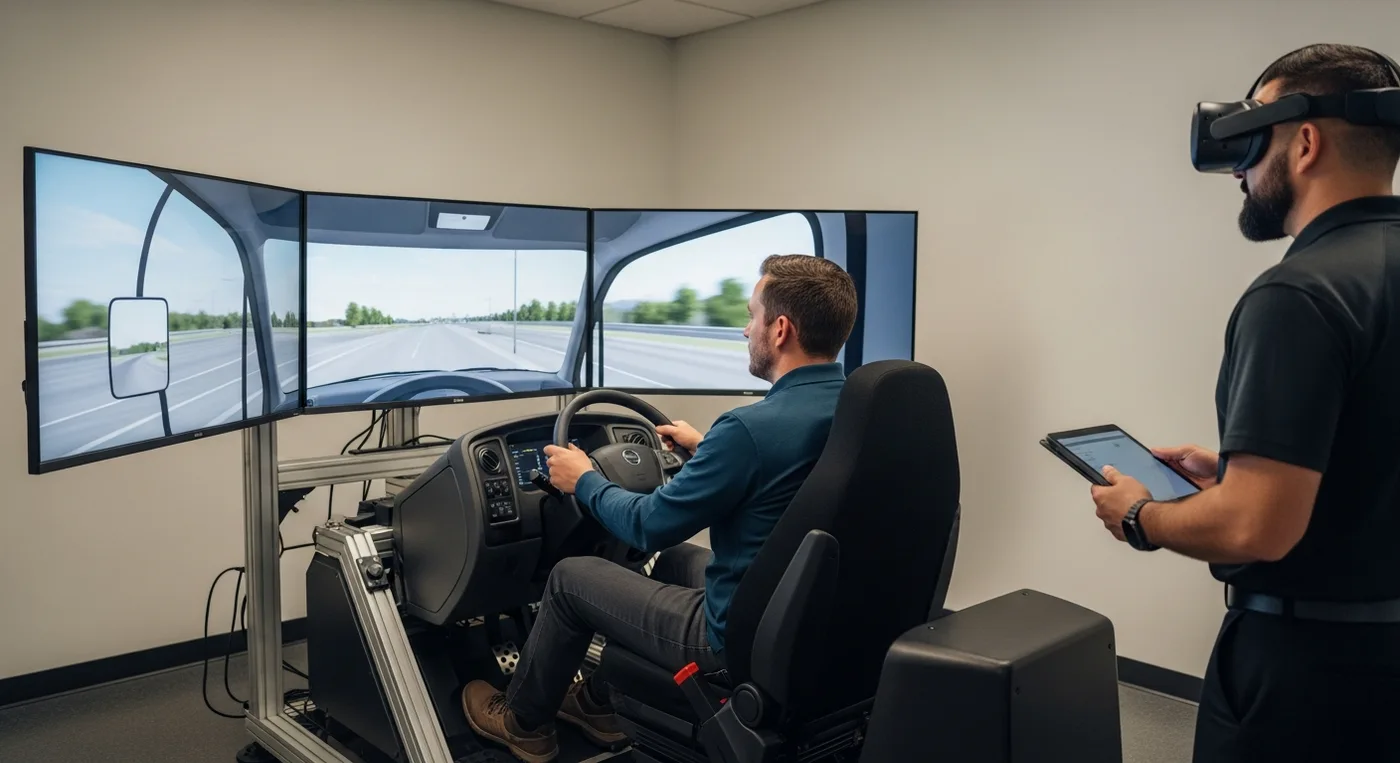
Such adaptive logic complements the safety-focused simulation strategies discussed in virtual driving training systems.
Weather-aware navigation for safer mobility
Weather significantly impacts driving safety and travel time. AI navigation assistants integrate meteorological data to adjust routing decisions.
Weather-aware features include:
avoiding flooded or icy roads
rerouting around severe storms
adjusting speed recommendations
factoring visibility conditions
planning safer routes during extreme heat or snow
By anticipating weather risks, AI navigation systems reduce accidents and improve driver confidence.
This capability is particularly important for commercial fleets operating across diverse climates.

GPS Navigation vs AI Navigation Assistant Systems
Feature | Traditional GPS | AI Navigation Assistant |
Traffic updates | Periodic | Continuous and predictive |
Weather integration | Minimal | Fully integrated |
Vehicle awareness | None | Uses telemetry data |
Route optimization | Static | Dynamic and adaptive |
Safety focus | Limited | High, risk-aware routing |
Fleet suitability | Basic | Advanced, scalable |
Environmental impact | Not considered | Optimizes fuel and emissions |
Learning capability | None | Learns from patterns |
Vehicle data integration and performance-aware routing
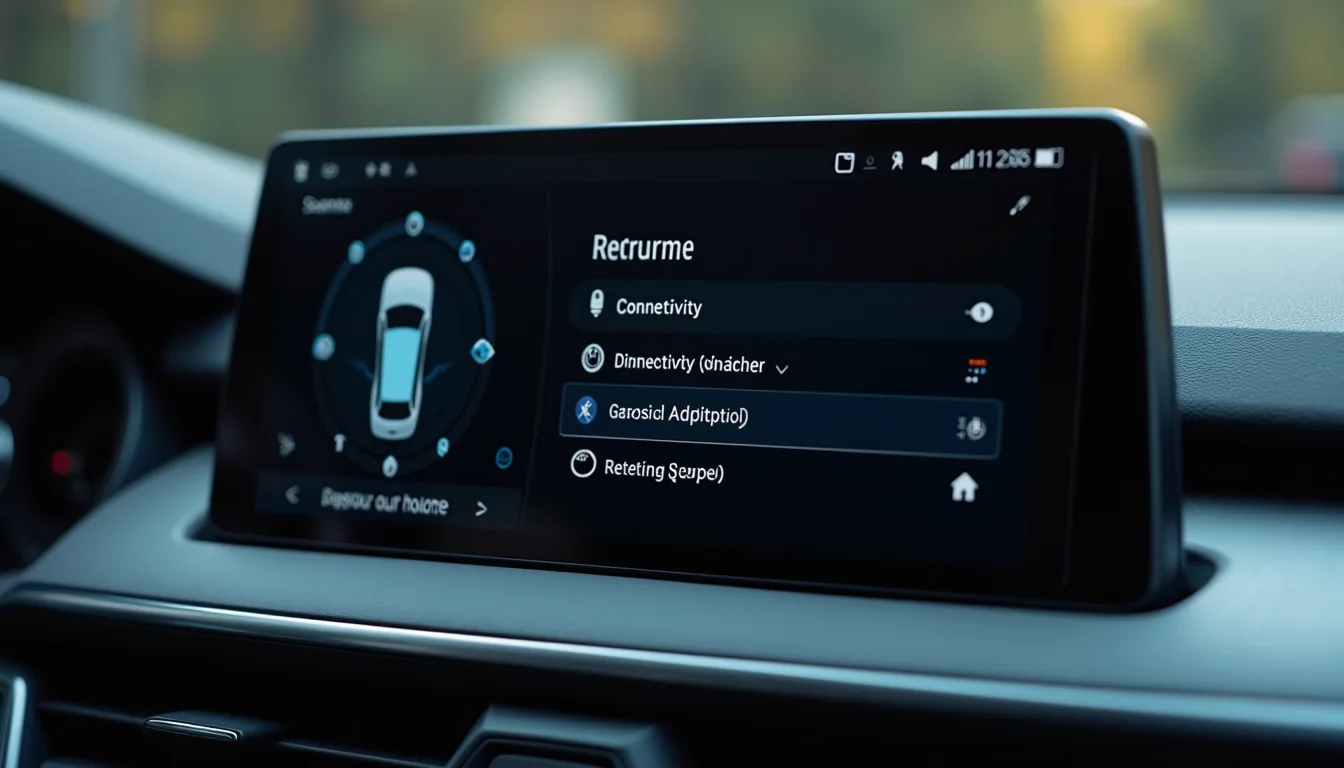
Modern vehicles generate rich telemetry data that AI navigation assistants can use to refine routing.
Relevant vehicle data includes:
fuel or battery level
engine temperature
load weight
tire pressure
braking performance
driver behavior patterns
Using this data, AI systems can:
avoid steep routes for heavy vehicles
plan charging stops for electric fleets
reduce stress on overheated components
optimize routes for fuel efficiency
This vehicle-aware routing improves longevity and reduces maintenance costs.
AI navigation for fleets and logistics operations
Fleet operators face unique challenges such as tight delivery windows, variable loads, and regulatory constraints.
AI navigation assistants help fleets by:
coordinating multi-vehicle routing
adjusting schedules in real time
optimizing last-mile delivery
reducing idle time
improving on-time performance
supporting driver safety compliance
These capabilities integrate naturally with broader mobility training and operations described in high-risk driving preparation programs.
Reducing congestion and emissions through intelligent routing
By distributing traffic more evenly and avoiding inefficient routes, AI navigation systems contribute to sustainability goals.
Benefits include:
reduced fuel consumption
lower carbon emissions
decreased congestion hotspots
improved urban air quality
smoother traffic flow
Cities and transport authorities increasingly rely on AI navigation insights to support smart mobility initiatives.
Integration with mobility simulation and training platforms
AI navigation assistants are often tested and refined inside simulation environments before deployment.
Simulation platforms allow teams to:
model traffic scenarios
test routing algorithms
evaluate safety outcomes
train drivers on new systems
validate performance under extreme conditions
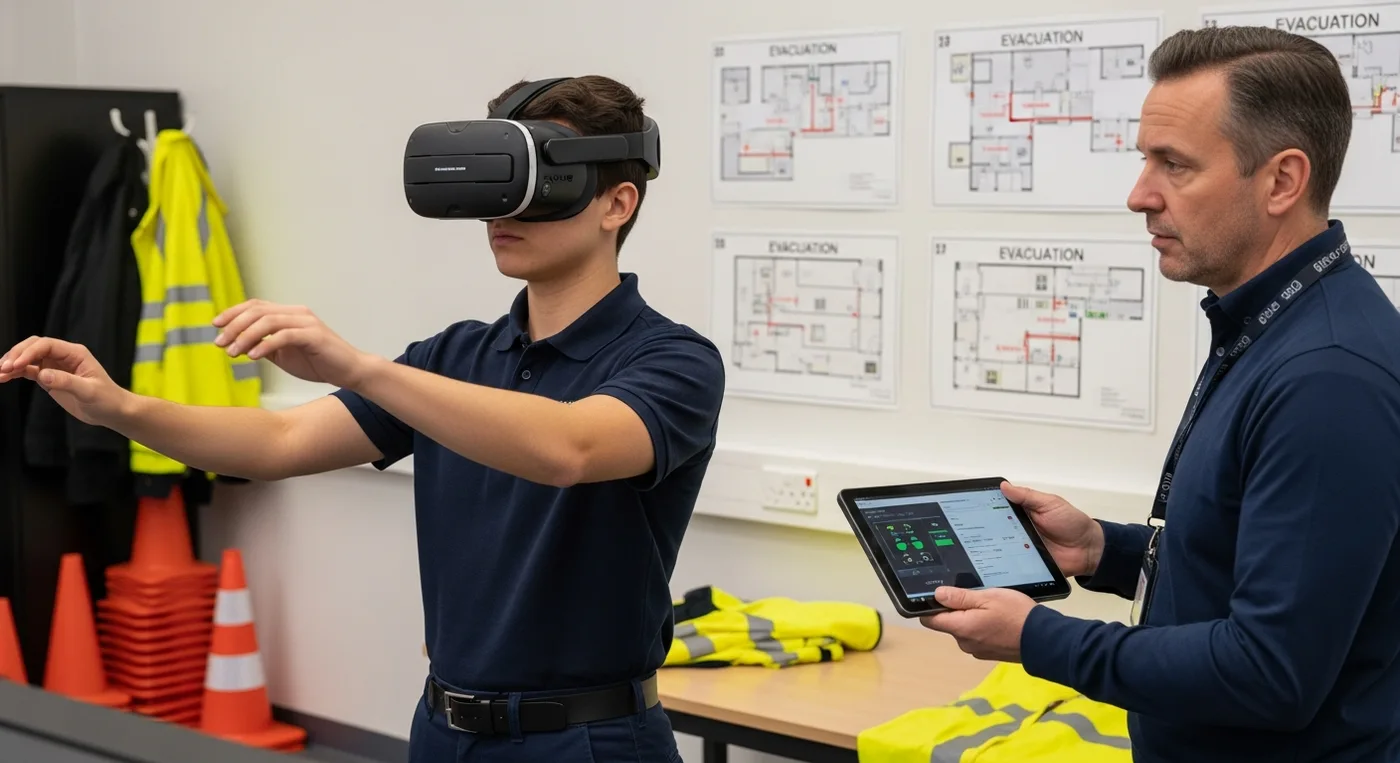
This integration mirrors the immersive mobility approaches used in VR emergency response training.
Simulation ensures AI navigation systems perform reliably in the real world.
Challenges mobility providers must consider
Deploying AI navigation assistants requires addressing:
data accuracy and latency
integration with legacy systems
privacy and security concerns
user trust and adoption
regulatory compliance
edge-case handling
Organizations that plan carefully achieve smoother adoption and better outcomes.
Conclusion
AI navigation assistant systems represent a major leap forward in mobility intelligence. By integrating traffic, weather, and vehicle data, these systems deliver safer, faster, and more efficient routing than traditional navigation tools. For fleets, cities, and individual drivers, AI-driven navigation reduces risk, lowers costs, and improves overall mobility performance.
As transportation systems continue to evolve, intelligent navigation assistants will be central to the future of connected and sustainable mobility.
Mimic Mobility supports this future through advanced simulation platforms, AI-driven analytics, and immersive mobility solutions designed for real-world deployment.
FAQs
1. What makes an AI navigation assistant different from GPS?
It adapts routes dynamically using live traffic, weather, and vehicle data.
2. Can AI navigation improve driver safety?
Yes. It avoids hazardous conditions and provides risk-aware routing.
3. Is AI navigation useful for commercial fleets?
It is especially valuable for fleets managing multiple vehicles and tight schedules.
4. Does AI navigation reduce fuel consumption?
Optimized routing lowers idle time and improves efficiency.
5. Can AI navigation integrate with vehicle systems?
Yes. It uses telemetry data to refine route decisions.
6. Are AI navigation systems scalable?
They scale across cities, fleets, and regions with consistent performance.