
Motion capture, 3D scanning, AR and VR for mobility.
Explore motion capture, facial tracking, 3D scanning, AR and VR for mobility content and interactive experiences. Discuss your platform and production requirements.
Explore the technology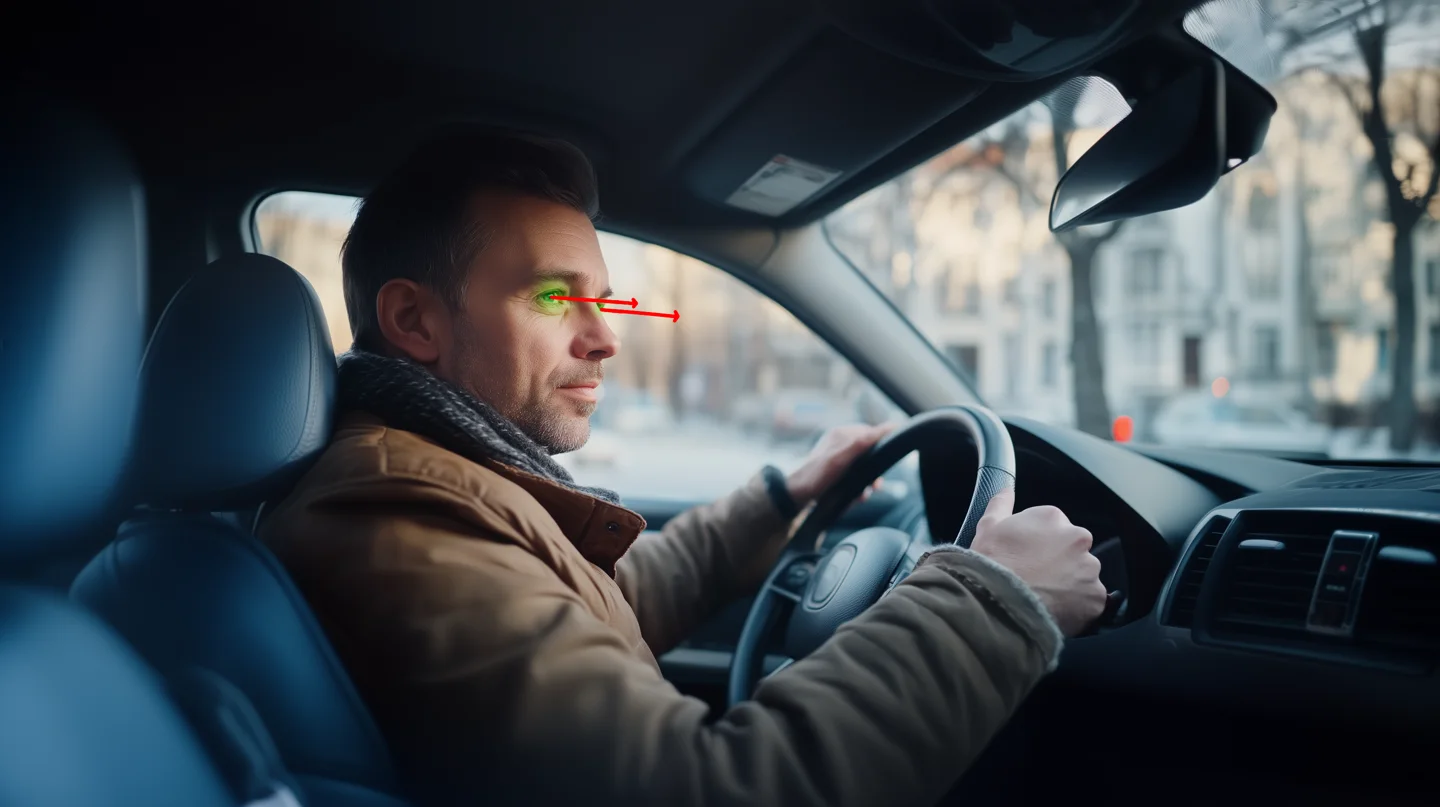
Facial and eye tracking
Facial and eye tracking can capture movement and gaze information for digital characters and interface research. Hardware, calibration, consent and test conditions determine what can be recorded. This production capability should not be treated as a certified driver-monitoring or fatigue-detection system.
Motion capture for digital characters
Record a performer’s movement and translate it into animation for a digital character or interactive environment. Define the actions, character rig and target software before the session. For research, a subject specialist should establish the study method and interpret movement data.
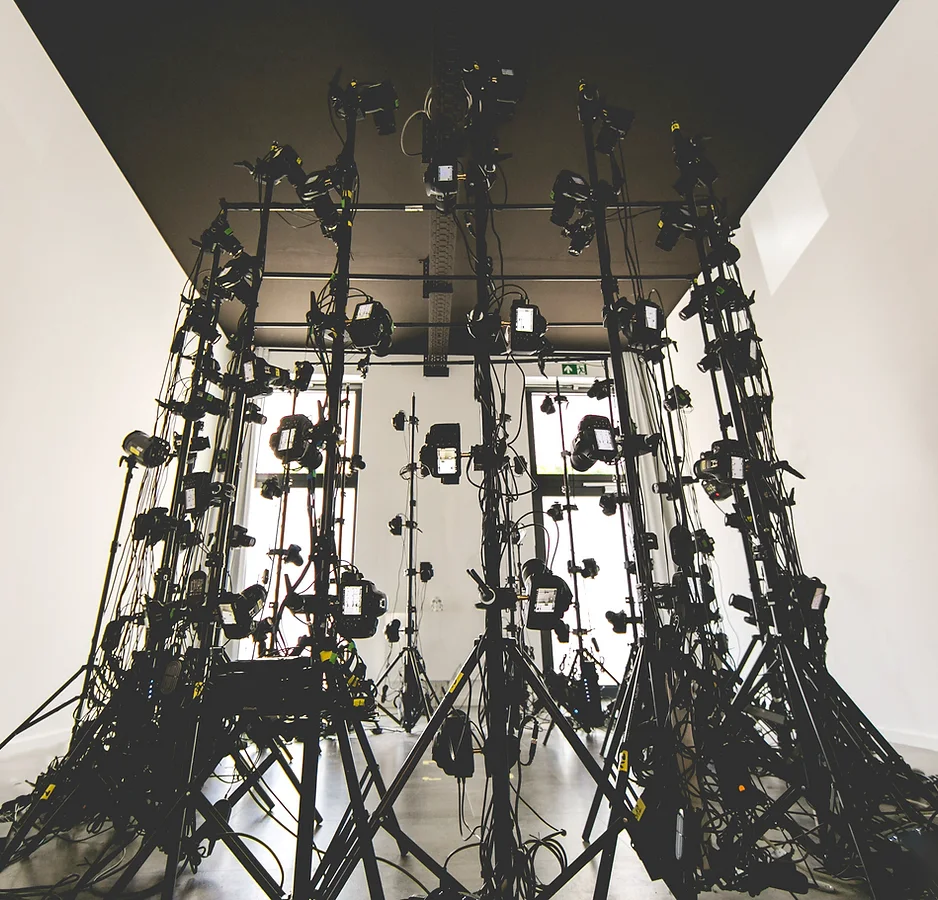
3D scanning for production assets
3D scanning captures the shape and surface detail of a person or object for a digital model. Agree the subject, required detail, permissions and output format before capture. Engineering tolerances and metrology requirements need separate specification and verification.
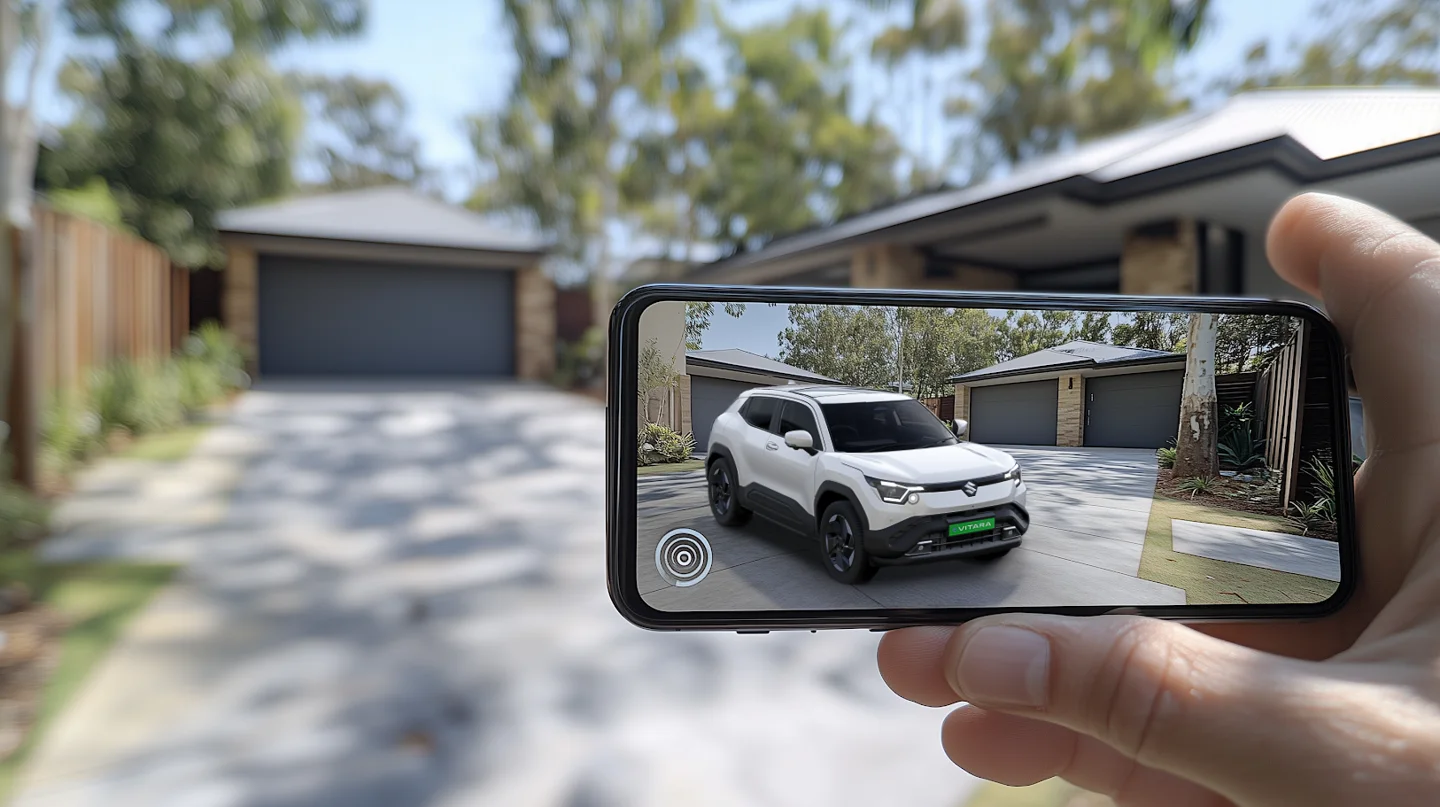
Augmented reality for vehicle experiences
AR places digital content within a camera view of the real environment. It can support a vehicle presentation, product explanation or guided demonstration. Define the target device, tracking method and physical setting so the experience can be tested where it will be used.
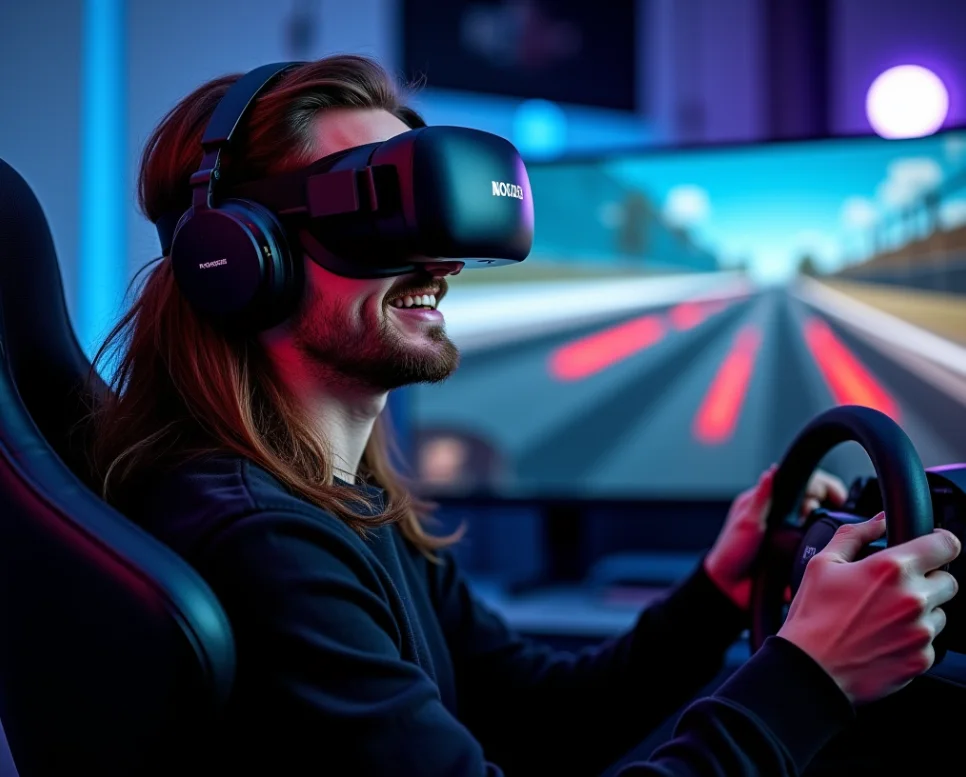
Virtual reality for transport experiences
VR provides an interactive 3D environment for demonstrations, design reviews and scoped training scenarios. Plan the headset, controls, session length and accessibility alternatives around the audience. Explore mobility simulation to define the environment and interactions; safety certification remains a separate process.
Move the experience forward.
Scroll to travel. Say hi to start a conversation.
Plan a more human journey.
Tell us who is travelling, what they need and where a digital experience could help.