Virtual driving simulation has become one of the most effective tools for preparing commercial drivers, fleet operators, and mobility teams for real-world challenges. Instead of relying only on classroom training, ride-along sessions, or limited on-road exercises, simulation places drivers inside realistic environments where they can practice safely, repeatedly, and without operational risk.
Modern transport systems face rising safety expectations, increasing traffic complexity, and high-pressure delivery timelines. Virtual simulation provides the level of preparation necessary to reduce mistakes, improve decision-making, and build confident, skilled drivers. When mobility organizations combine simulation with AI-driven analytics, performance scoring, and immersive learning, the result is a training system that produces better outcomes across entire fleets.
This article explains how virtual driving simulation strengthens fleet performance and why transportation companies are adopting simulation technology as a core safety and productivity tool.
Table of Contents
How does simulation improve driver judgment and decision-making?
Training for weather, visibility, and environmental challenges
What is a virtual driving simulation?
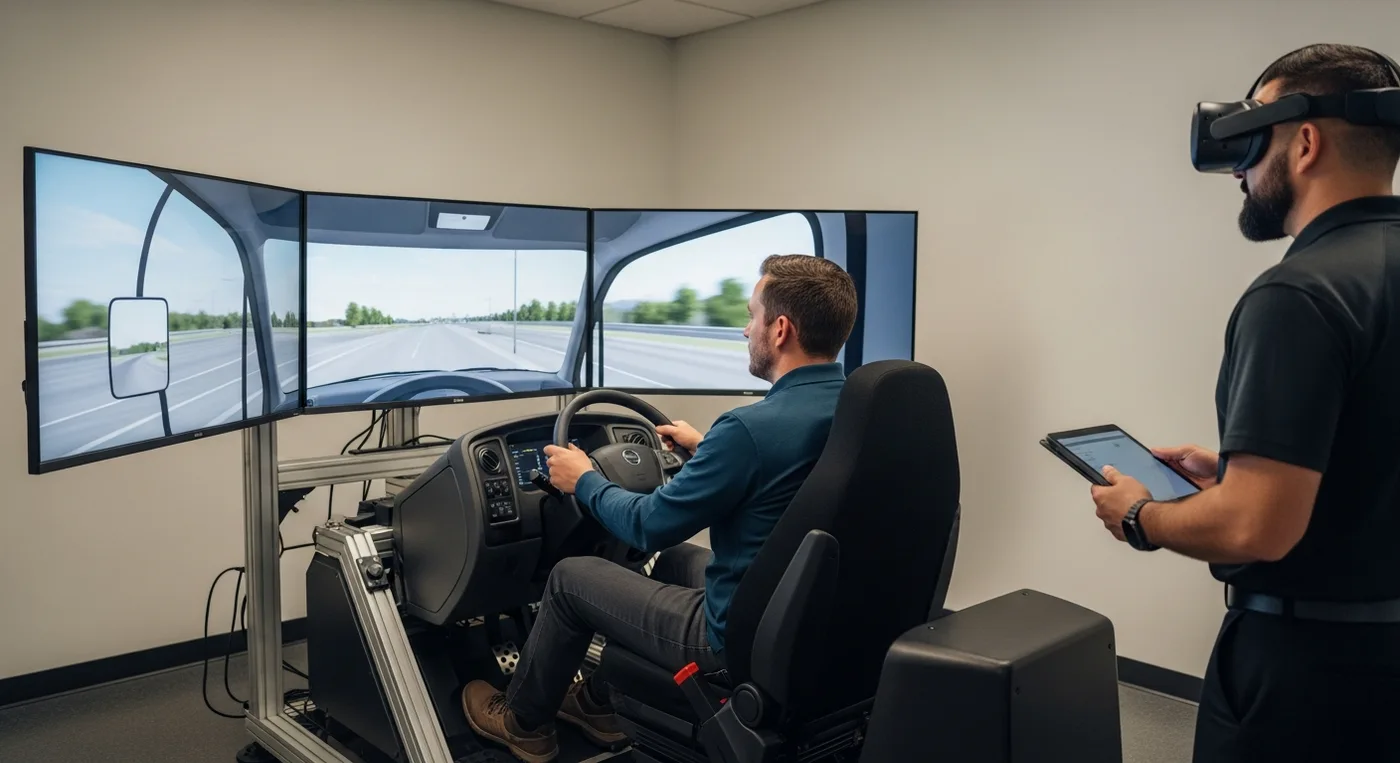
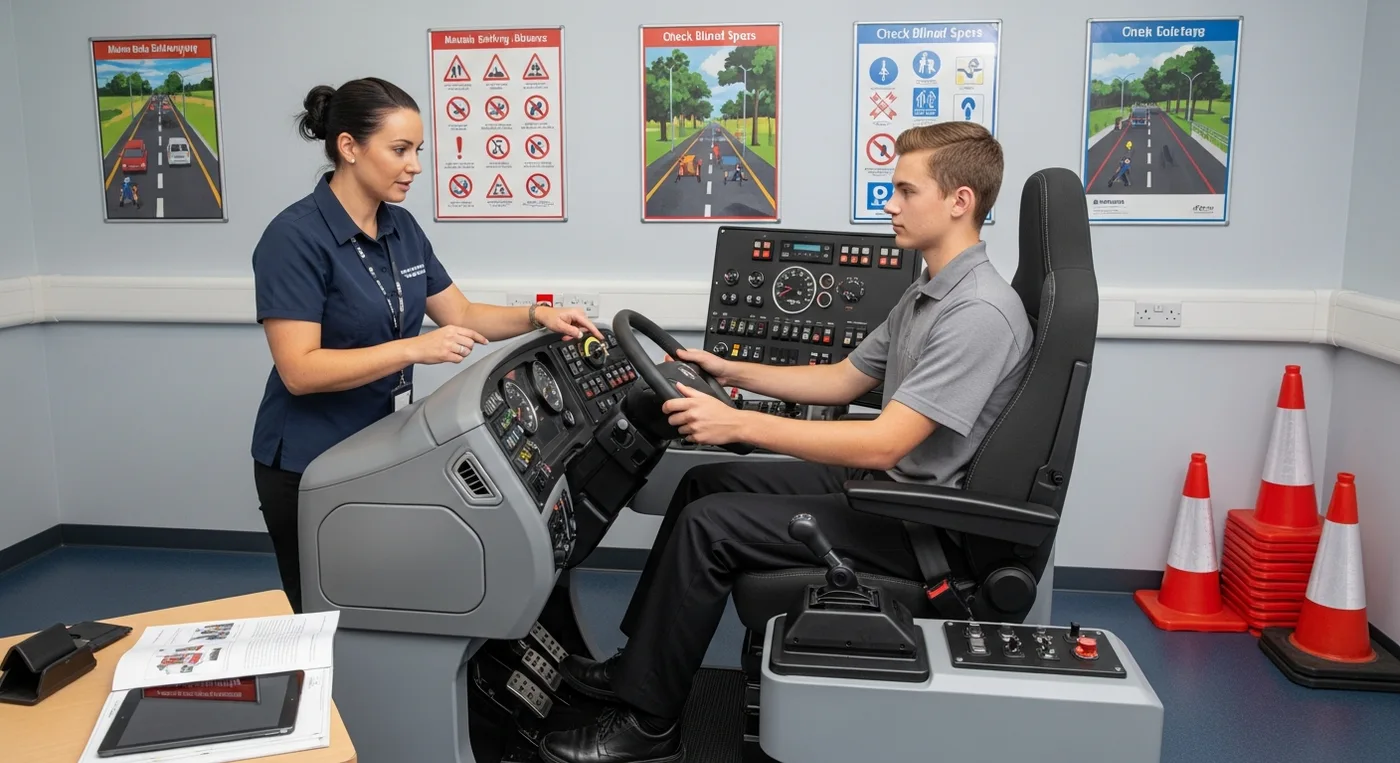
Virtual driving simulation places drivers inside a computer-generated driving environment that replicates real-world conditions. Drivers use a headset, display, or full simulator rig to interact with traffic, weather conditions, road hazards, and unpredictable scenarios.
Fleet training teams are beginning to integrate simulation into larger digital ecosystems connected to tools similar to those found in Mimic Mobility tech solutions.
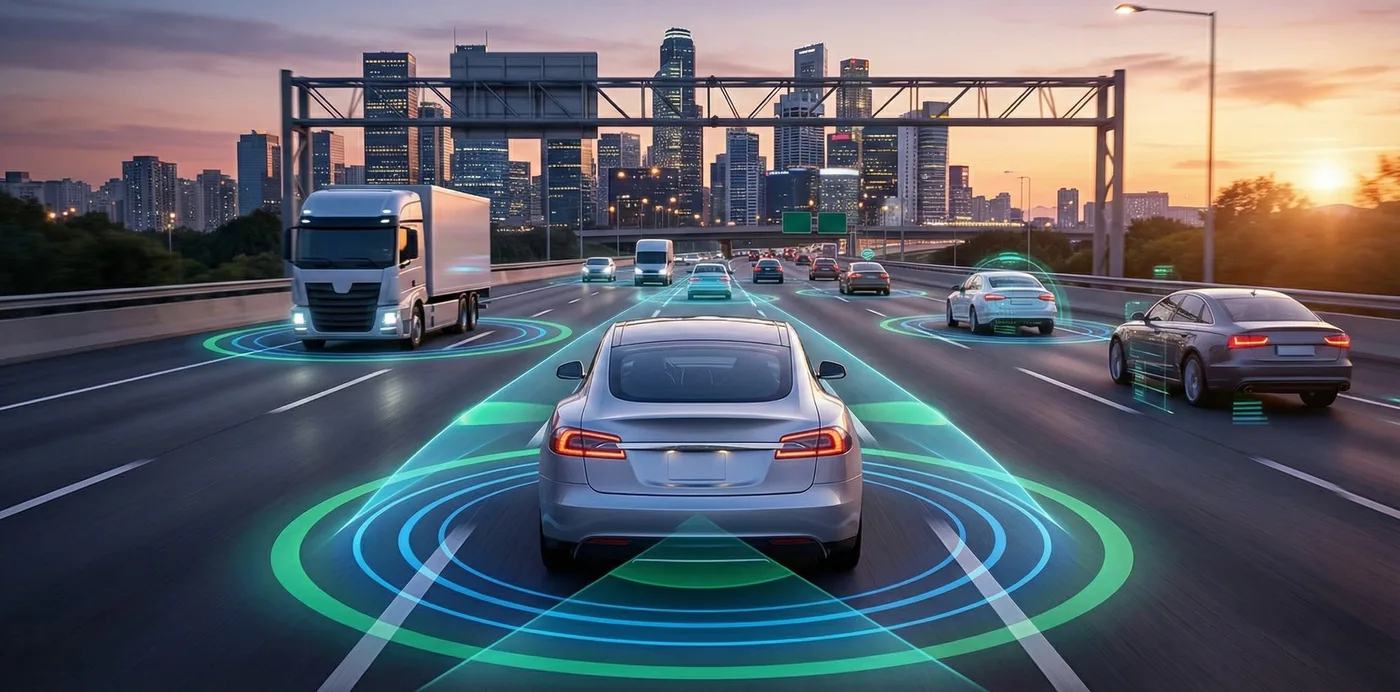
Simulation recreates situations that cannot easily be performed during actual driving, offering safer and more efficient practice.
Why do fleets rely on simulation for training?
Transportation companies face challenges such as:
rising incident rates
inconsistent driver skill levels
dangerous urban traffic
unpredictable road conditions
high vehicle repair costs
insurance pressure
complex regulatory compliance
Simulation addresses these by offering:
repeatable practice
risk free learning
measurable performance analytics
targeted scenario design
driver behavior correction
The outcome is a more skilled and more consistent workforce.
How does simulation improve driver judgment and decision-making?
Good driving depends on situational awareness and quick decisions. Virtual simulation strengthens these skills by creating realistic conditions that require active responses.
Drivers learn to:
identify hazards earlier
maintain safe following distances
interpret traffic behavior
respond to sudden changes
follow defensive driving techniques
manage multitasking safely
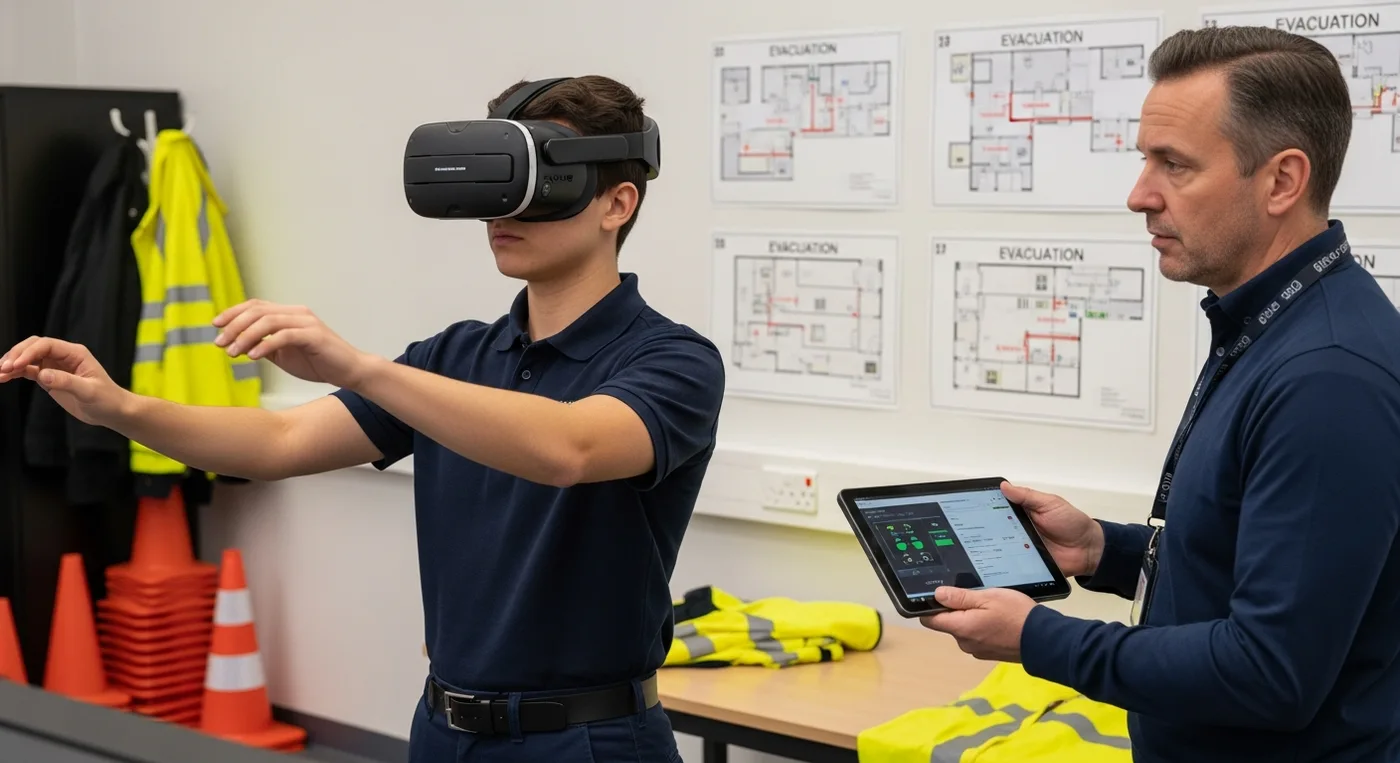
The immersive training style gives similar benefits to the emergency-focused simulations discussed in VR emergency response training for mobility teams.
Repeated exposure strengthens instincts and confidence.
Practicing hazardous scenarios safely
Some situations are too dangerous to practice on real roads. Simulation allows operators to train drivers for high-risk conditions without putting equipment or people at risk.
Simulation prepares drivers for:
sudden braking from vehicles ahead
side impact threats
nighttime driving
tunnel driving
sharp turns with reduced visibility
cargo imbalance
brake loss or mechanical issues
These realistic scenes improve readiness for actual road environments.
Simulation for new driver onboarding
New drivers often need additional guidance before handling real routes. Virtual simulation allows them to:
learn routes safely
become familiar with traffic flow
understand blind spots
practice parking maneuvers
learn lane placement
build familiarity with large vehicle turning radius
Simulation speeds up onboarding and reduces on road training time.
How does simulation help reduce roadway incidents?
Virtual training reduces incidents by developing better motor control, hazard detection, and response behaviors. Drivers with simulation experience show:
fewer collisions
better adherence to safety protocols
stronger fatigue management
improved speed control
more predictable driving patterns
Mobility teams also gain insight into risky habits that need correction before drivers enter real vehicles.
Training for weather, visibility, and environmental challenges
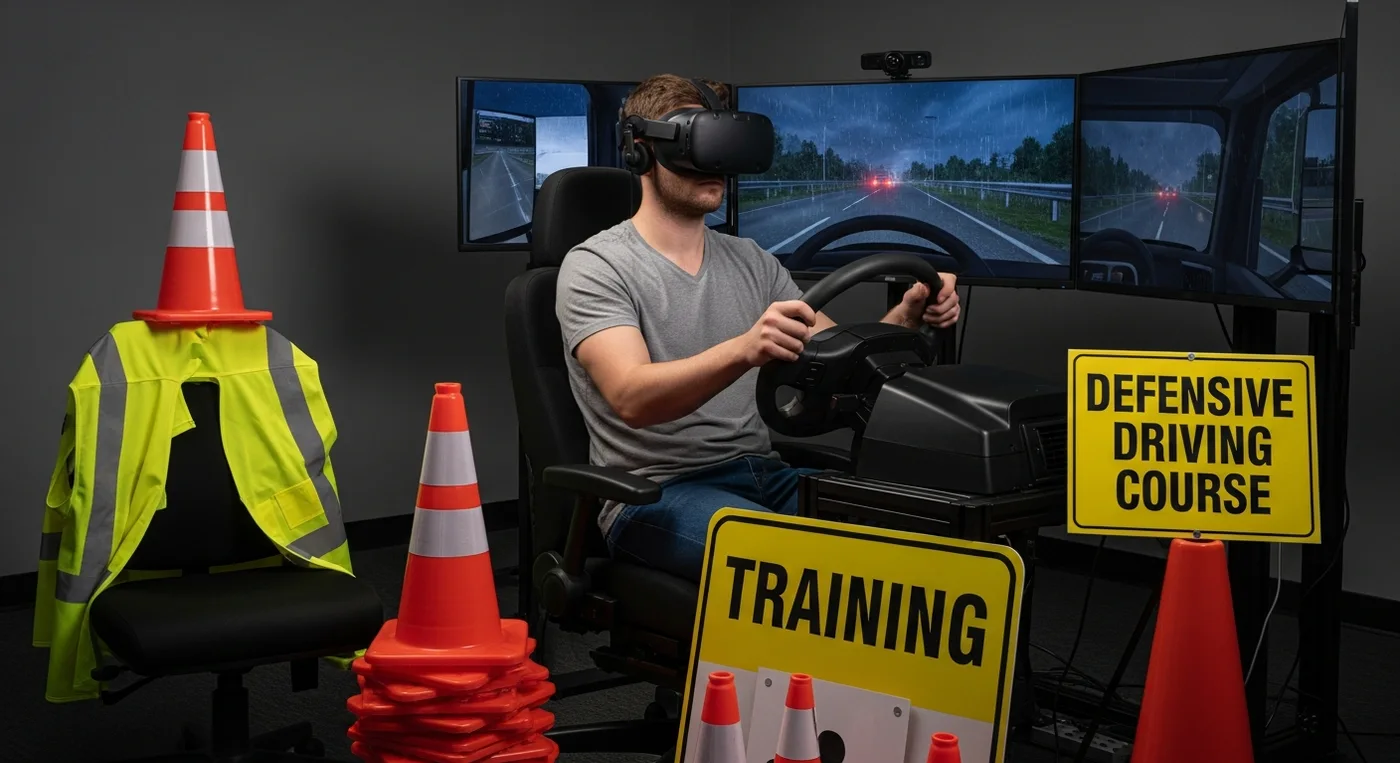
Simulation is uniquely effective for weather based scenarios because conditions can change instantly inside the training module.
Drivers can practice:
driving in rain, fog, and snow
reduced visibility scenarios
low traction environments
hydroplaning recovery
sun glare challenges
heavy wind stability
Weather practice helps fleets operate more safely year-round.
This complexity mirrors the environmental variation observed in 3D mobility simulation design, where high-detail scenes prepare drivers for diverse road challenges.
Integrating simulation with fleet analytics
Simulation becomes even more powerful when combined with data analytics.
Fleet managers can track:
reaction speed
braking consistency
cornering habits
hazard detection accuracy
attention patterns
fatigue indicators
compliance with route rules
Analytics highlight areas for improvement and help create personalized driver training plans. Simulation also supports predictive risk modeling.
Benefits for transportation companies
Virtual driving simulation improves fleet performance in several major ways.
Benefits include:
fewer incidents and claims
better prepared drivers
faster onboarding
reduced insurance pressure
lower maintenance costs
safer road behavior
consistent training standards
reduced operational downtime
Simulation becomes a strategic advantage for organizations managing large fleets.
Challenges to consider
Organizations should be aware of:
hardware requirements
training space needs
VR comfort issues for some drivers
ensuring simulation realism
keeping scenario libraries updated
onboarding staff to the technology
These challenges are easily managed with proper planning.
Conclusion
Virtual driving simulation has become one of the strongest training tools for transportation organizations. It helps drivers build stronger decision-making skills, respond to hazards with confidence, and rehearse situations that are impossible or unsafe to practice on real roads. By reducing incidents, improving consistency, and strengthening safety culture, simulation technology is reshaping how mobility companies prepare their fleets for daily operations.
Mimic Mobility supports fleets and operators with high-fidelity simulation tools that improve training quality and create safer, more predictable transport environments.
FAQs
1. What is virtual driving simulation used for?
It is used to train drivers in realistic, risk-free environments that prepare them for real road conditions.
2. Does simulation really improve driver safety?
Yes. It strengthens hazard recognition, control skills, and decision-making.
3. Can simulation train drivers for rare events?
Simulation can recreate dangerous and unusual situations safely.
4. Is simulation useful for new drivers?
Yes. It helps new drivers practice without risking vehicles or passengers.
5. Does simulation reduce fleet incidents?
Most organizations see a reduction in collisions and unsafe behavior.
6. Can simulation be combined with fleet analytics?
Yes. Performance data can guide individualized training plans.
7. Is virtual simulation cost-effective?
Training becomes faster, safer, and cheaper compared to repeated on-road practice.
8. Will simulation replace on-road training?
No. It supports and enhances real-world training but does not replace it.