AI kiosks are quickly becoming one of the most important touchpoints in transportation hubs. Airports, train stations, metro terminals, and urban mobility centers depend on speed, clarity, automation, and safety. AI-powered kiosks meet all of these needs by offering real-time routing information, automated support, passenger personalization, crowd guidance, and fast decision-making that reduces waiting times and operational pressure on human staff.
As transportation systems grow more complex, mobility hubs must deliver quick service to thousands of travelers with diverse needs. AI kiosks help streamline journeys while supporting staff with intelligent automation. They have become a natural extension of the connected mobility trend that includes simulation tools, predictive routing systems, and immersive interfaces, similar in scope to the ideas explored inside AI in transportation workflows available at.
This article highlights why AI kiosks matter, how they improve efficiency inside mobility hubs, and what role they play in the future of transportation.
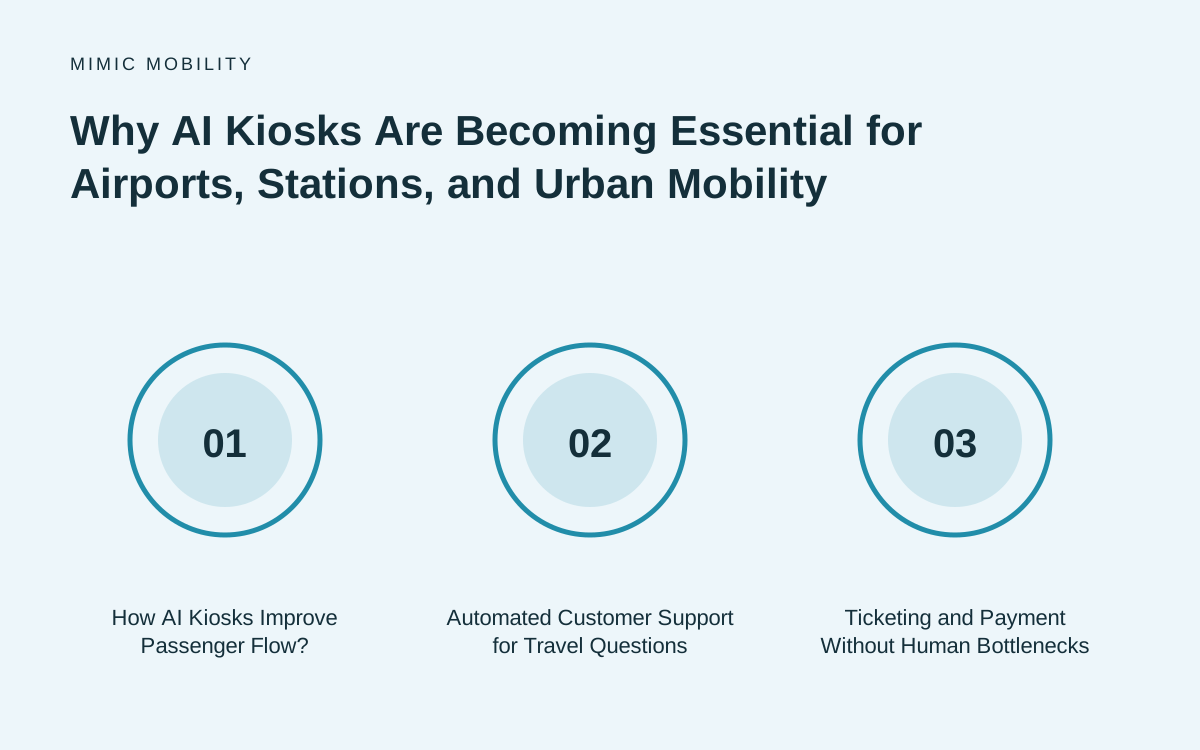
How AI Kiosks Improve Passenger Flow?
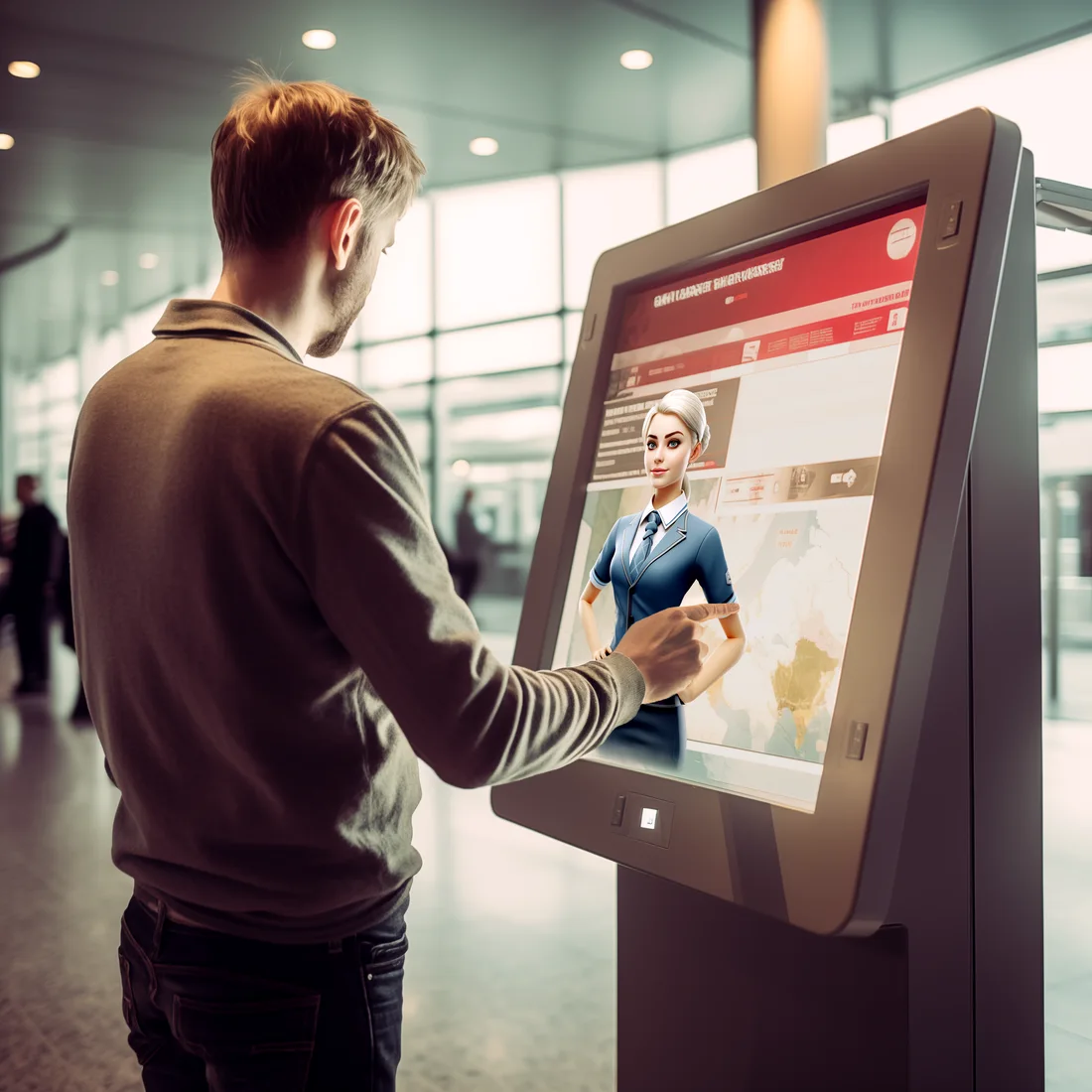
Transportation hubs rely on fast and accurate information flow. AI kiosks serve as intelligent service points that offer instant answers, route planning, and travel assistance without the need for human operators.
Key improvements include:
Real time departure and arrival updates
Automated rerouting suggestions
Digital queue management
Smart signage that adapts to crowd flow
Self service ticket purchasing
These kiosks adapt to the needs of each traveler, reducing confusion, hesitation, and delays during high traffic periods.
Automated Customer Support for Travel Questions
Travelers often have quick questions that do not require human staff. AI kiosks answer these instantly with natural language understanding.
Examples of support tasks:
Gate or platform guidance
Luggage restrictions
Connection assistance
Local transportation options
Hotel and mobility recommendations
This conversational ability is supported by technologies similar to the AI avatar systems, which focus on natural interaction and real-time decision support.
Ticketing and Payment Without Human Bottlenecks
AI kiosks automate the most common transactions inside transportation hubs.
They assist with:
Ticket purchases
Upgrade requests
Seat selection
Multi-route planning
Payment processing
Integration with digital wallets
By placing these services into intelligent kiosks, mobility centers reduce lines, staffing requirements, and manual processing delays.
Personalized Route Planning and Multi-Modal Guidance
Modern travel rarely involves a single mode of transportation kiosks unify navigation across:
trains
buses
metros
rideshare
e scooters
bikes
ferries
Travelers receive multi-modal journey planning that updates automatically based on time, congestion, or delays. This mirrors the adaptive intelligence described in Mimic Mobility tech, where real-time connected systems optimize transportation workflows.
Crowd Management and Safety Alerts
Mobility centers often struggle with:
congestion
weather interruptions
operational delays
security concerns
AI kiosks communicate structured guidance immediately. They distribute safety instructions, guide foot traffic, and update travelers in real time when circumstances change.
This reduces crowd stress and improves mobility flow throughout terminals.
Multilingual Assistance for Global Travelers
Airports and major terminals serve international passengers with different languages. AI kiosks provide support in dozens of languages with reliable translation tools.
This ensures equal access to information and decreases pressure on staff to handle multilingual demands.
Accessibility Features for Inclusive Mobility
AI kiosks support passengers with specific mobility needs.
Accessibility tools include:
Voice interaction
Screen magnification
Visual contrast modes
Step by step audio instructions
Integration with mobility aid routes
These features ensure that every traveler receives the support they need without complications.

Integration With Digital Twins for Facility Awareness
Digital twin technology allows operators to visualize the entire terminal in real time.AI kiosks can pull information from digital twins to provide:
live congestion updates
best walking paths
fastest escalator or elevator access
gate change notifications
emergency pathway routing
Advertising and Revenue Opportunities for Mobility Operators
AI kiosks are also used for targeted advertising and contextual promotional messages. Since they understand passenger location, time of day, and travel intent, they can surface:
local services
transit passes
airport lounge offers
food and beverage options
nearby hotels
entertainment recommendations
The same principles support mobility-based advertising for different companies and businesses.
Security and Compliance Automation
Airports and transit hubs must follow strict regulations.AI kiosks support:
automated ID verification
luggage screening reminders
customs information
safety protocol guidance
compliance alerts
This helps passengers follow required procedures without confusion.
Why AI Kiosks Are Becoming Essentials, Not Extras?
Across airports and mobility centers, AI kiosks solve real operational challenges.
They deliver:
Faster passenger processing
Lower staffing strain
More consistent service quality
Better customer flow
Higher satisfaction
Operational cost reduction
Their growing adoption shows that AI driven service points are transitioning from convenience tools to core infrastructure inside mobility ecosystems.
Conclusion
AI kiosks are transforming transportation hubs by providing faster information, personalized assistance, and intelligent automation for daily travel needs. From automated ticketing to emergency alerts, multilingual communication, and digital twin integration, AI kiosks improve both safety and efficiency. They help mobility operators serve thousands of passengers at scale while keeping operations predictable and organized.
With expertise in simulation, AI systems, and immersive mobility technologies, Mimic Mobility supports transportation hubs looking to adopt next generation AI kiosk systems for smarter and more seamless passenger experiences.
FAQs
1. What makes AI kiosks important for airports and stations?
They provide fast support, automate ticketing, and improve crowd management.
2. Can AI kiosks replace human staff?
They reduce the workload of staff by handling common questions and tasks, but humans remain essential.
3. Do AI kiosks improve last mile delivery operations?
They support planning and routing, especially when connected to intelligent systems.
4. Can AI kiosks guide travelers during delays?
Yes, they provide instant rerouting, alerts, and new connection information.
5. Are AI kiosks accessible for elderly or disabled passengers?
Yes, they include visual, audio, and mobility friendly features.
6. Do AI kiosks support multiple languages?
They offer multilingual assistance for international passengers.
7. How do AI kiosks connect with digital twins?
Kiosks use live spatial data to provide real time facility guidance.
8. Will AI kiosks become standard in all mobility hubs?
Most large transportation centers are already adopting them and adoption will continue to grow.