AI avatars in mobility are moving from futuristic concept to practical interface. For transit operators, airports, automotive brands, ride services, and smart-city teams, digital humans can answer questions, guide journeys, explain disruptions, personalize vehicles, and create a calmer passenger experience at scale.
The value is not just novelty. When AI avatars are designed with accurate information, strong visual character, multilingual conversation, and clear handoff rules, they reduce service pressure while making technology feel more human. That is where Mimic Mobility's mix of digital humans, conversational AI, 3D simulation, and immersive technology becomes especially relevant.
This guide explains how AI avatars can support safer, smarter passenger experiences and what mobility organizations should plan before adopting them.
Table of Contents
Why AI avatars fit modern mobility
Mobility is full of moments where people need answers quickly: Which gate changed? Why is the train delayed? How do I rebook? Where is the ride pickup point? What does this dashboard alert mean? A static screen can display information, but it rarely reduces uncertainty. A well-designed AI avatar can explain, reassure, and guide action in a conversational way.
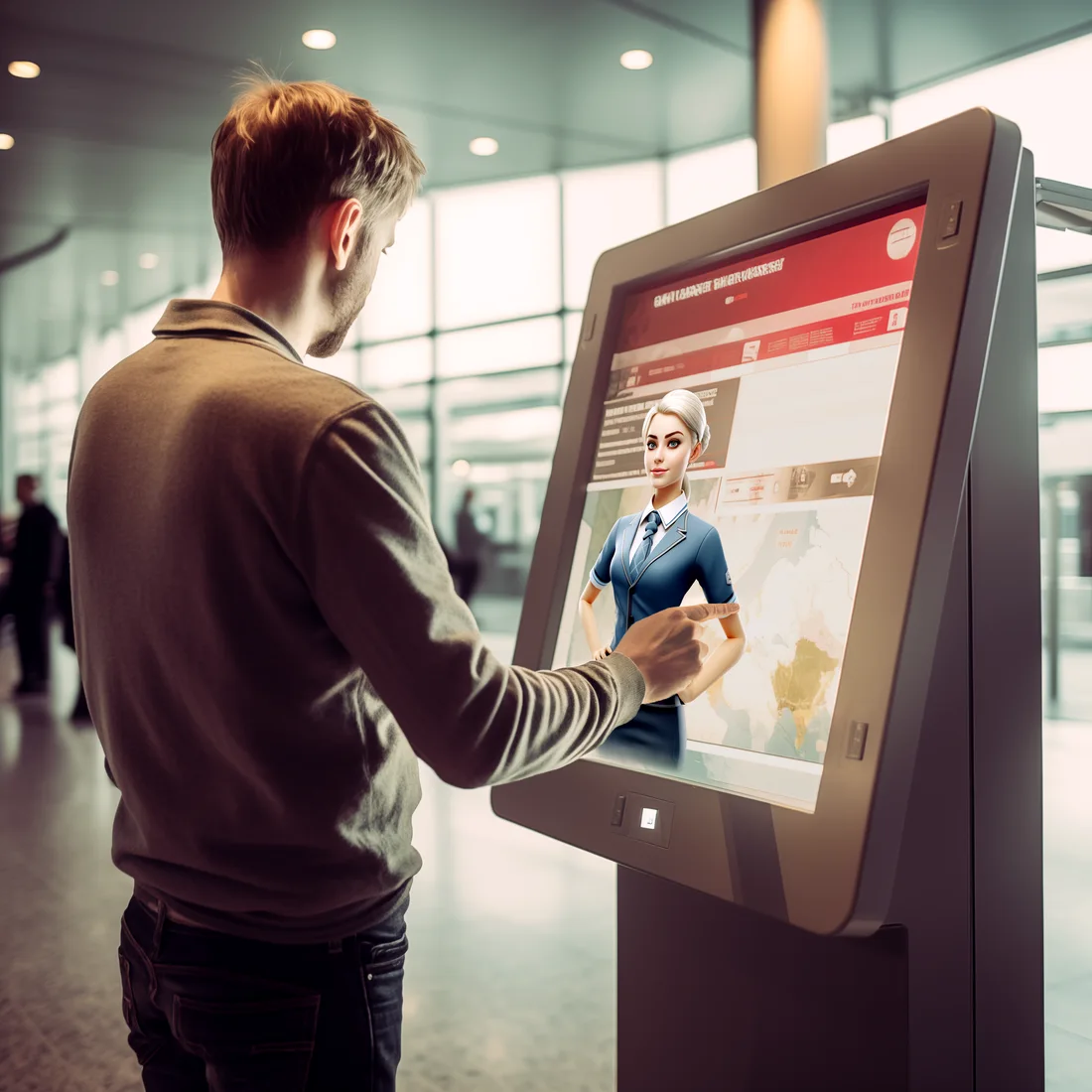
This is why conversational interfaces are becoming central to smart mobility solutions. Mimic Mobility's AI avatar services are built for vehicles, stations, public transport environments, and branded mobility experiences where guidance must feel immediate and trustworthy.
AI avatars vs traditional passenger support
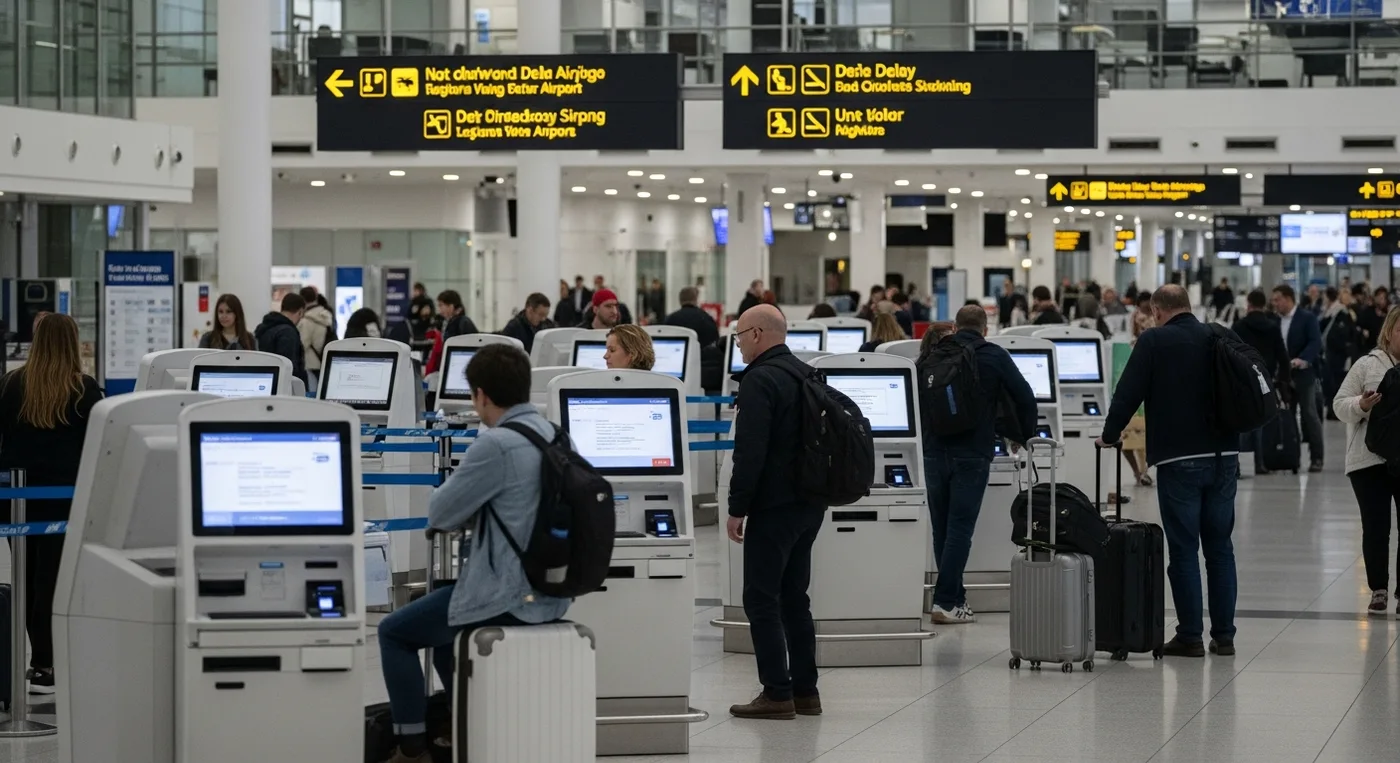
AI avatars should not replace every human interaction. Their strength is handling repeatable, high-volume support needs while escalating complex or sensitive issues to staff. The comparison is practical: operators need a blended service model that combines automation, visible guidance, and human judgment.
Static signs: useful for fixed directions, weaker for personalized updates or multilingual support.
Mobile apps: strong for self-service, but only if passengers download, open, and understand the app.
Human desks: essential for high-empathy support, but expensive to scale during delays or peak traffic.
AI avatars: best for interactive answers, branded service, multilingual guidance, and consistent 24/7 support.
Benefits for operators, brands, and passengers
The strongest AI avatar programs create value on both sides of the journey. Passengers get faster answers, clearer guidance, and a more welcoming experience. Operators gain a scalable support layer that reduces repetitive questions and helps teams focus on exceptions.
Faster passenger support across vehicles, terminals, kiosks, apps, and service desks.
More consistent answers for ticketing, routing, delays, rebooking, and safety instructions.
Stronger brand presence through custom digital characters and emotionally aware interaction.
Better accessibility through voice, visual expression, multilingual communication, and calm instructions.
For automotive and transit brands, these benefits also connect naturally with immersive mobility advertising because the same digital character can educate, support, and represent the brand across campaigns and service touchpoints.
Use cases across mobility environments
AI avatars work best when the use case is specific. A digital assistant in a vehicle has different needs than a terminal kiosk, an airport disruption assistant, or an automotive brand ambassador. The design should follow the passenger context.
Public transit: ticketing help, platform guidance, route updates, accessibility support, and emergency communication.
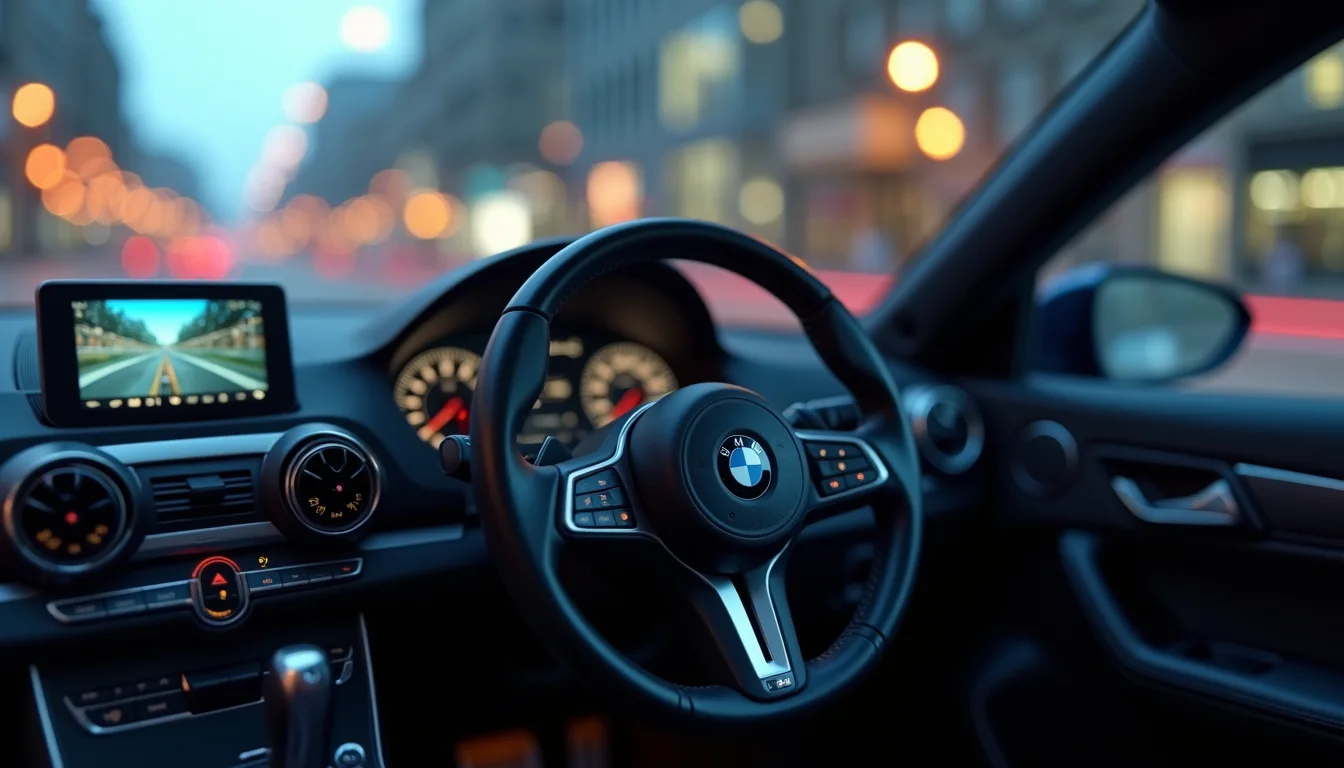
Automotive interiors: personalized settings, feature education, diagnostics, navigation, and infotainment control.
Airports and mobility hubs: rebooking guidance, queue reduction, multilingual wayfinding, and disruption management.
Showrooms and launches: digital product specialists that explain smart vehicle features and create memorable experiences.

Customer journey: where avatars add value
A passenger journey is not a single interaction. It includes planning, arrival, boarding, travel, disruption handling, and follow-up. AI avatars can support each stage when content and systems are mapped correctly.
Discovery: explain services, schedules, accessibility options, fares, and booking choices.
Arrival: guide passengers to platforms, gates, pickup zones, kiosks, or service counters.
During travel: personalize updates, vehicle settings, safety prompts, and connection information.
Disruption: provide calm explanations, alternatives, rebooking steps, and staff handoff when needed.
Retention: collect feedback, recommend support channels, and maintain a consistent brand voice.
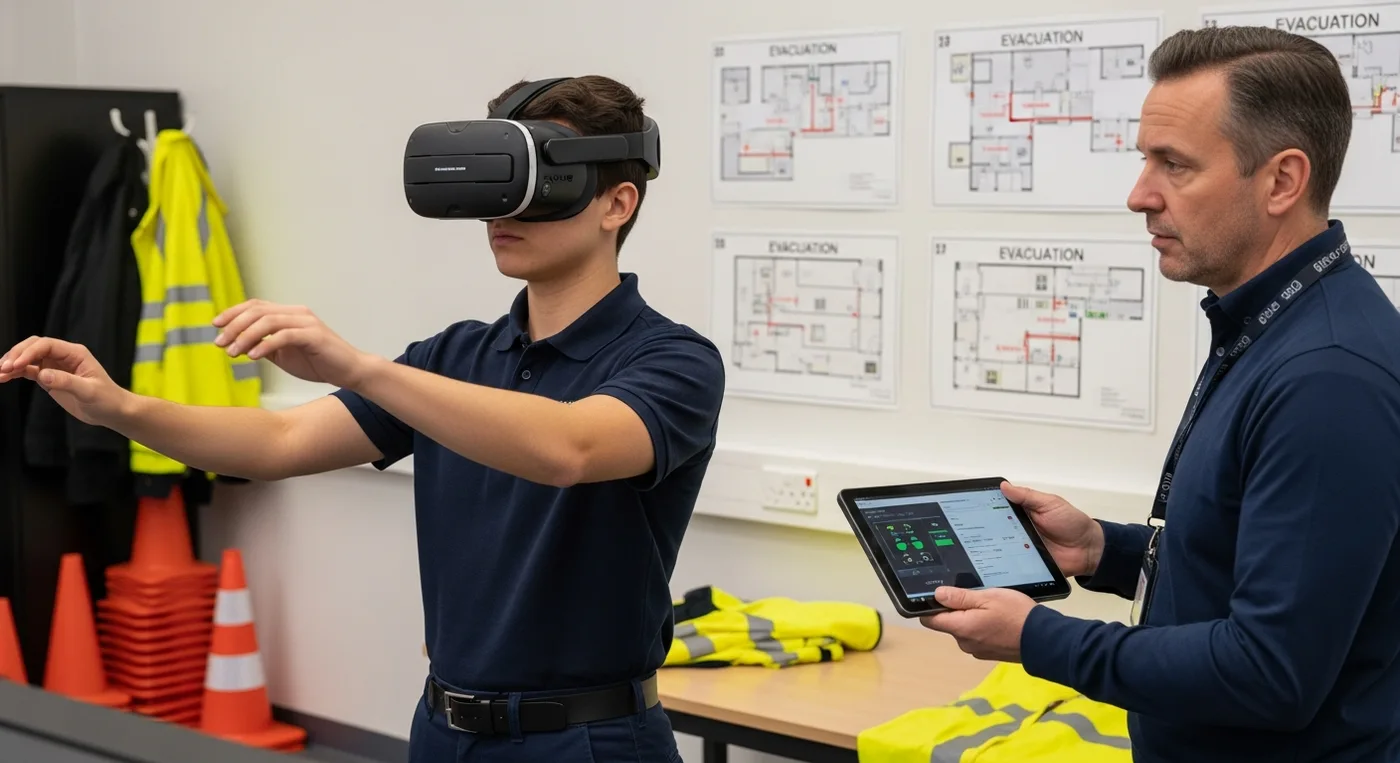
This customer journey approach connects with Mimic Mobility's work in 3D simulations for mobility, where teams can test environments and passenger interactions before real-world deployment.
Data and integration checklist
The avatar is only as useful as the information it can safely access. Before launch, teams should identify the data sources, ownership, update frequency, and escalation paths behind every answer.
Knowledge base: policies, routes, fares, vehicle features, brand tone, and support scripts.
Live systems: schedules, vehicle status, ticketing, weather, traffic, facility updates, and disruption alerts.
Customer context: language preference, accessibility needs, account state, booking details, and consent status.
Escalation logic: what the avatar can solve, when it must hand off, and how staff receive context.
Implementation plan for AI avatars in mobility
A strong rollout starts with one high-value use case, then expands. Trying to launch every possible scenario at once usually creates messy knowledge, weak analytics, and poor user trust.
Define the passenger problem: delays, ticketing, onboarding, vehicle personalization, wayfinding, or customer support.
Design the avatar character, voice, language coverage, expression range, and brand personality.
Connect approved data sources and test answer accuracy in realistic mobility scenarios.
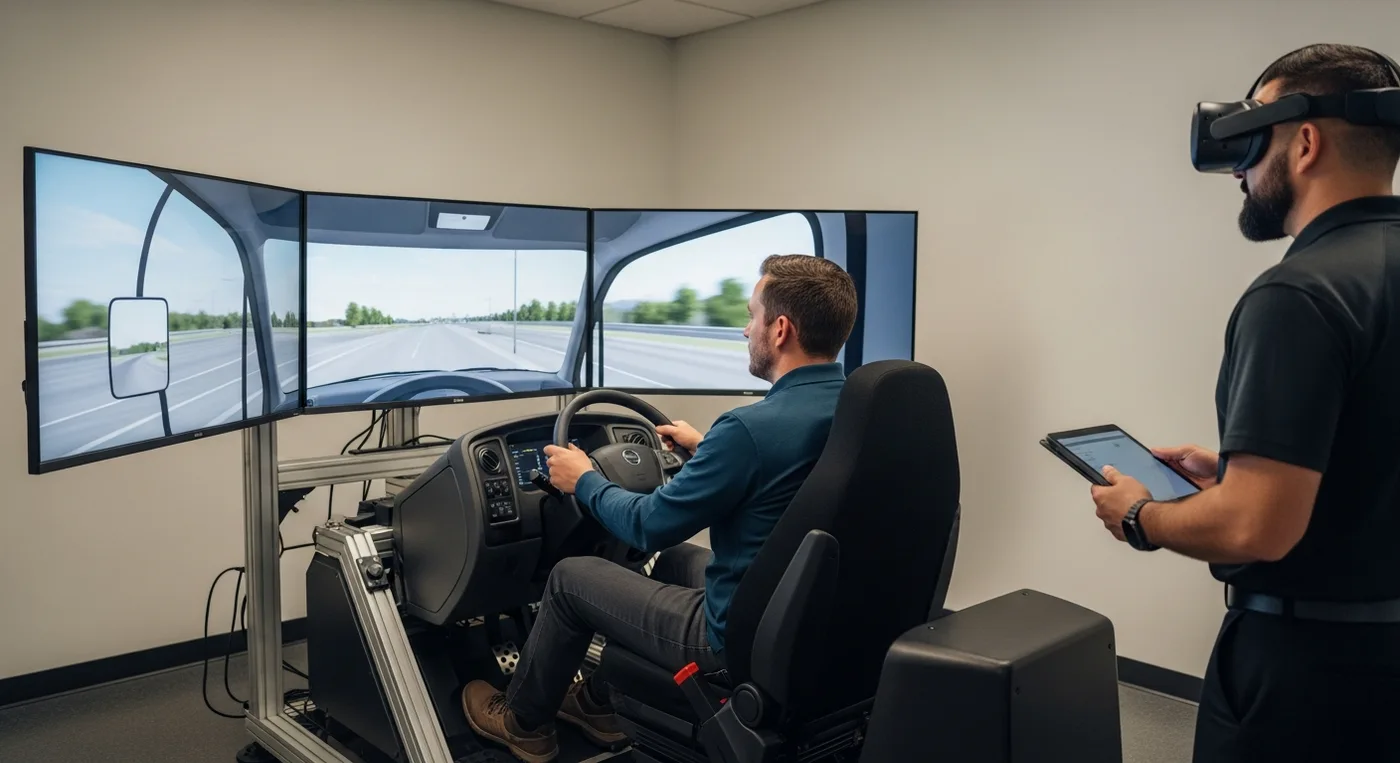
Run pilots in controlled environments using simulation, staff feedback, and passenger testing.
Scale across vehicles, kiosks, apps, service counters, and campaigns once results are measurable.
Mistakes to avoid
AI avatars become frustrating when they look impressive but cannot solve real problems. In mobility, a poor answer at the wrong moment can increase stress, so planning matters.
Launching without a clear handoff to human support for sensitive, safety, or account-specific issues.
Using a generic avatar that does not fit the brand, setting, passenger culture, or language needs.
Connecting inaccurate or outdated operational data, then expecting passengers to trust the system.
Ignoring accessibility, privacy, signage, and physical placement in stations or vehicles.
KPIs to measure success
AI avatars should be measured like operational tools, not just creative experiments. The right metrics depend on the deployment environment, but most mobility teams should track service, safety, satisfaction, and efficiency.
Passenger support: resolution rate, repeated questions, escalation rate, and average response time.
Experience: satisfaction score, language coverage, accessibility feedback, and sentiment after disruptions.
Operations: staff workload reduction, queue reduction, fewer avoidable desk interactions, and faster rebooking.
Brand impact: engagement time, campaign recall, showroom conversion support, and follow-up actions.

Privacy and responsible AI
Mobility systems may involve account data, location context, accessibility needs, payment status, safety instructions, and real-time operational events. Responsible AI must be part of the design from day one.
Collect only the data required for the task and clearly explain when personalization is active.
Use approved content sources and guardrails so safety, ticketing, and disruption answers remain accurate.
Provide human escalation for medical, emergency, legal, payment, identity, or complaint scenarios.
Review logs for bias, repeated failure points, language gaps, and passenger confusion.
Future trends
The next generation of AI avatars in mobility will be more spatial, proactive, and connected to real-time environments. Instead of only answering questions, avatars will help passengers anticipate problems, understand alternatives, and interact with mobility systems through natural conversation.
Real-time 3D avatars in vehicles, terminals, AR displays, and mixed-reality training spaces.
Personalized in-vehicle assistants that adapt to comfort, route context, entertainment, and safety needs.
Digital twins that let teams test passenger flows, signage, emergency communication, and service behavior before launch.
Branded mobility companions that combine customer service, education, accessibility, and campaign storytelling.
FAQ
1. What are AI avatars in mobility?
They are digital human assistants used in vehicles, stations, kiosks, apps, and mobility hubs to guide passengers, answer questions, personalize experiences, and support operations.
2. How do AI avatars help public transit operators?
They can reduce repetitive service questions, provide multilingual route updates, explain delays, support ticketing, and guide passengers through busy stations or service changes.
3. Can AI avatars work inside vehicles?
Yes. In vehicles, avatars can explain features, adjust preferences, support navigation, answer safety questions, and create a more personalized passenger or driver experience.
4. Are AI avatars useful during delays or disruptions?
Yes. They can provide calm explanations, alternative routes, rebooking steps, accessibility guidance, and staff escalation during high-pressure situations.
5. What data do mobility AI avatars need?
They usually need approved service knowledge, schedule or route data, ticketing rules, disruption feeds, brand guidelines, language settings, and escalation workflows.
6. Can AI avatars improve accessibility?
They can support accessibility when designed with multilingual conversation, voice interaction, clear visual expression, simple instructions, and alternative support paths.
7. How should success be measured?
Measure resolution rate, response time, passenger satisfaction, escalation quality, queue reduction, staff workload reduction, and accuracy during disruptions.
8. Do AI avatars replace human staff?
No. The strongest deployments use AI avatars for repeatable support and simple guidance while keeping human staff available for complex, sensitive, or safety-critical situations.
Conclusion
AI avatars in mobility are most powerful when they make travel easier, not just more digital. They can reduce confusion, scale support, personalize vehicle experiences, and help operators communicate with passengers in a warmer and more consistent way.
For teams exploring AI passenger support, public transit assistants, in-vehicle personalization, or branded mobility experiences, Mimic Mobility can help design realistic AI avatars, 3D simulations, and immersive service experiences built for modern transportation.