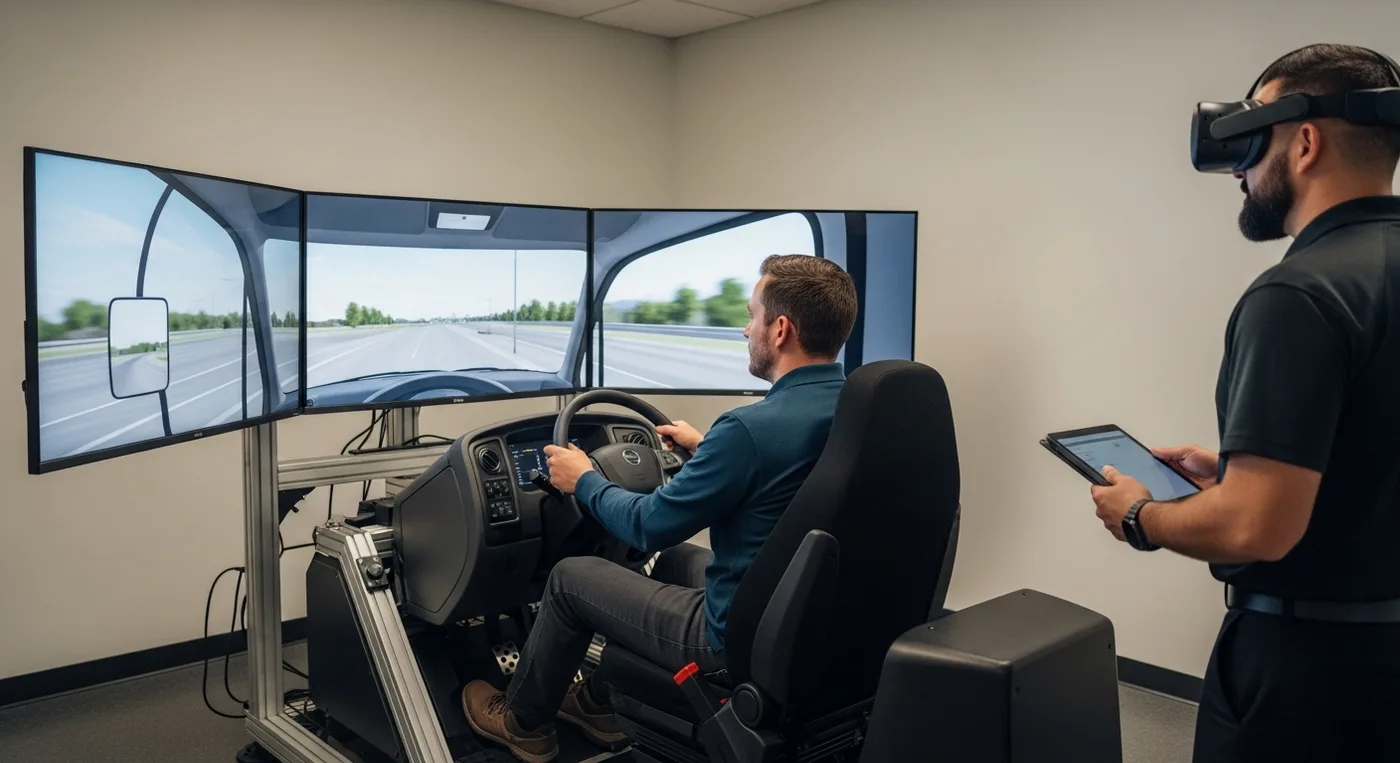

What is hardware-in-the-loop testing, and why do automotive teams use a simulated vehicle around real control hardware?
What is hardware-in-the-loop testing is best understood as a practical production question. The answer depends on the goal, the quality of the input, and the evidence needed at delivery. This guide explains the process for automotive engineers, validation teams, mobility product leaders, suppliers, and technical programme managers without treating software or equipment as a substitute for planning.
The useful outcome is repeatable evidence that real control hardware behaves correctly when connected to simulated vehicles, sensors, roads, traffic, faults, and environmental conditions. The following sections cover the core workflow, the decisions that change cost and quality, and the checks that prevent avoidable revisions. For related examples and services, explore Mimic Mobility and its current project guidance.
Table of Contents
What Is Hardware-in-the-Loop Testing?
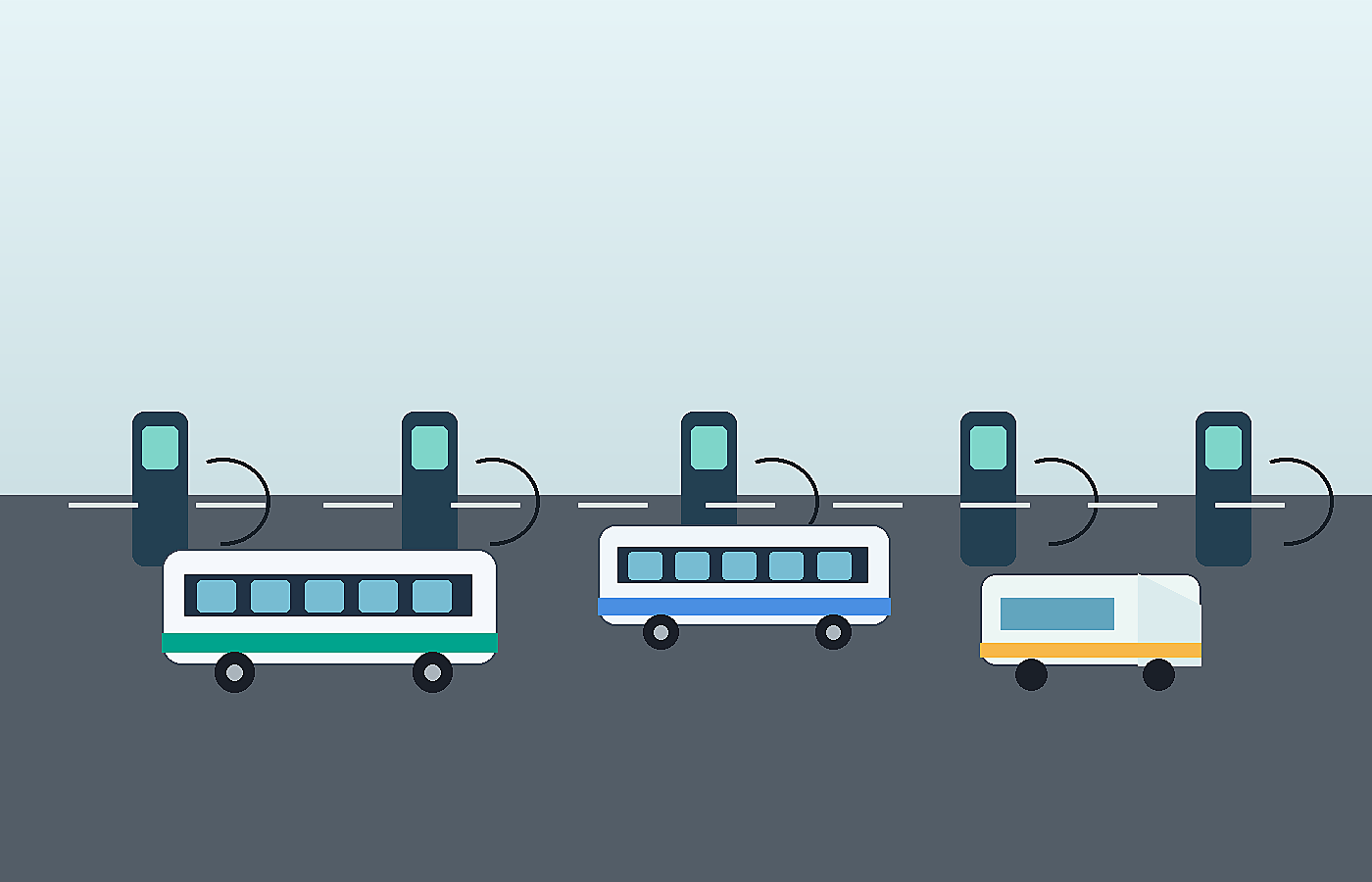
What Is Hardware-in-the-Loop Testing? starts with the job the work must do. For automotive engineers, validation teams, mobility product leaders, suppliers, and technical programme managers, that means defining the decision, behaviour, or visible result before choosing tools. In automotive hardware-in-the-loop testing, the practical scope includes real controllers, real-time simulation, electrical interfaces, plant models, I/O, and how the closed loop reproduces vehicle behaviour. Each part should connect to a requirement that can be reviewed, not a vague request for a more advanced or more impressive result.
A reliable workflow separates inputs, working assumptions, production steps, and review evidence. The team records what came from the client, what was measured or observed, what was created, and which checks support approval. This structure makes revisions easier to diagnose. It also lets another artist, engineer, teacher, or producer understand why a choice was made instead of repeating the work from the beginning.
The common failure is to optimise one visible detail while ignoring the system around it. A polished output can still fail when timing, scale, continuity, context, accessibility, or delivery requirements are wrong. Teams should test the work in the environment where it will be used, record specific problems, and assign fixes to the right stage. Late cosmetic changes cannot repair a weak brief or missing source information. See a related Mimic Mobility guide for a connected production example.
For planning, turn this section into a short checklist: confirm the intended user, list the source material, name the owner of each approval, define the output format, and agree on one test that would reveal a bad result. Review early samples before scaling the process. This protects the schedule and keeps effort focused on repeatable evidence that real control hardware behaves correctly when connected to simulated vehicles, sensors, roads, traffic, faults, and environmental conditions.
How Does an Automotive HIL Test Work?

How Does an Automotive HIL Test Work? starts with the job the work must do. For automotive engineers, validation teams, mobility product leaders, suppliers, and technical programme managers, that means defining the decision, behaviour, or visible result before choosing tools. In automotive hardware-in-the-loop testing, the practical scope includes test cases, model execution, signal injection, commands, feedback, logging, verdicts, and controlled reset between runs. Each part should connect to a requirement that can be reviewed, not a vague request for a more advanced or more impressive result.
A reliable workflow separates inputs, working assumptions, production steps, and review evidence. The team records what came from the client, what was measured or observed, what was created, and which checks support approval. This structure makes revisions easier to diagnose. It also lets another artist, engineer, teacher, or producer understand why a choice was made instead of repeating the work from the beginning.
The common failure is to optimise one visible detail while ignoring the system around it. A polished output can still fail when timing, scale, continuity, context, accessibility, or delivery requirements are wrong. Teams should test the work in the environment where it will be used, record specific problems, and assign fixes to the right stage. Late cosmetic changes cannot repair a weak brief or missing source information. See a related Mimic Mobility guide for a connected production example.
For planning, turn this section into a short checklist: confirm the intended user, list the source material, name the owner of each approval, define the output format, and agree on one test that would reveal a bad result. Review early samples before scaling the process. This protects the schedule and keeps effort focused on repeatable evidence that real control hardware behaves correctly when connected to simulated vehicles, sensors, roads, traffic, faults, and environmental conditions.
What Can Hardware-in-the-Loop Testing Validate?
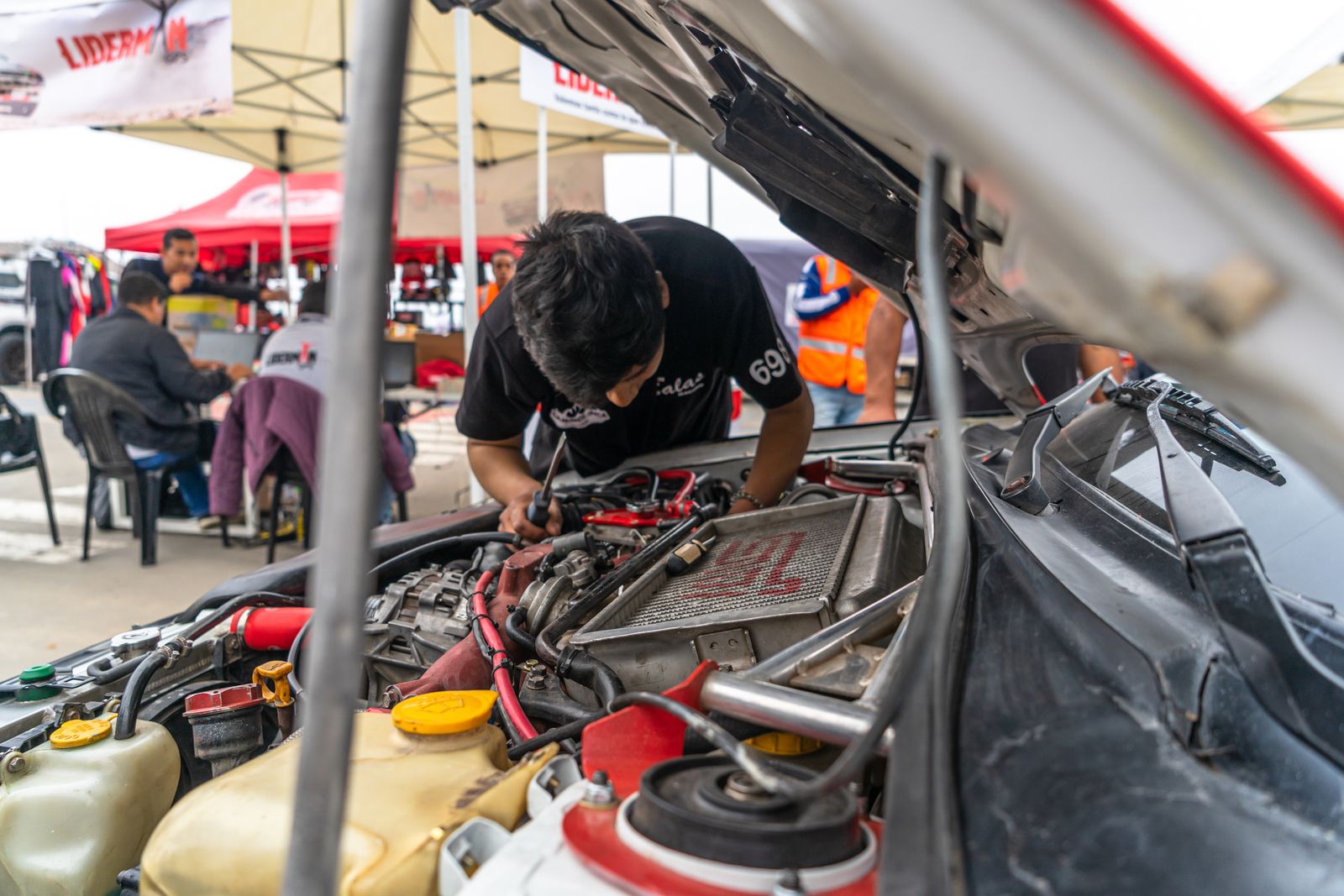
What Can Hardware-in-the-Loop Testing Validate? starts with the job the work must do. For automotive engineers, validation teams, mobility product leaders, suppliers, and technical programme managers, that means defining the decision, behaviour, or visible result before choosing tools. In automotive hardware-in-the-loop testing, the practical scope includes ECUs, ADAS controllers, battery systems, powertrain, braking, steering, body electronics, diagnostics, and network behaviour. Each part should connect to a requirement that can be reviewed, not a vague request for a more advanced or more impressive result.
A reliable workflow separates inputs, working assumptions, production steps, and review evidence. The team records what came from the client, what was measured or observed, what was created, and which checks support approval. This structure makes revisions easier to diagnose. It also lets another artist, engineer, teacher, or producer understand why a choice was made instead of repeating the work from the beginning.
The common failure is to optimise one visible detail while ignoring the system around it. A polished output can still fail when timing, scale, continuity, context, accessibility, or delivery requirements are wrong. Teams should test the work in the environment where it will be used, record specific problems, and assign fixes to the right stage. Late cosmetic changes cannot repair a weak brief or missing source information. See a related Mimic Mobility guide for a connected production example.
For planning, turn this section into a short checklist: confirm the intended user, list the source material, name the owner of each approval, define the output format, and agree on one test that would reveal a bad result. Review early samples before scaling the process. This protects the schedule and keeps effort focused on repeatable evidence that real control hardware behaves correctly when connected to simulated vehicles, sensors, roads, traffic, faults, and environmental conditions.
Why Use HIL Instead of Only Road Testing?

Why Use HIL Instead of Only Road Testing? starts with the job the work must do. For automotive engineers, validation teams, mobility product leaders, suppliers, and technical programme managers, that means defining the decision, behaviour, or visible result before choosing tools. In automotive hardware-in-the-loop testing, the practical scope includes repeatability, safe fault injection, early access, automation, boundary conditions, traceability, and reducing expensive prototype use. Each part should connect to a requirement that can be reviewed, not a vague request for a more advanced or more impressive result.
A reliable workflow separates inputs, working assumptions, production steps, and review evidence. The team records what came from the client, what was measured or observed, what was created, and which checks support approval. This structure makes revisions easier to diagnose. It also lets another artist, engineer, teacher, or producer understand why a choice was made instead of repeating the work from the beginning.
The common failure is to optimise one visible detail while ignoring the system around it. A polished output can still fail when timing, scale, continuity, context, accessibility, or delivery requirements are wrong. Teams should test the work in the environment where it will be used, record specific problems, and assign fixes to the right stage. Late cosmetic changes cannot repair a weak brief or missing source information. See a related Mimic Mobility guide for a connected production example.
For planning, turn this section into a short checklist: confirm the intended user, list the source material, name the owner of each approval, define the output format, and agree on one test that would reveal a bad result. Review early samples before scaling the process. This protects the schedule and keeps effort focused on repeatable evidence that real control hardware behaves correctly when connected to simulated vehicles, sensors, roads, traffic, faults, and environmental conditions.
What Makes an HIL Model Trustworthy?
What Makes an HIL Model Trustworthy? starts with the job the work must do. For automotive engineers, validation teams, mobility product leaders, suppliers, and technical programme managers, that means defining the decision, behaviour, or visible result before choosing tools. In automotive hardware-in-the-loop testing, the practical scope includes real-time performance, model fidelity, parameter sources, correlation, uncertainty, version control, and fit-for-purpose validation. Each part should connect to a requirement that can be reviewed, not a vague request for a more advanced or more impressive result.
A reliable workflow separates inputs, working assumptions, production steps, and review evidence. The team records what came from the client, what was measured or observed, what was created, and which checks support approval. This structure makes revisions easier to diagnose. It also lets another artist, engineer, teacher, or producer understand why a choice was made instead of repeating the work from the beginning.
The common failure is to optimise one visible detail while ignoring the system around it. A polished output can still fail when timing, scale, continuity, context, accessibility, or delivery requirements are wrong. Teams should test the work in the environment where it will be used, record specific problems, and assign fixes to the right stage. Late cosmetic changes cannot repair a weak brief or missing source information. See a related Mimic Mobility guide for a connected production example.
For planning, turn this section into a short checklist: confirm the intended user, list the source material, name the owner of each approval, define the output format, and agree on one test that would reveal a bad result. Review early samples before scaling the process. This protects the schedule and keeps effort focused on repeatable evidence that real control hardware behaves correctly when connected to simulated vehicles, sensors, roads, traffic, faults, and environmental conditions.
How Do You Build an Effective HIL Programme?

How Do You Build an Effective HIL Programme? starts with the job the work must do. For automotive engineers, validation teams, mobility product leaders, suppliers, and technical programme managers, that means defining the decision, behaviour, or visible result before choosing tools. In automotive hardware-in-the-loop testing, the practical scope includes requirements mapping, test architecture, interfaces, scenario libraries, coverage, maintenance, governance, and linking simulation evidence to physical tests. Each part should connect to a requirement that can be reviewed, not a vague request for a more advanced or more impressive result.
A reliable workflow separates inputs, working assumptions, production steps, and review evidence. The team records what came from the client, what was measured or observed, what was created, and which checks support approval. This structure makes revisions easier to diagnose. It also lets another artist, engineer, teacher, or producer understand why a choice was made instead of repeating the work from the beginning.
The common failure is to optimise one visible detail while ignoring the system around it. A polished output can still fail when timing, scale, continuity, context, accessibility, or delivery requirements are wrong. Teams should test the work in the environment where it will be used, record specific problems, and assign fixes to the right stage. Late cosmetic changes cannot repair a weak brief or missing source information. See a related Mimic Mobility guide for a connected production example.
For planning, turn this section into a short checklist: confirm the intended user, list the source material, name the owner of each approval, define the output format, and agree on one test that would reveal a bad result. Review early samples before scaling the process. This protects the schedule and keeps effort focused on repeatable evidence that real control hardware behaves correctly when connected to simulated vehicles, sensors, roads, traffic, faults, and environmental conditions.
Frequently Asked Questions
What does HIL stand for?
HIL stands for hardware in the loop. Real hardware runs inside a closed test loop with a real-time simulation of the system around it.
Is HIL the same as software-in-the-loop?
No. Software-in-the-loop tests software in a simulated environment. HIL adds real target hardware, electrical interfaces, timing, and I/O behaviour.
Which automotive components can be tested?
Teams test powertrain, battery, braking, steering, ADAS, body, infotainment, gateway, and other electronic control units.
Can HIL replace road testing?
No. It reduces and focuses road testing by finding faults early and covering repeatable cases, but final validation still needs physical evidence.
Why must the simulation run in real time?
The real controller expects signals and responses at production timing. If the model runs too slowly or unpredictably, the test no longer represents the intended closed loop.
Can HIL test faults safely?
Yes. Teams can inject sensor failures, communication errors, voltage conditions, component faults, and rare scenarios without risking people or prototypes.
What data does HIL produce?
A test can log commands, sensor signals, bus traffic, timing, state transitions, diagnostic responses, model variables, and pass or fail evidence.
How is an HIL model validated?
Engineers compare model outputs with trusted calculations, component tests, vehicle measurements, and known reference cases across the operating range.
Can HIL tests run automatically?
Yes. Automation can configure the bench, execute scenario sets, collect logs, compare results, generate reports, and repeat tests after software changes.
When should HIL begin in development?
Start when interfaces, requirements, and executable models are mature enough to produce useful evidence. Early planning prevents the bench from becoming a late integration bottleneck.
Conclusion
What is hardware-in-the-loop testing is not answered by one tool or one preset. Strong work begins with a clear objective, dependable inputs, a controlled process, and review evidence that matches the real use case. That approach makes quality easier to explain, budget, repeat, and improve.
If you are planning a project involving automotive hardware-in-the-loop testing, contact Mimic Mobility to discuss the brief, source material, production steps, review points, and final deliverables.