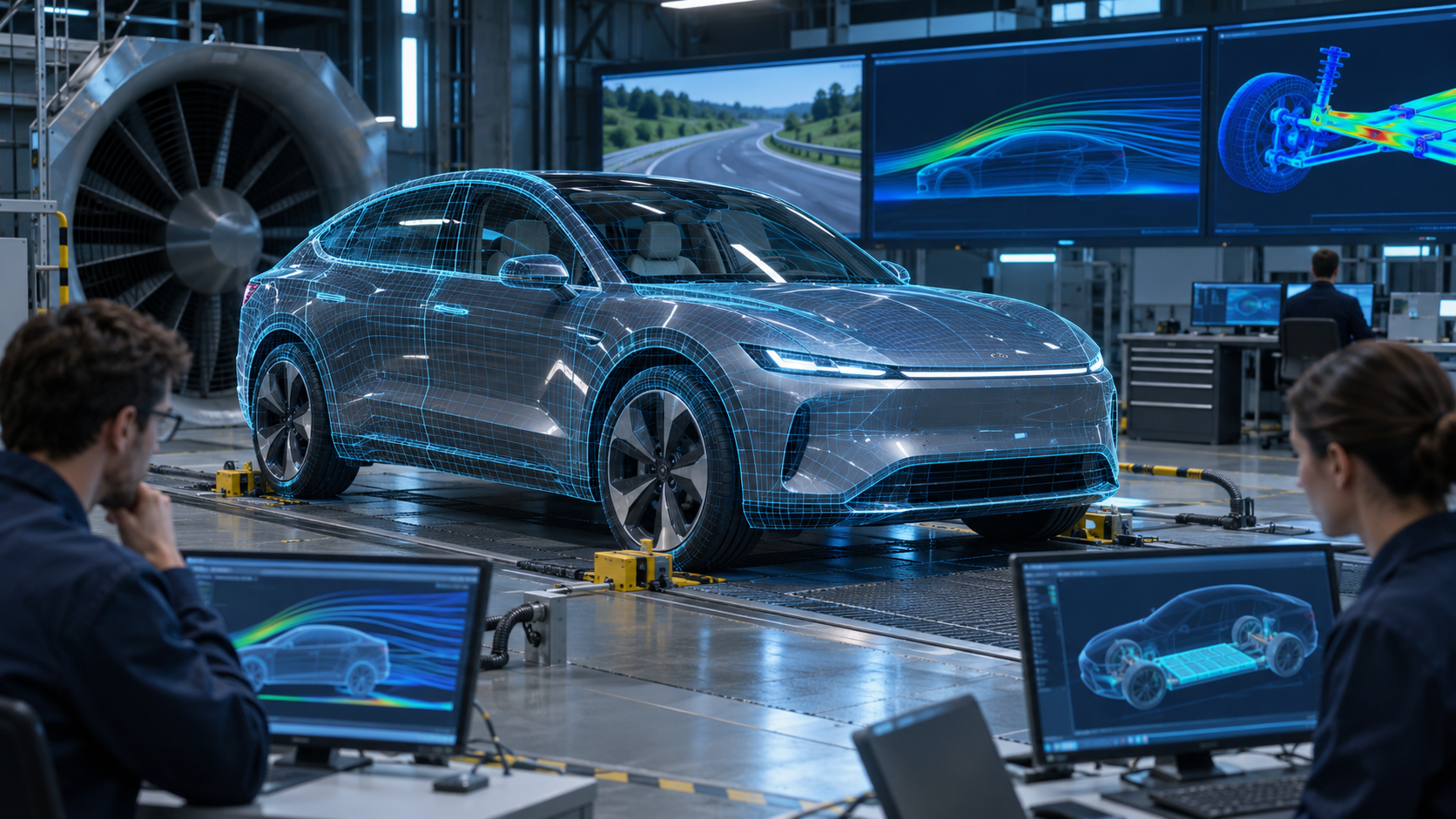
What is automotive simulation, and how does a virtual test become useful evidence for a real vehicle programme?
Automotive simulation is a practical production question, not a software definition. The useful answer connects creative intent, technical method, budget, review, and delivery. This guide explains that process for vehicle engineers, validation teams, suppliers, mobility product leaders, and technical programme managers.
The goal is repeatable evidence that helps teams compare designs, expose risks, and decide which questions still require prototypes, proving grounds, or public-road tests. Explore Mimic Mobility for related services and project examples, then use the sections below to plan a realistic brief and approval process.
Table of Contents
What Is Automotive Simulation?
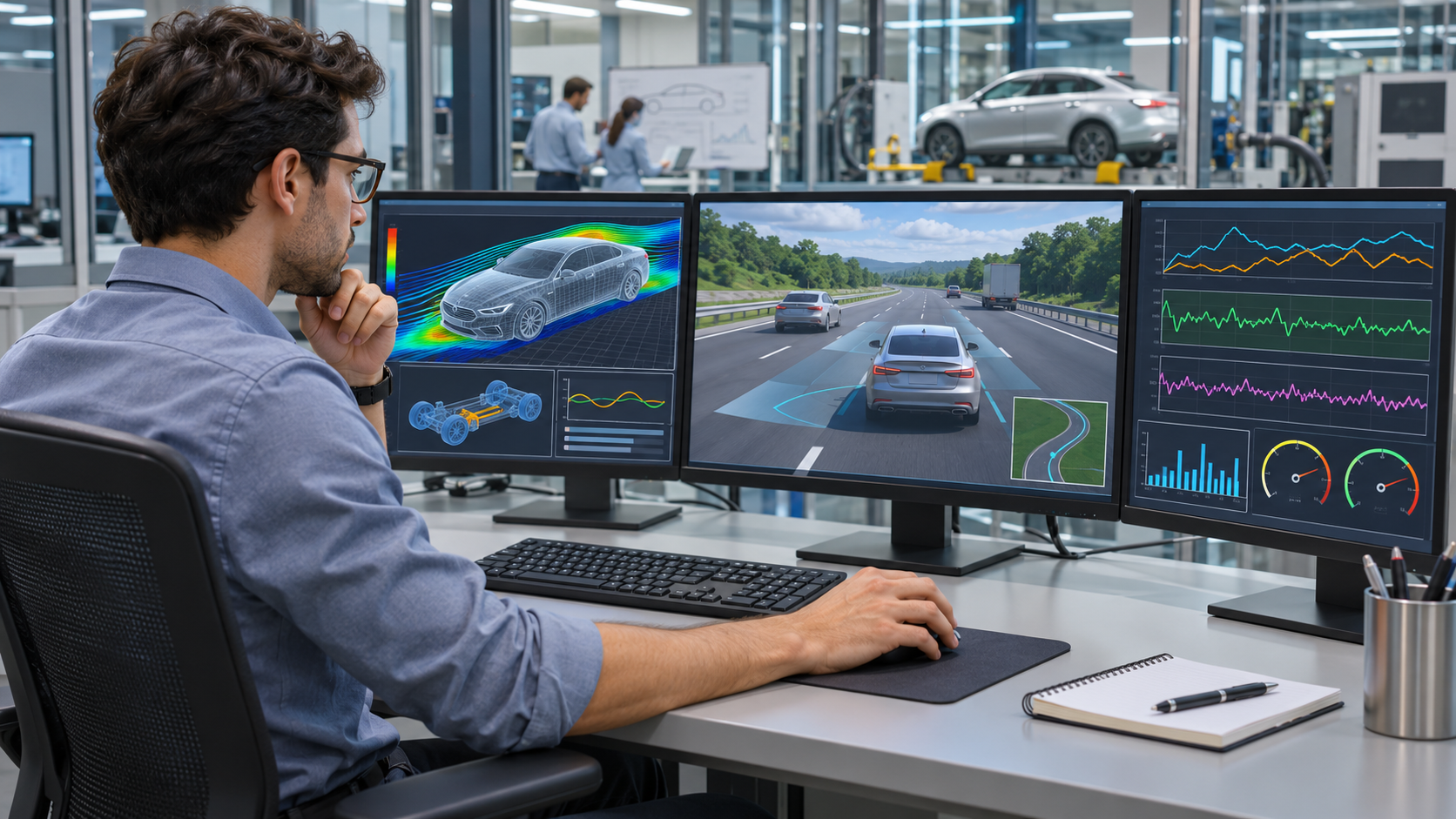
Automotive simulation uses mathematical, physical, logical, and data-driven models to reproduce vehicle systems and operating conditions. It can represent components, controllers, complete vehicles, drivers, roads, traffic, sensors, weather, and communications.
The practical question is not whether the team can produce a sophisticated result, but whether the chosen method answers the brief. For vehicle engineers, validation teams, suppliers, mobility product leaders, and technical programme managers, the work should be divided into inputs, decisions, production tasks, review points, and measurable delivery criteria. That structure makes cost and responsibility visible before late changes become expensive.
Quality depends on relationships between details. Timing, scale, continuity, context, accessibility, image or data integrity, and delivery requirements must work together. A polished surface cannot rescue a weak source, an unclear approval chain, or a test that does not represent real use. Review the work in context and record specific evidence instead of relying on general reactions. Read a related Mimic Mobility guide for a connected example.
Turn this section into a working checklist. Confirm the intended audience, source material, assumptions, owner of each approval, output format, and one test that would expose a bad result. Review an early sample before scaling. This keeps revisions focused on repeatable evidence that helps teams compare designs, expose risks, and decide which questions still require prototypes, proving grounds, or public-road tests.
How Does Automotive Simulation Work?
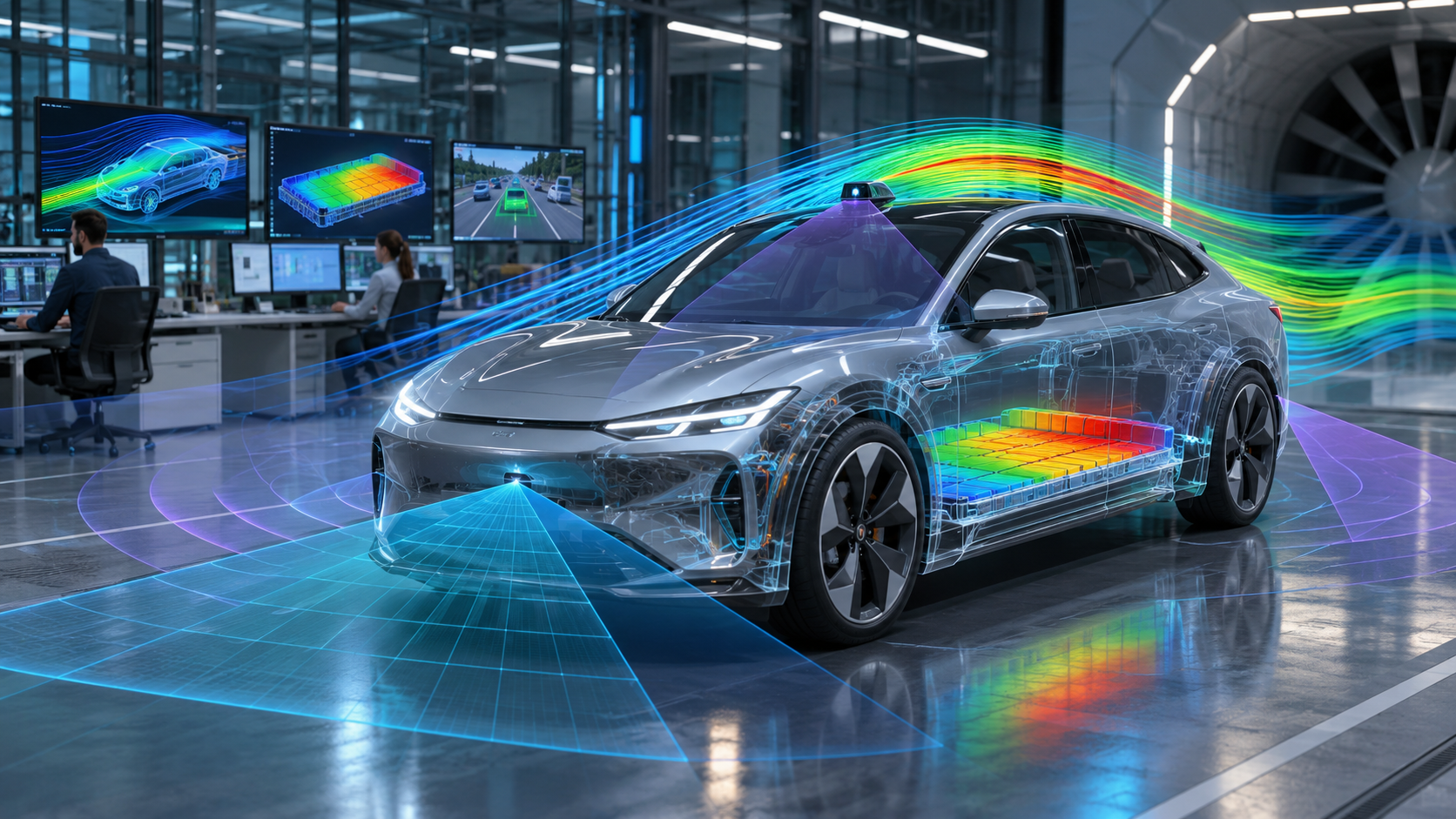
A team defines the question, chooses model fidelity, sets parameters and boundary conditions, builds scenarios, executes runs, records outputs, compares results with acceptance criteria, and investigates sensitivity or failure cases.
The practical question is not whether the team can produce a sophisticated result, but whether the chosen method answers the brief. For vehicle engineers, validation teams, suppliers, mobility product leaders, and technical programme managers, the work should be divided into inputs, decisions, production tasks, review points, and measurable delivery criteria. That structure makes cost and responsibility visible before late changes become expensive.
Quality depends on relationships between details. Timing, scale, continuity, context, accessibility, image or data integrity, and delivery requirements must work together. A polished surface cannot rescue a weak source, an unclear approval chain, or a test that does not represent real use. Review the work in context and record specific evidence instead of relying on general reactions. Read a related Mimic Mobility guide for a connected example.
Turn this section into a working checklist. Confirm the intended audience, source material, assumptions, owner of each approval, output format, and one test that would expose a bad result. Review an early sample before scaling. This keeps revisions focused on repeatable evidence that helps teams compare designs, expose risks, and decide which questions still require prototypes, proving grounds, or public-road tests.
What Is Automotive Simulation Used For?
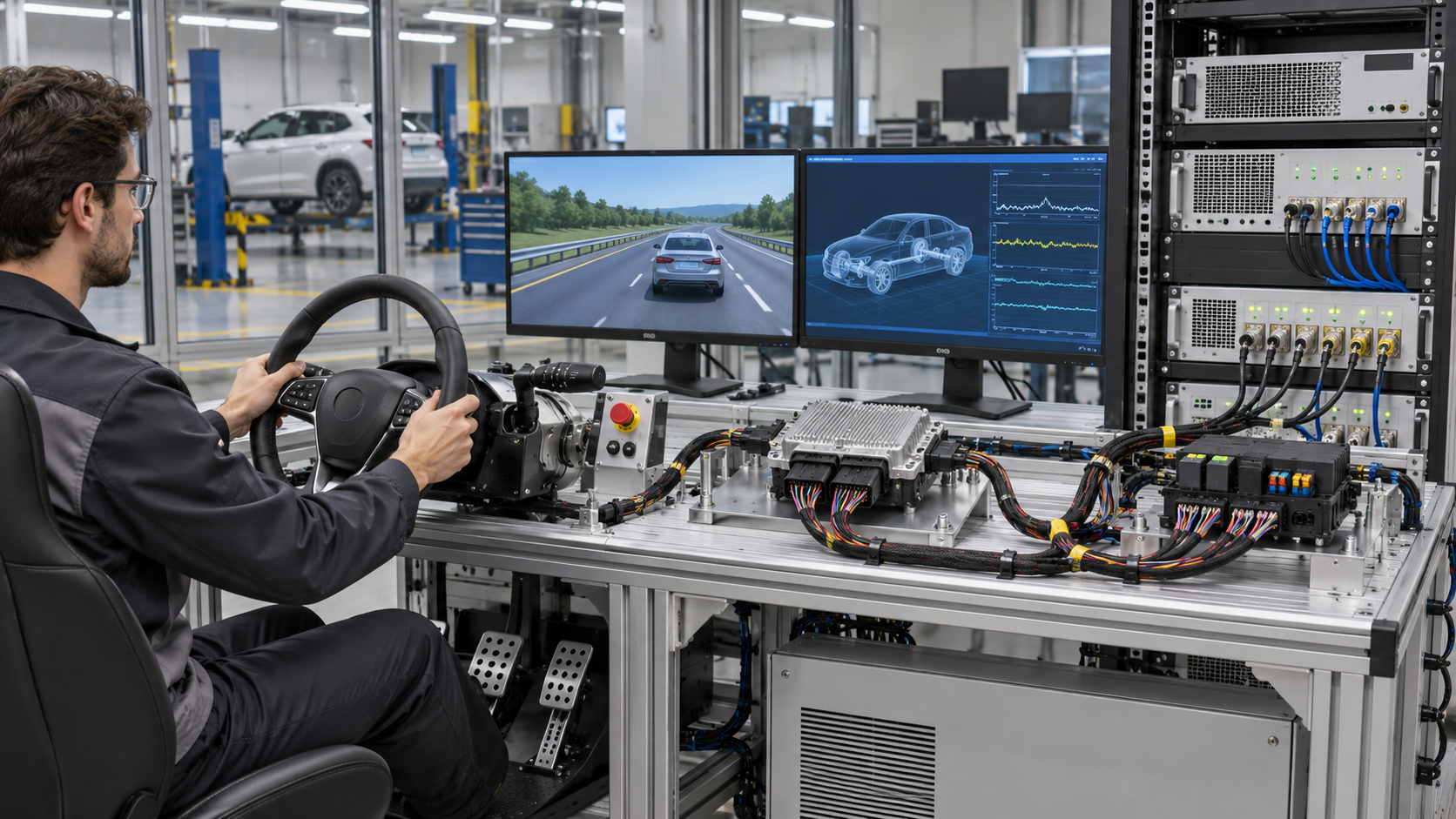
Applications include concept trade-offs, powertrain and battery development, aerodynamics, vehicle dynamics, thermal analysis, controls, ADAS, autonomous driving, ergonomics, manufacturing, service planning, training, and homologation support.
The practical question is not whether the team can produce a sophisticated result, but whether the chosen method answers the brief. For vehicle engineers, validation teams, suppliers, mobility product leaders, and technical programme managers, the work should be divided into inputs, decisions, production tasks, review points, and measurable delivery criteria. That structure makes cost and responsibility visible before late changes become expensive.
Quality depends on relationships between details. Timing, scale, continuity, context, accessibility, image or data integrity, and delivery requirements must work together. A polished surface cannot rescue a weak source, an unclear approval chain, or a test that does not represent real use. Review the work in context and record specific evidence instead of relying on general reactions. Read a related Mimic Mobility guide for a connected example.
Turn this section into a working checklist. Confirm the intended audience, source material, assumptions, owner of each approval, output format, and one test that would expose a bad result. Review an early sample before scaling. This keeps revisions focused on repeatable evidence that helps teams compare designs, expose risks, and decide which questions still require prototypes, proving grounds, or public-road tests.
Which Simulation Levels Are Used in Development?
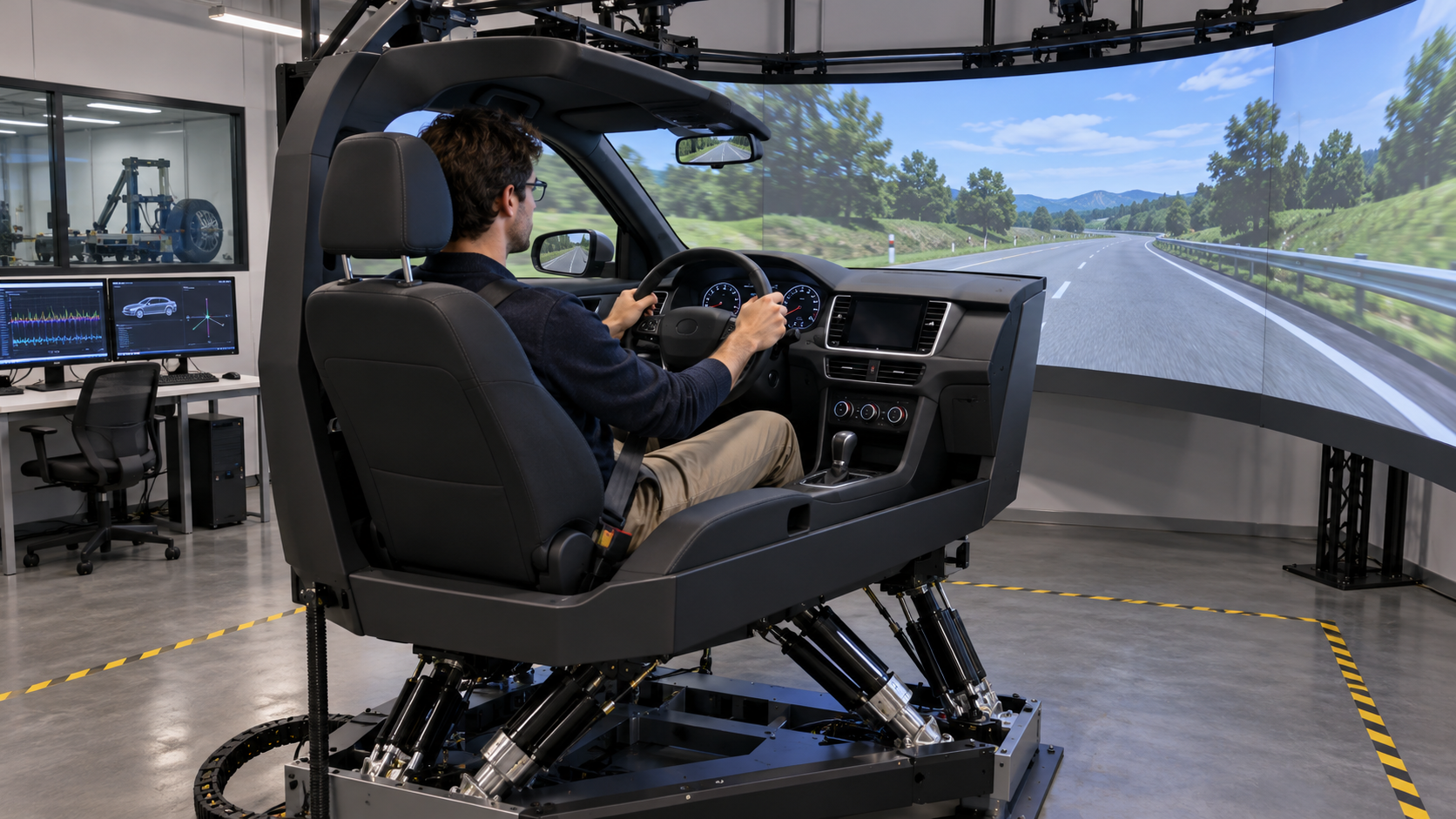
Model-in-the-loop, software-in-the-loop, processor-in-the-loop, hardware-in-the-loop, driver-in-the-loop, and vehicle-in-the-loop tests add different real components to the test chain. Each answers a different class of question.
The practical question is not whether the team can produce a sophisticated result, but whether the chosen method answers the brief. For vehicle engineers, validation teams, suppliers, mobility product leaders, and technical programme managers, the work should be divided into inputs, decisions, production tasks, review points, and measurable delivery criteria. That structure makes cost and responsibility visible before late changes become expensive.
Quality depends on relationships between details. Timing, scale, continuity, context, accessibility, image or data integrity, and delivery requirements must work together. A polished surface cannot rescue a weak source, an unclear approval chain, or a test that does not represent real use. Review the work in context and record specific evidence instead of relying on general reactions. Read a related Mimic Mobility guide for a connected example.
Turn this section into a working checklist. Confirm the intended audience, source material, assumptions, owner of each approval, output format, and one test that would expose a bad result. Review an early sample before scaling. This keeps revisions focused on repeatable evidence that helps teams compare designs, expose risks, and decide which questions still require prototypes, proving grounds, or public-road tests.
How Are Automotive Models Validated?
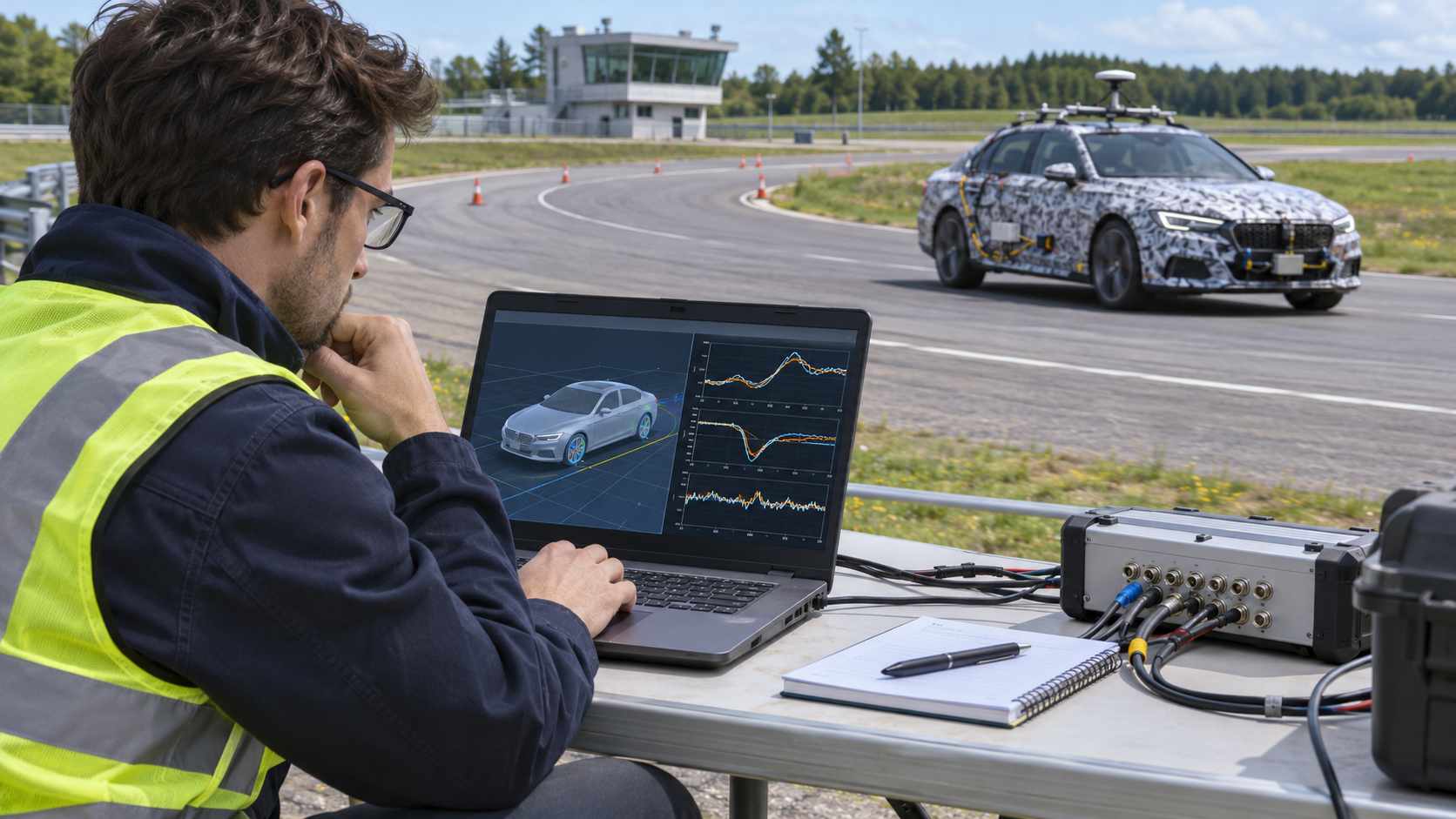
Validation compares model behavior with trusted calculations, component data, bench tests, track measurements, road data, and known reference cases. Teams document assumptions, uncertainty, version history, parameter sources, and the operating range where the model is credible.
The practical question is not whether the team can produce a sophisticated result, but whether the chosen method answers the brief. For vehicle engineers, validation teams, suppliers, mobility product leaders, and technical programme managers, the work should be divided into inputs, decisions, production tasks, review points, and measurable delivery criteria. That structure makes cost and responsibility visible before late changes become expensive.
Quality depends on relationships between details. Timing, scale, continuity, context, accessibility, image or data integrity, and delivery requirements must work together. A polished surface cannot rescue a weak source, an unclear approval chain, or a test that does not represent real use. Review the work in context and record specific evidence instead of relying on general reactions. Read a related Mimic Mobility guide for a connected example.
Turn this section into a working checklist. Confirm the intended audience, source material, assumptions, owner of each approval, output format, and one test that would expose a bad result. Review an early sample before scaling. This keeps revisions focused on repeatable evidence that helps teams compare designs, expose risks, and decide which questions still require prototypes, proving grounds, or public-road tests.
How Should a Simulation Programme Be Planned?
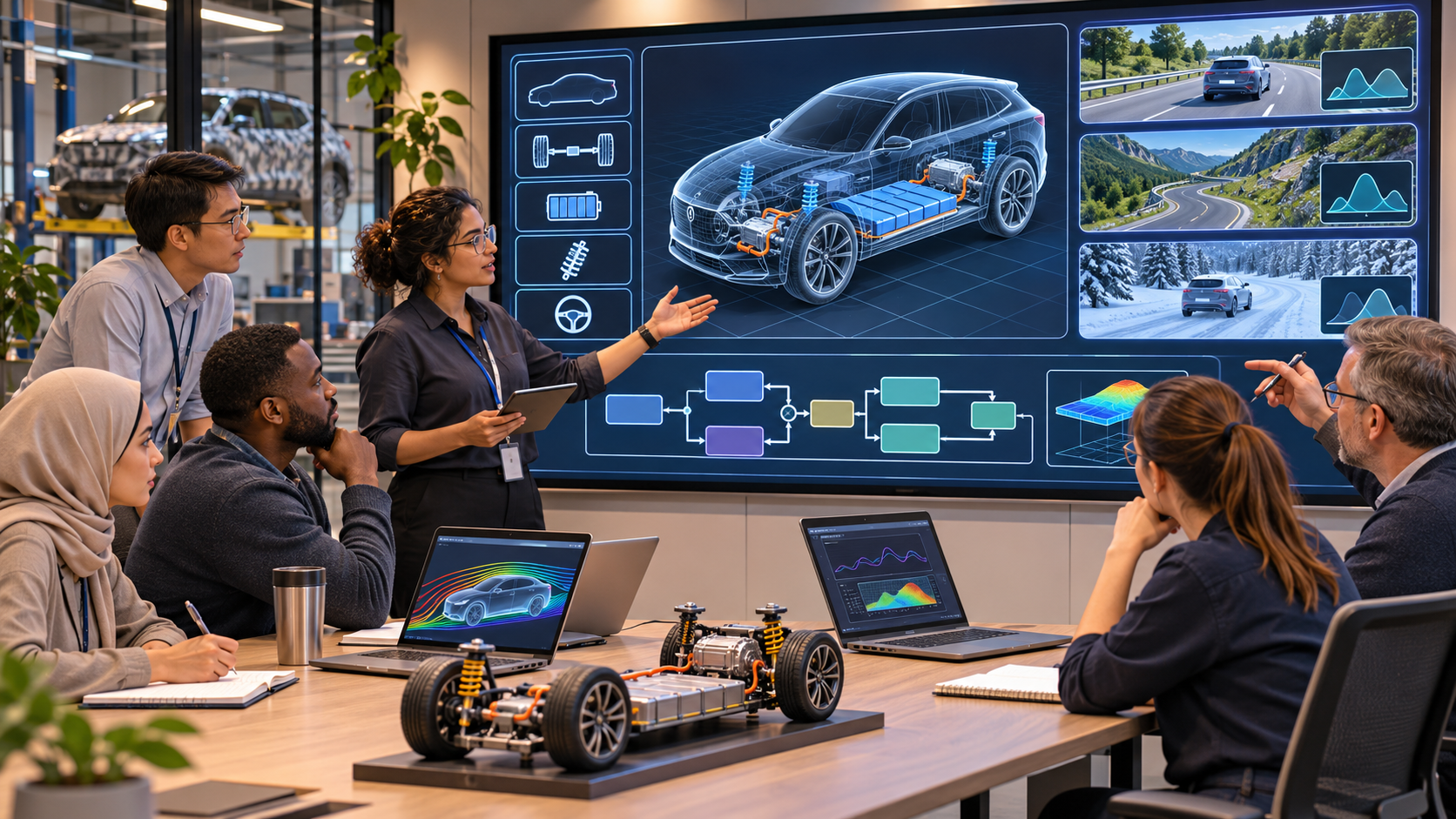
Start from requirements and decisions, not available software. Map each requirement to models, scenarios, metrics, acceptance criteria, owners, correlation evidence, compute needs, data retention, and the physical tests that close remaining gaps.
The practical question is not whether the team can produce a sophisticated result, but whether the chosen method answers the brief. For vehicle engineers, validation teams, suppliers, mobility product leaders, and technical programme managers, the work should be divided into inputs, decisions, production tasks, review points, and measurable delivery criteria. That structure makes cost and responsibility visible before late changes become expensive.
Quality depends on relationships between details. Timing, scale, continuity, context, accessibility, image or data integrity, and delivery requirements must work together. A polished surface cannot rescue a weak source, an unclear approval chain, or a test that does not represent real use. Review the work in context and record specific evidence instead of relying on general reactions. Read a related Mimic Mobility guide for a connected example.
Turn this section into a working checklist. Confirm the intended audience, source material, assumptions, owner of each approval, output format, and one test that would expose a bad result. Review an early sample before scaling. This keeps revisions focused on repeatable evidence that helps teams compare designs, expose risks, and decide which questions still require prototypes, proving grounds, or public-road tests.
Frequently Asked Questions
Is automotive simulation the same as a driving simulator?
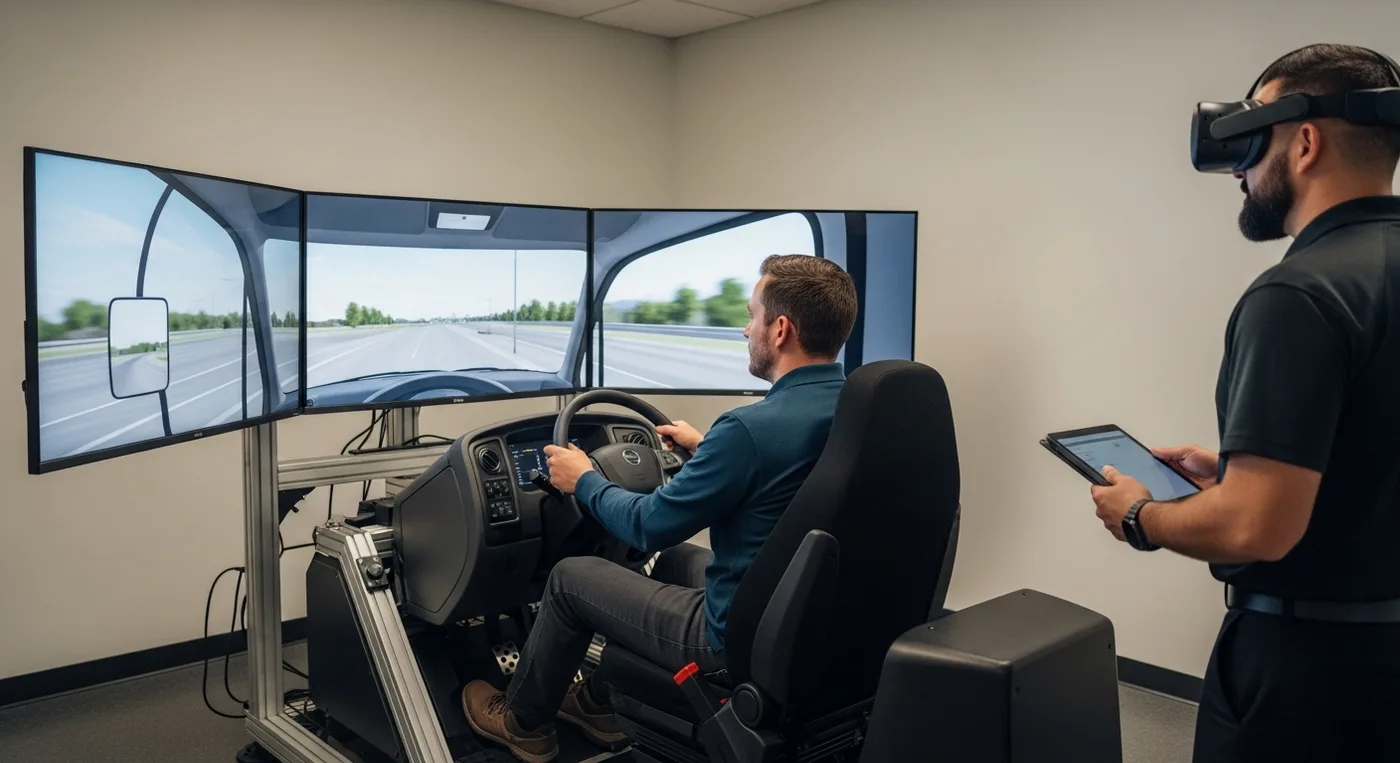
No. A driving simulator is one application, often involving a human driver. Automotive simulation also covers components, controls, physics, sensors, traffic, manufacturing, and many other systems.
Can simulation replace physical vehicle testing?
It can reduce and focus physical testing, but safety, correlation, regulation, human factors, and final validation still require real evidence.
What is model-in-the-loop testing?
Model-in-the-loop testing connects executable models of the controller and plant so teams can assess logic before production software or hardware is available.
What is software-in-the-loop testing?
Software-in-the-loop executes production-like software against a simulated environment, allowing automated functional testing before target hardware is available.
Why are scenarios important?
Scenarios define the starting conditions, actors, environment, events, and expected outcomes needed to make a test repeatable and reviewable.
What is simulation fidelity?
Fidelity describes how closely a model reproduces the behavior that matters for a specific decision. More detail is not automatically better.
How is synthetic sensor data used?
Virtual cameras, lidar, radar, GNSS, and other sensors generate controlled data for perception development, edge cases, regression tests, and coverage expansion.
What makes simulation results trustworthy?
Clear assumptions, verified implementation, validated models, controlled inputs, sensitivity analysis, versioning, traceable results, and correlation with physical evidence build trust.
Can simulation test rare dangerous events?
Yes. It can explore hazardous, expensive, or statistically rare situations repeatedly without placing people or prototypes at the same risk.
When should simulation begin?
Begin during concept and requirements work. Early models can compare architectures and expose missing assumptions before detailed implementation begins.
Conclusion
Automotive simulation becomes useful when the team links every creative and technical choice to a clear purpose. Define the audience, inputs, limits, review evidence, and final deliverables before production expands. That approach makes quality easier to approve and problems easier to fix.
If you are planning this kind of project, contact Mimic Mobility to discuss the brief, production plan, review stages, and required versions.