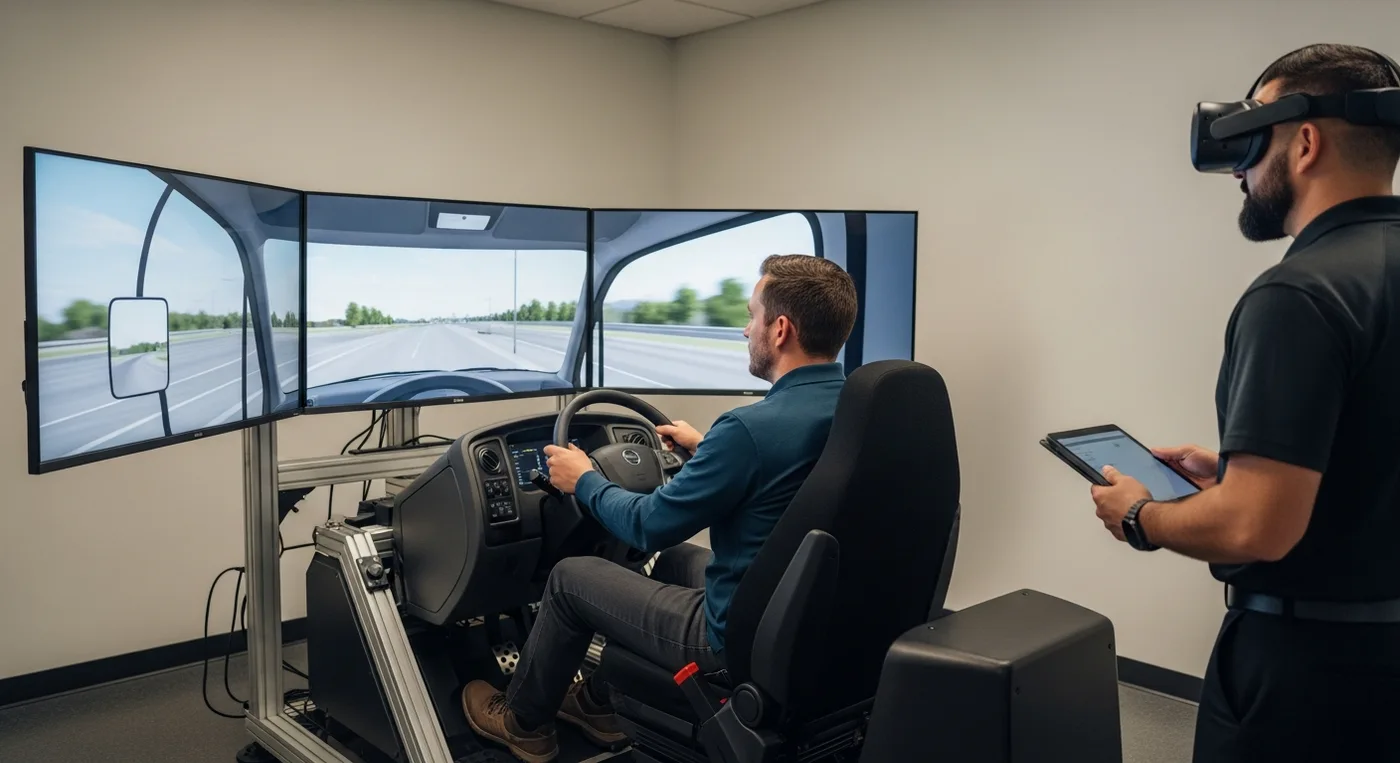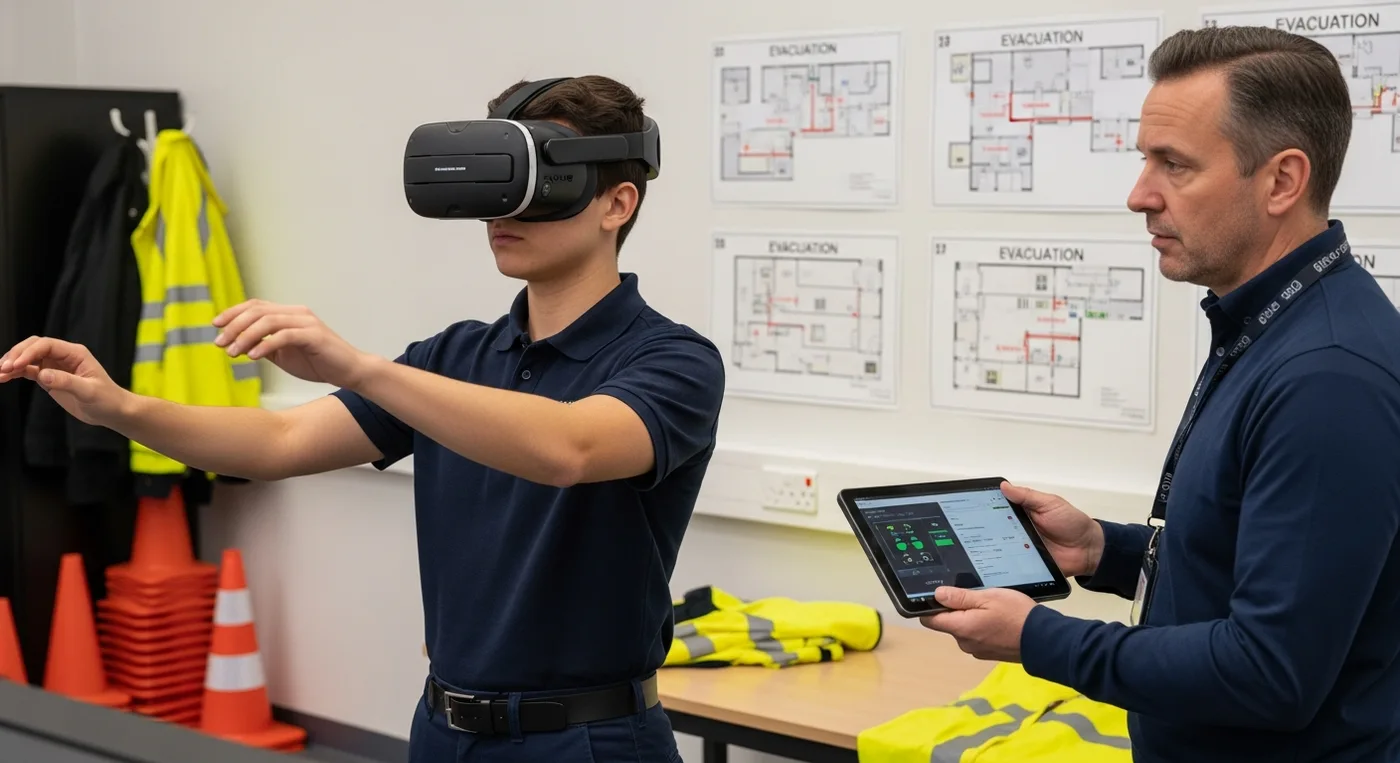
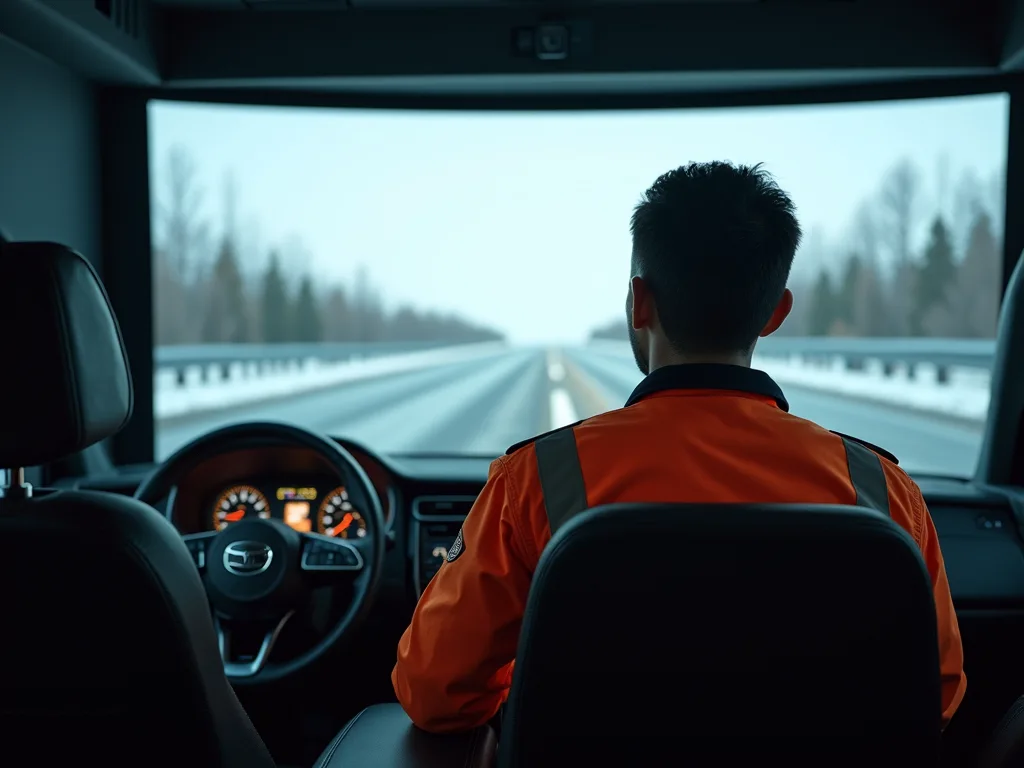
Driving in controlled environments does not fully prepare drivers for the unpredictability of real-world conditions. Congested city streets, high-speed highways, and extreme weather scenarios demand fast decision-making, situational awareness, and emotional control. Traditional classroom instruction and basic road tests often fail to expose drivers to these high-risk situations safely. This is why modern driving training programs increasingly rely on immersive simulation and AI-driven systems.
Advanced driving training allows drivers to experience complex scenarios without physical danger. Using simulation, virtual reality, and real-time analytics, mobility organizations prepare drivers for hazardous conditions while reducing accident risk. Solutions supported by Mimic Mobility enable organizations to train drivers more effectively across commercial fleets, public transportation, emergency services, and autonomous vehicle programs.
This article explores how driving training in high-risk environments prepares drivers for urban congestion, highway complexity, and extreme conditions while improving safety and confidence.
Table of Contents
Traditional driving instruction vs immersive driving training
Integrating driving training with mobility simulation platforms
What is high-risk driving training?
High-risk driving training focuses on preparing drivers for situations where error margins are small and consequences are severe. Instead of only teaching traffic rules, it trains drivers to react under pressure.
This type of training includes:
dense urban traffic simulation
highway driving at sustained speeds
emergency braking scenarios
poor visibility and weather conditions
pedestrian unpredictability
accident avoidance techniques
Advanced driver training systems operate similarly to the immersive simulation environments described in virtual driving simulation programs, where realistic scenarios improve safety without physical risk.
Why traditional driver training falls short?
Traditional driving instruction often focuses on:
basic vehicle operation
traffic laws
low-risk driving environments
limited exposure to hazards
Drivers rarely experience:
sudden obstacles
aggressive traffic patterns
complex intersections
extreme weather
high-speed emergencies
As a result, many drivers freeze or react poorly when faced with real-world danger. Immersive driving training fills this gap by recreating these situations safely and repeatedly.
Urban driving challenges and simulation-based preparation
Urban driving is one of the most complex environments for drivers.
Challenges include:
heavy congestion
pedestrians and cyclists
unpredictable lane changes
construction zones
tight turns and blind spots
distracted road users
Simulation-based driving training allows drivers to practice navigating these conditions while receiving immediate feedback.
Drivers learn to:
anticipate hazards
maintain situational awareness
manage stress
follow defensive driving principles
This approach mirrors the training logic used in VR emergency response training for mobility teams, where exposure builds confidence and reaction speed.
Highway driving training at high speeds
Highway driving introduces different risks due to speed and traffic flow.
Training scenarios include:
merging at high speed
managing tailgating
sudden braking at speed
lane discipline under pressure
fatigue-related errors
reaction time at velocity
Simulation allows drivers to practice these scenarios without risking collisions.
Drivers improve:
speed judgment
distance awareness
braking control
lane positioning
emergency response
This builds safer habits that translate directly to real highway driving.
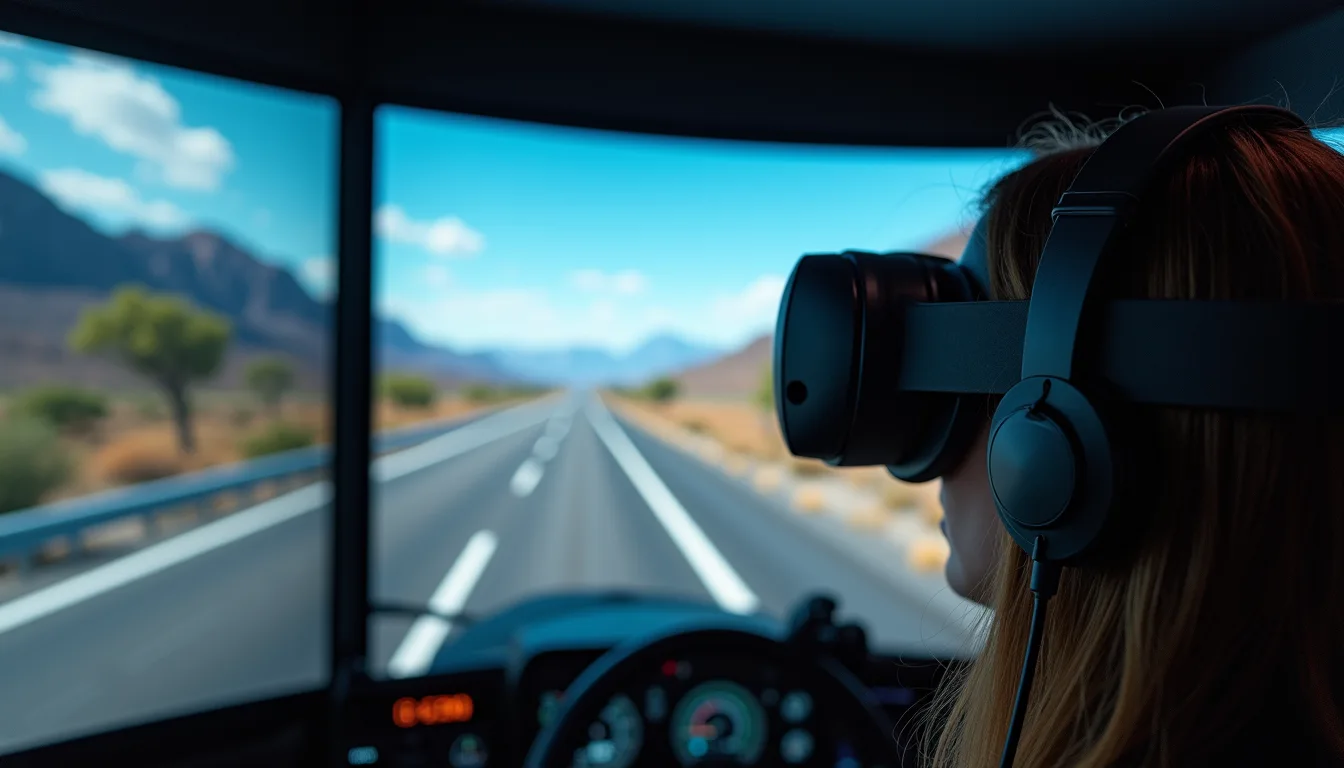
Traditional Driving Instruction vs Immersive Driving Training
Aspect | Traditional Instruction | Immersive Driving Training |
Exposure to hazards | Limited | Extensive and controlled |
Risk level | Real-world risk | Zero physical risk |
Scenario repetition | Rare | Unlimited |
Feedback | Instructor dependent | Data-driven and instant |
Stress training | Minimal | Realistic pressure simulation |
Skill retention | Moderate | Higher due to immersion |
Scalability | Limited | Highly scalable |
Preparing drivers for extreme and hazardous conditions
Extreme conditions are difficult to train for in real life.
Examples include:
heavy rain or snow
fog and low visibility
icy roads
desert heat conditions
mountain driving
night driving
emergency vehicle interaction
Driving training platforms simulate these environments accurately, allowing drivers to learn:
traction management
visibility compensation
hazard anticipation
emergency maneuvering
Practicing extreme conditions improves confidence and reduces panic during real incidents.
AI-supported feedback and performance analysis
Modern driving training systems use AI to analyze driver behavior.
AI evaluates:
reaction time
braking patterns
steering stability
speed control
hazard detection
decision timing
Based on this data, the system provides:
personalized feedback
risk scoring
improvement recommendations
adaptive difficulty levels
This intelligent analysis aligns with AI-driven mobility tools used across Mimic Mobility tech systems.
Training commercial and fleet drivers at scale
Fleet operators face higher stakes due to vehicle size, cargo, and passenger safety.
Immersive driving training helps fleets:
reduce accidents
standardize training
onboard drivers faster
lower insurance costs
improve compliance
maintain consistent safety standards
Training can be deployed across regions without interrupting operations.
This scalability is critical for logistics, public transport, delivery services, and emergency fleets.
Integrating driving training with mobility simulation platforms
Advanced driving training integrates with broader mobility systems, including:
traffic simulation
route planning tools
telematics data
fleet analytics
safety dashboards
This integration allows organizations to align training outcomes with real-world performance data.
It also supports future-ready initiatives such as autonomous vehicle testing and smart mobility planning.
Challenges organizations must consider
While immersive training offers major benefits, organizations must plan for:
hardware availability
training program design
user comfort
data privacy
realistic scenario modeling
instructor adoption
When implemented correctly, immersive driving training delivers long-term safety and cost benefits.
Conclusion
Driving training in high-risk environments is essential for preparing drivers to handle urban congestion, highway speeds, and extreme conditions safely. By using immersive simulation, AI-driven analysis, and realistic scenario modeling, organizations improve driver confidence, reduce accidents, and strengthen overall mobility safety. As transportation systems become more complex, immersive driving training will be a core component of modern mobility strategies.
Mimic Mobility supports this evolution by delivering advanced simulation platforms, AI-powered analytics, and immersive training systems designed to prepare drivers for real-world challenges.
FAQs
1. What is high-risk driving training?
It prepares drivers for dangerous or unpredictable situations through immersive simulation.
2. Does simulation-based training improve safety?
Yes. Repeated exposure improves reaction time and hazard awareness.
3. Can driving training cover extreme weather conditions?
Simulation allows safe practice in rain, snow, fog, and low-visibility scenarios.
4. Is immersive driving training useful for fleets?
It is especially valuable for commercial and fleet drivers.
5. Does AI personalize driver training?
AI adapts difficulty and feedback based on individual performance.
6. Can immersive training replace on-road tests?
It complements real driving by preparing drivers before road exposure.