Mimic Mobility creates digital characters, 3D environments and interactive content for mobility experiences. A passenger assistant, a virtual prototype and an automotive presentation each need a different brief. The studio is based in Potsdam; the examples in this article describe possible applications, not verified deployments across Berlin’s transport network.
What does Mimic Mobility work on?
Mimic Mobility’s website presents AI avatars, 3D simulations and automotive advertising content. These capabilities can be scoped for passenger information, virtual environments and branded experiences. They should be described as project options unless a specific delivered project and its credits are available.
The current studio information is August-Bebel-Str. 26, 14482 Potsdam, Germany. For a location-specific project, confirm where capture sessions, production reviews and any on-site installation will take place.
Where can a passenger assistant fit?
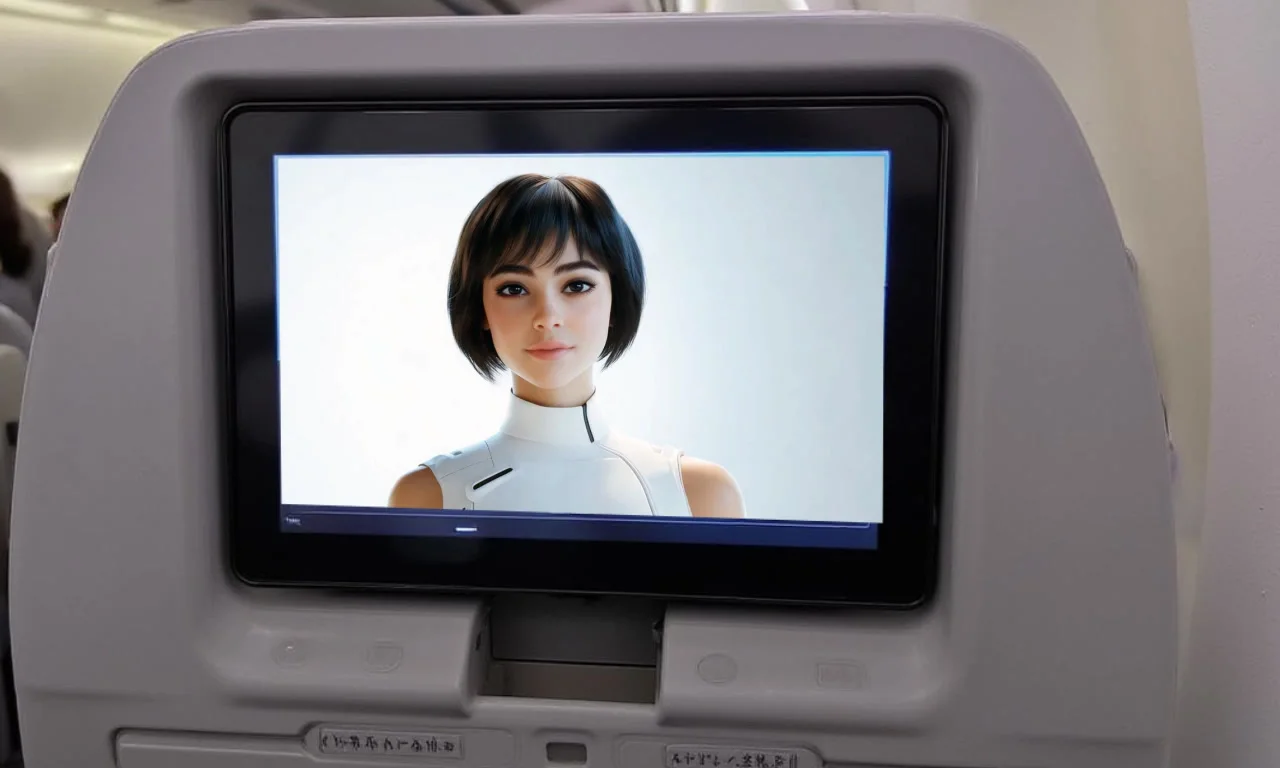
A digital character can provide a familiar interface for directions, vehicle information or common travel questions. A useful brief identifies the passenger, location, supported languages and the information the character is authorised to provide.
A live arrival answer depends on an operational feed. A booking change depends on a booking integration and the relevant permissions. Neither feature follows automatically from adding a realistic face or conversational model.
What can a 3D environment help explain?
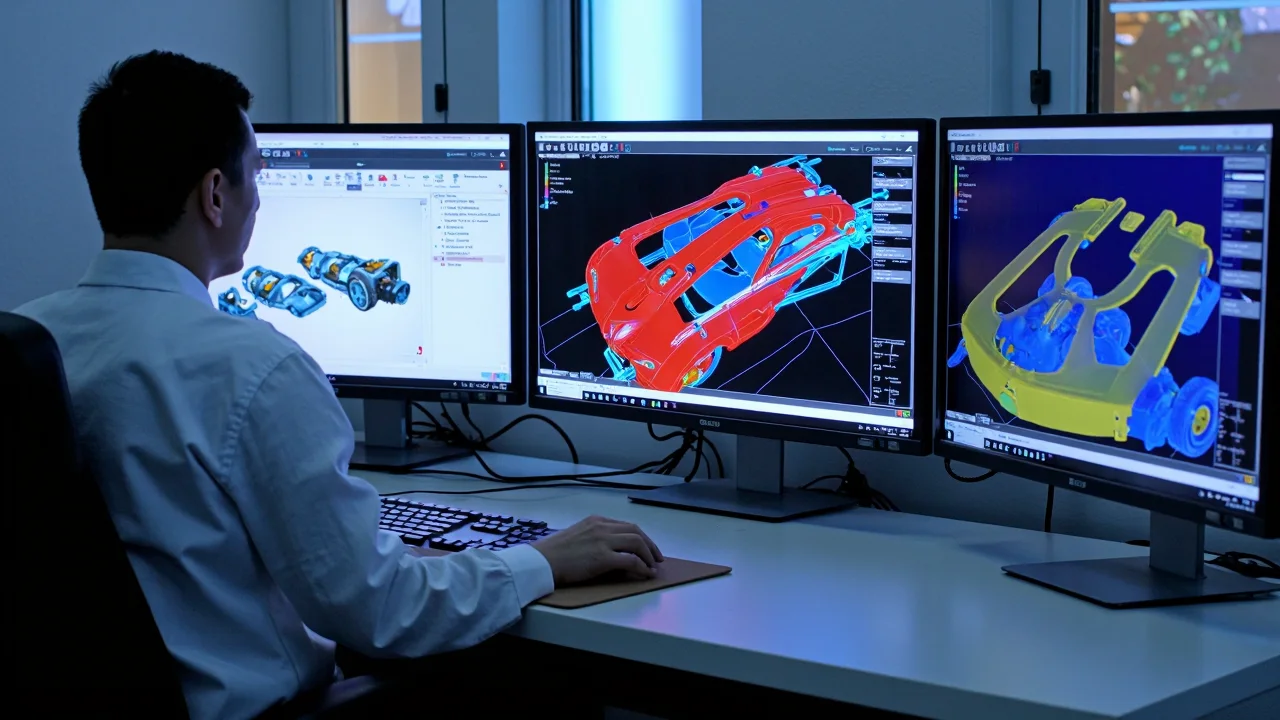
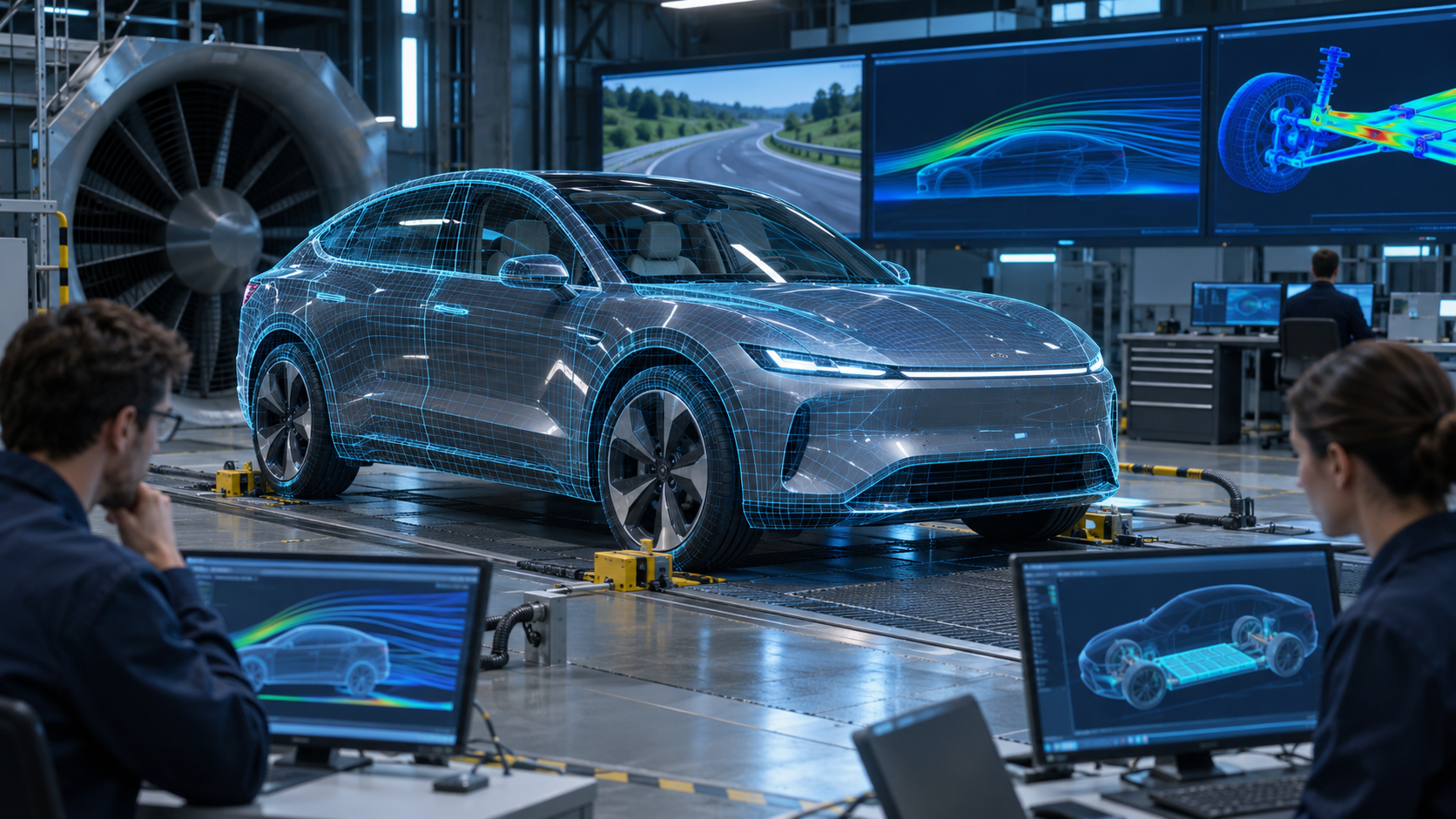
A virtual environment can present a vehicle concept, illustrate a station layout or provide the setting for an interactive exercise. The required assets and platform depend on whether the audience will watch a film, explore a scene or complete a defined task.
Visual realism should not be confused with engineering accuracy. A virtual vehicle presentation does not validate autonomous driving, certify safety or prove an operational saving. Those questions need suitable models, measurements and specialist review.
What evidence should a project report?
Agree the intended outcome and how it will be measured before starting a pilot. For passenger information, that might mean correct task completion, unresolved questions and successful staff handovers. For a visual prototype, it might mean which design decisions reviewers could resolve.
A useful case study identifies the client or project, the delivered scope, the measurement period and the limits of the evidence. Ask whether an outcome was observed in a pilot, a controlled study or ongoing operations before comparing it with another service.
How do you brief a mobility experience?

Share the audience, setting, target device, existing visual assets and intended timeline. List the data sources and systems that might be connected, and identify who owns decisions about accessibility, privacy and passenger support.
Start with Mimic Mobility’s capabilities, then discuss the project brief. Confirm deliverables and integration responsibilities before describing the experience as operational.
Frequently asked questions
What should a transport pilot start with?
Choose one operating problem, a defined baseline and a responsible service owner.
Why does live data need a fallback?
A delayed or unavailable feed can produce misleading information. Show uncertainty and provide another route to help.
How should a model be checked?
Compare the model with suitable observations and document the conditions under which it can support a decision.
Does an illustrative application prove a deployment?
No. A deployment claim needs an identified project, scope and evidence of what was delivered.
Technical references
Read next
Planning a digital character or interactive environment? Discuss the audience, platform and project requirements with Mimic Mobility.