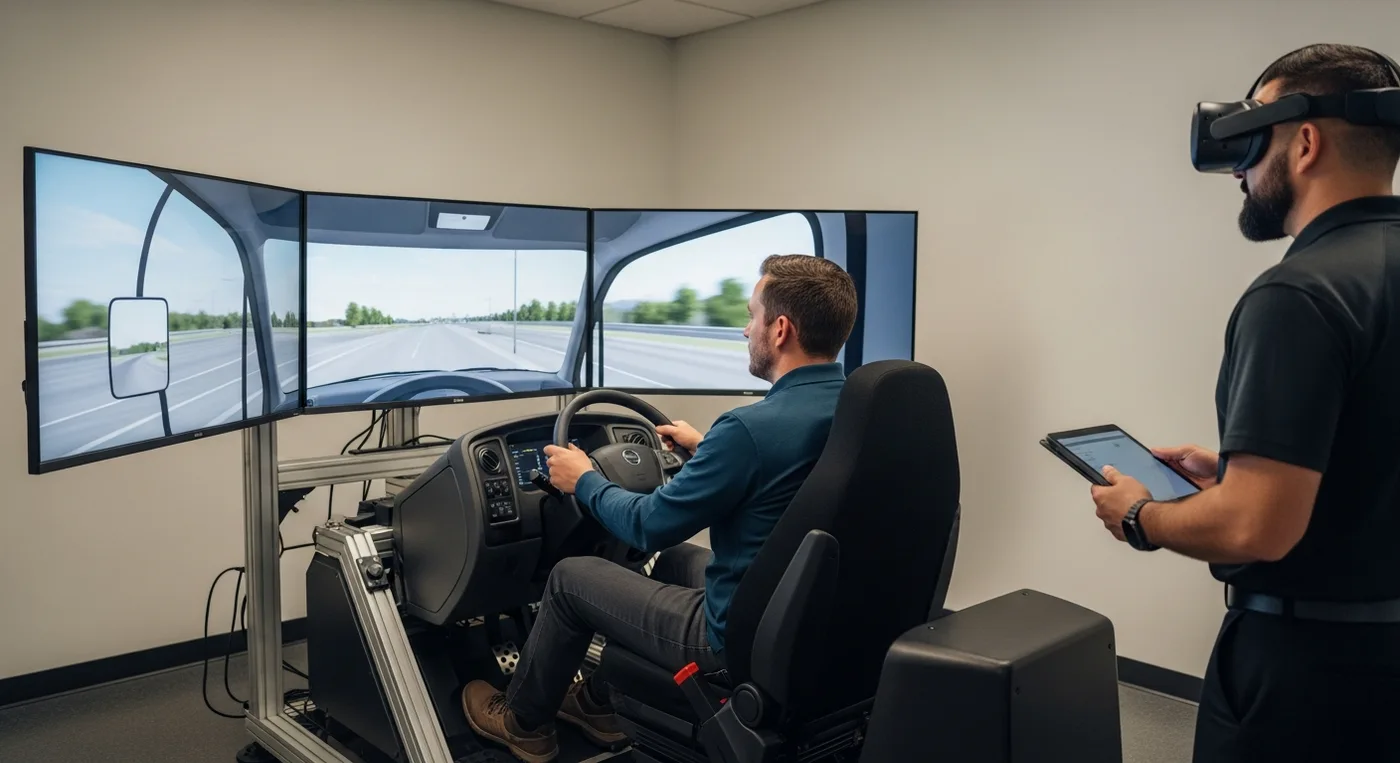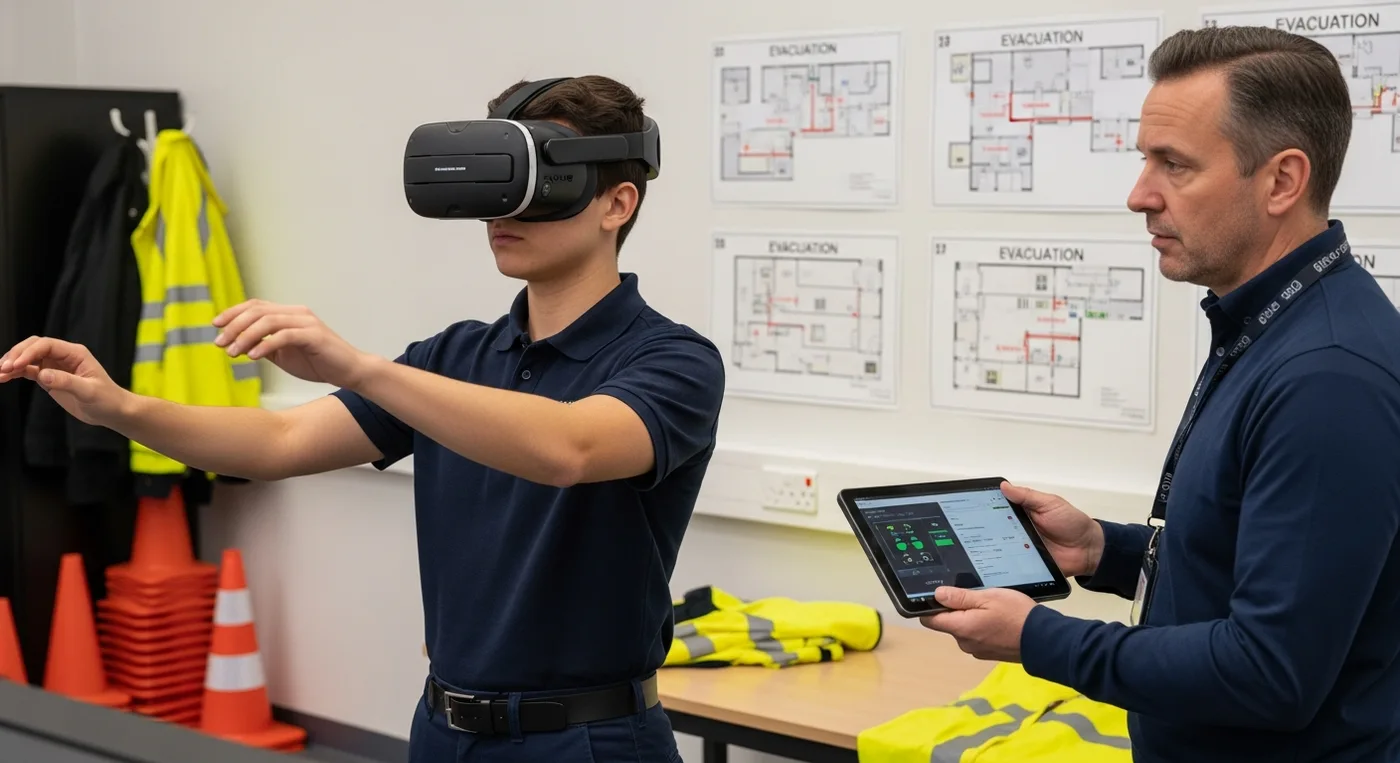

Mobility AI is only as trustworthy as the situations it has seen. Real-world data is essential, but it rarely captures every edge case: sudden curbside congestion, a sensor blocked by weather, a passenger with accessibility needs, a driver reacting late, or a station layout that changes behavior at peak time.
Synthetic data gives transport teams a controlled way to create those scenarios before they happen in the real world. By combining 3D simulation, digital twins, behavioral models, and operational data, teams can test AI systems faster and with less risk.
For Mimic Mobility, this is where simulation becomes practical: not a visual demo, but a validation environment for safer passenger support, smarter routing, in-vehicle assistants, and more resilient mobility operations.
Table of Contents
What Synthetic Data Means for Mobility AI
Synthetic data is artificially generated data designed to represent real operating conditions. In mobility, it can include vehicle movement, passenger flows, camera views, sensor readings, trip demand, ticketing events, kiosk interactions, driver behavior, and environmental variation.
The point is not to replace real data. The stronger approach is to use synthetic data to extend it. Real-world inputs ground the model. Simulation expands the range of testable situations. Together, they help teams validate systems that would be too slow, expensive, unsafe, or rare to test only on live streets and transport networks.
This is especially useful when building AI for safety-sensitive mobility use cases: AI navigation assistants, passenger-facing avatars, driver support tools, airport kiosks, traffic prediction, fleet training, and operational decision systems.
Why Mobility Teams Need Simulated Data
Transportation is full of long-tail conditions. A model may perform well on normal weekday traffic but fail during construction, heavy rain, emergency diversions, event surges, inaccessible station routes, or unusual passenger behavior. Those cases matter because they are often when travelers and operators need the system most.
Synthetic mobility data helps teams test rare or risky scenarios repeatedly. Instead of waiting months for enough examples, a simulation environment can generate thousands of variations across lighting, weather, crowd density, route layout, sensor position, and user behavior.
Safer validation before live pilots or public deployment.
Faster testing of edge cases that rarely appear in real datasets.
More balanced datasets for accessibility, weather, language, and user-intent variation.
Lower operational disruption because teams can test inside simulation first.
Clearer measurement of readiness across scenarios, not just average performance.

Synthetic vs. Real-World Testing
Synthetic data is most powerful when teams understand where it fits. Real-world data proves that the system reflects actual operations. Synthetic data lets teams stress-test the system beyond what the current dataset already contains.
Real-world testing: best for grounding models in actual demand, routes, infrastructure, fleet behavior, and passenger interactions.
Synthetic testing: best for expanding scenario coverage, rare events, controlled experiments, privacy-safe testing, and rapid iteration.
Hybrid validation: best for production readiness because it combines operational truth with deliberate stress testing.
A mobility digital twin can become the bridge between both worlds. The live network provides constraints and calibration. The simulated environment lets teams vary conditions and compare outcomes before changing a real service, route, interface, or support workflow. This complements mobility digital twin planning rather than duplicating it.
Where Synthetic Data Fits in the Mobility Journey
Synthetic data can support the whole AI development journey, from early discovery through post-launch monitoring. It is not only a model-training tool. It is also useful for product design, operational planning, interface testing, staff training, and risk review.
Discovery: identify the passenger, driver, operator, or fleet problem that needs a simulated test environment.
Design: create scenario libraries for routes, hubs, vehicles, touchpoints, and user needs.
Validation: measure model behavior under normal, busy, disrupted, and rare conditions.
Pilot: compare simulated results with live observations and close gaps.
Optimization: keep testing new demand patterns, service changes, and operating risks after launch.
High-Value Use Cases for Operators and Automakers
The strongest use cases are the ones where live testing is slow, expensive, sensitive, or unsafe. Synthetic data gives teams a repeatable way to understand how AI behaves before passengers, drivers, or staff depend on it.
In-vehicle AI assistants: test spoken requests, driver distraction risk, cockpit context, and handoff behavior alongside automotive HMI testing
Passenger support avatars: generate multilingual, accessibility, delay, ticketing, and wayfinding scenarios for AI avatars in mobility
Kiosks and hub automation: stress-test self-service flows during cancellations, crowds, weather events, and service disruptions, extending the logic behind AI kiosks for transport hubs
Routing and fleet decisions: simulate congestion, demand shifts, depot constraints, and last-mile delivery conditions, building on AI transportation routing
Passenger-flow planning: model how people move through gates, platforms, curb zones, ticketing areas, lifts, and interchanges before changing physical operations.

Data Requirements Before You Start
Synthetic data quality depends on the quality of the assumptions behind it. A beautiful simulation that ignores operational constraints will produce weak validation. Teams should start with a practical data checklist before generating scenarios.
Network geometry: roads, tracks, intersections, platforms, curb zones, gates, entrances, exits, and transfer points.
Demand patterns: trip volumes, peak periods, passenger types, fleet schedules, dwell times, and service disruption history.
Behavioral rules: driver response, pedestrian movement, boarding behavior, staff handoff, queueing, and accessibility needs.
Sensor and interface inputs: camera placement, vehicle signals, mobile app events, kiosk interactions, ticketing logs, and operational alerts.
Validation labels: definitions of safe behavior, successful assistance, acceptable delay, false alarm, escalation, and recovery.
If a team is already collecting inputs for traffic or hub modeling, those assets can become the basis for a stronger synthetic dataset. The same discipline described in traffic simulation data collection applies here: define the decision first, then collect the evidence needed to test it.
Implementation Roadmap for Synthetic Mobility Data
A good rollout starts small and measurable. The goal is not to simulate an entire city on day one. The goal is to pick a mobility AI decision, create a controlled scenario set, test it rigorously, and then expand once the process is trusted.
Define the AI behavior to validate, such as route recommendations, passenger support responses, driver alerts, crowd predictions, or kiosk escalation logic.
Map the real operating context by gathering routes, spaces, schedules, interface flows, historical events, and constraints.
Build a scenario library covering normal days, peak demand, disruption, weather, accessibility, equipment failure, and rare edge cases.
Generate synthetic variations across lighting, density, language, behavior, sensor quality, vehicle mix, and timing.
Compare against real observations and calibrate the simulation until it reflects operational truth closely enough for the decision being tested.
Mistakes That Weaken AI Validation
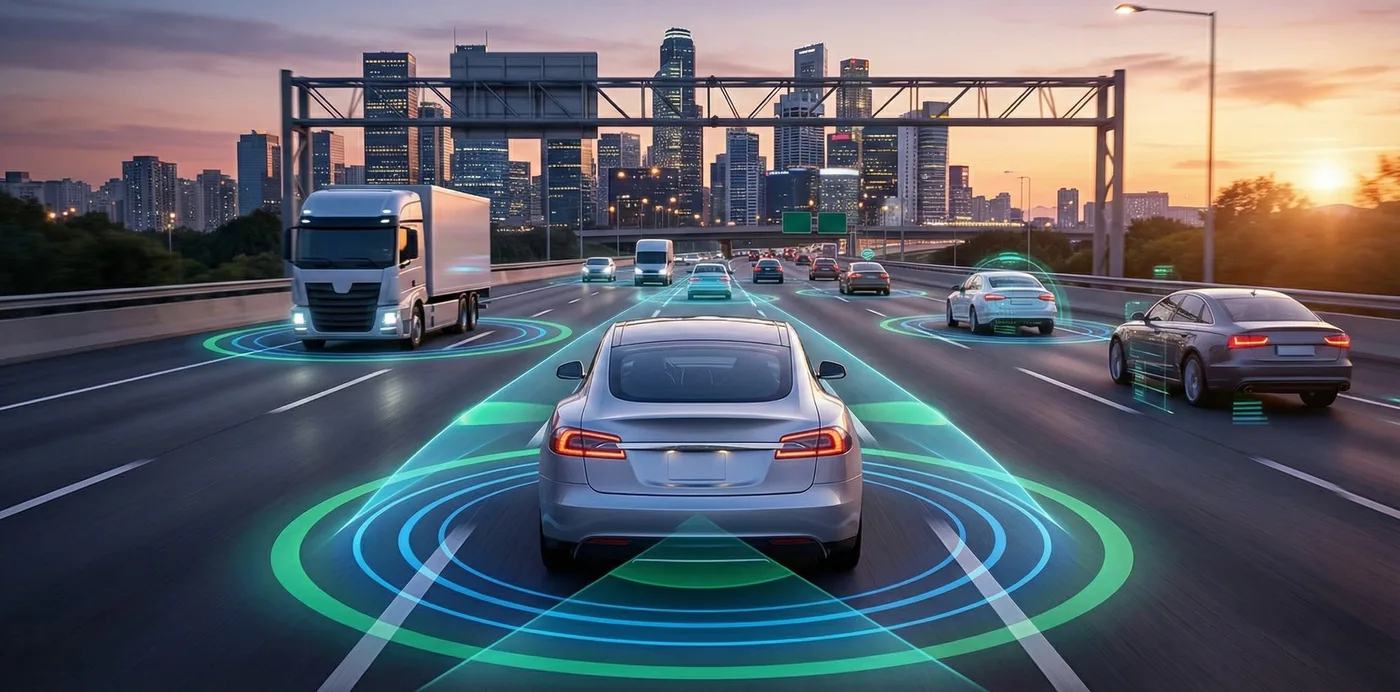
Synthetic data can create confidence or false confidence. The difference comes down to governance, calibration, and measurement. Mobility teams should avoid treating generated scenarios as automatically realistic.
Creating scenarios that look realistic but are not calibrated against actual operating data.
Testing only happy-path journeys while ignoring disruption, accessibility, and handoff failures.
Using synthetic data to hide gaps in real-world evidence instead of expanding coverage transparently.
Failing to document assumptions, scenario boundaries, and model limitations.
Measuring average accuracy while missing safety-critical failures in small but important scenario groups.
KPIs That Show Readiness and ROI
Synthetic data programs need business and safety metrics, not only model metrics. The right KPI set should show whether simulation is helping teams make better decisions, reduce risk, and move faster without lowering trust.
Scenario coverage: number and diversity of validated scenarios across normal, peak, disrupted, and rare conditions.
Failure discovery rate: how many meaningful model or workflow failures are found before live deployment.
Decision accuracy by segment: performance across passenger types, driver contexts, languages, locations, weather, and operating modes.
Pilot readiness: percentage of high-priority scenarios that meet agreed thresholds.
Operational impact: improvements in delay handling, support resolution, route efficiency, safety review time, staff workload, or incident response.
Iteration speed: time saved between identifying a gap, generating a scenario, testing a fix, and approving the next build.
Responsible AI, Privacy, and Safety
Synthetic data can reduce privacy exposure because teams can test many scenarios without using personally identifiable passenger records. That advantage is real, but it does not remove the need for responsible AI governance.
Teams should document how scenarios are generated, what real data informed them, where synthetic assumptions may introduce bias, and how safety-critical errors are handled. For public mobility systems, trust depends on transparent validation and clear human escalation pathways.
Use synthetic data to minimize unnecessary personal-data processing.
Separate scenario design from passenger identity wherever possible.
Include accessibility and inclusion cases as standard validation coverage, not optional extras.
Keep human review in workflows where AI affects safety, navigation, disruption handling, or passenger support.
Audit performance across groups and contexts instead of relying on aggregate scores.

Future Trends for Simulation-Led Mobility AI
The next phase of mobility AI will be shaped by simulation-led development. Operators and automakers will increasingly use digital twins, synthetic journeys, and scenario libraries before changing live services. This will make AI programs more measurable and less dependent on trial-and-error deployment.
Expect to see more closed-loop systems where live operational data updates the simulation, the simulation tests new AI behaviors, and approved changes return to the real network. For mobility leaders, that creates a practical path from experimentation to safer production systems.
FAQ
What is synthetic data for mobility AI?
It is artificially generated data that represents transport scenarios such as traffic, passenger movement, driver behavior, sensor inputs, and service disruptions. Teams use it to train, test, and validate AI systems before relying on them in live environments.
Does synthetic data replace real-world transport data?
No. The best approach combines both. Real-world data grounds the model in actual operations, while synthetic data expands coverage across rare, risky, or expensive-to-capture scenarios.
Why is synthetic data useful for transport operators?
It helps operators test AI systems against disruption, crowding, accessibility needs, weather, routing changes, and safety-sensitive events without waiting for those events to occur naturally.
Can synthetic data help with AI in-vehicle assistants?
Yes. It can generate cockpit, driver-attention, voice-command, route-change, and hazard scenarios that help teams validate assistant behavior before live road testing.
How does synthetic data support passenger experience?
It lets teams test wayfinding, kiosk support, avatar conversations, accessibility journeys, multilingual requests, and crowd conditions before passengers experience them in real hubs or vehicles.
What data is needed to create good mobility simulations?
Teams usually need network geometry, demand patterns, schedules, behavioral rules, sensor assumptions, interface flows, historical incidents, and clear success metrics.
What are the biggest risks of synthetic mobility data?
The biggest risks are unrealistic assumptions, weak calibration, hidden bias, overconfidence, and testing scenarios that look impressive but do not reflect real operational decisions.
How should teams measure synthetic data programs?
Useful KPIs include scenario coverage, failure discovery rate, pilot readiness, accuracy by segment, operational impact, safety-review time, and iteration speed.
Is synthetic data privacy-friendly?
It can reduce reliance on personally identifiable records, but teams still need governance, documentation, bias checks, and clear rules for how real data informs synthetic scenarios.
Conclusion
Synthetic data gives mobility teams a safer way to test AI before it touches live passengers, drivers, vehicles, and operations. When it is grounded in real data and paired with strong simulation, it can reveal failure modes earlier, improve scenario coverage, and make AI validation more transparent.
Mimic Mobility helps teams turn simulation, AI avatars, and mobility digital twins into practical validation environments for smarter transport systems. Explore Mimic Mobility or browse more insights on the Mimic Mobility blog.