

How can transport teams connect planning, booking, payment, live operations, and support into one reliable passenger journey?
Mobility as a Service promises a simpler way to travel across buses, rail, shared vehicles, cycling, taxis, and other modes. Instead of forcing passengers to assemble each leg separately, a MaaS platform can coordinate discovery, booking, payment, updates, and assistance. Delivering that promise requires more than placing several options on one screen.
This guide gives transport authorities, operators, mobility providers, and technology teams a practical six-step framework. It explains how to define the model, design the passenger journey, integrate data, coordinate payment, apply AI responsibly, and scale through measurable pilots.
Table of Contents
1. Understand the Mobility as a Service Model
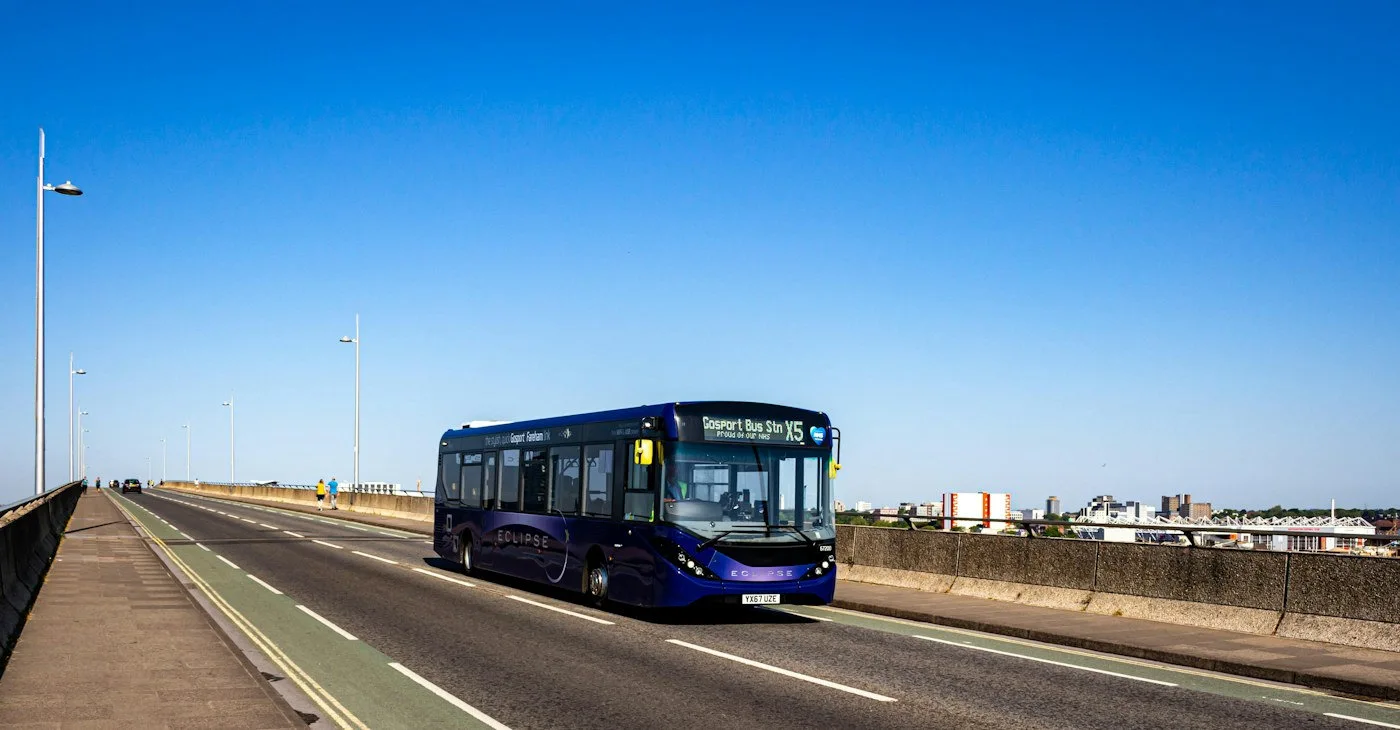
Mobility as a Service, usually shortened to MaaS, brings different transport options into one coordinated digital experience. A passenger can discover a journey, compare modes, plan connections, receive live updates, book, pay, and get support without navigating a separate process for every operator. The concept can include public transport, demand-responsive services, taxis, car sharing, bike sharing, scooters, parking, and selected long-distance services.
The real change is operational as well as digital. A polished app cannot compensate for disconnected timetables, inconsistent fares, missing accessibility information, or poor disruption handling. MaaS requires operators and partners to agree how journey data, availability, payment, identity, customer support, and service rules work together. The passenger experience is the visible result of that cooperation.
A practical programme starts with a defined travel problem. A city may want to improve first-and-last-mile access, reduce private-car journeys, simplify regional ticketing, or support visitors who do not understand the local network. This focus guides which modes and capabilities belong in the first release. Trying to integrate every possible provider at once usually increases cost and delays learning.
Success should be measured through outcomes such as completed multimodal journeys, connection reliability, accessible-route confidence, customer-support resolution, conversion from planning to payment, and repeat use. Download counts alone do not show whether the service makes travel easier or changes behaviour.
MaaS often depends on reliable roadside and station information, so the guide to smart bus stops is a useful companion for physical touchpoints.
2. Design the End-to-End Passenger Journey

Map the complete passenger journey before selecting technology. Begin with a real origin and destination, then include discovery, comparison, booking, payment, boarding, transfers, arrival, receipts, refunds, and support. Note every point where the passenger changes mode, provider, language, payment method, or accessibility requirement. These handoffs create most of the friction that MaaS must solve.
Journey planning should show more than the fastest route. Passengers may value a step-free path, fewer transfers, lower cost, protected cycling, predictable waiting time, or a lower-emission choice. Let users express these preferences and explain why the system recommends an itinerary. Clear trade-offs create trust, especially when one route is slower but better suited to the person's needs.
Plan for uncertainty from the beginning. Vehicles run late, shared bikes become unavailable, lifts close, and weather changes demand. The system should monitor the booked journey, recognise when a connection is at risk, and offer a realistic alternative with updated cost and arrival time. Support must continue across provider boundaries instead of sending the passenger from one help desk to another.
Accessibility belongs in the core data model. Include step-free access, boarding assistance, platform changes, audible and visual information, walking distance, lift status, and enough transfer time. Test journeys with disabled passengers, older travellers, tourists, caregivers, and people with limited digital confidence. Their experience often exposes weaknesses that affect everyone.
For hubs where crowding affects transfers, see the practical guide to passenger flow simulation and use its findings when setting connection times.
The article on conversational AI for accessible travel shows how assistance can support different languages and abilities.
3. Build the Data and Integration Foundation

MaaS depends on shared, timely, and understandable data. Core inputs include routes, stops, timetables, real-time vehicle positions, service alerts, availability, fares, booking rules, accessibility attributes, and payment status. Each source needs an owner, update frequency, quality threshold, and fallback. A technically valid feed can still be unusable if key fields arrive late or use inconsistent definitions.
Use stable interfaces and common transport standards where they fit, then document extensions carefully. Create a canonical model that can translate differences between providers without erasing important rules. Version interfaces, monitor failures, and maintain test environments so changes do not break live journeys. Integration contracts should specify latency, uptime, correction responsibilities, and support routes.
Identity and consent need a deliberate design. Decide whether a passenger can browse anonymously, when an account is required, and how permissions move across partners. Collect only the information needed to deliver the service. Separate operational data from marketing choices, protect payment credentials, and give users clear control over saved journeys, profiles, and communication preferences.
Data quality should be visible to operations teams. Dashboards can track stale positions, missing departures, fare mismatches, failed bookings, and unconfirmed cancellations. When confidence is low, the passenger interface should say so rather than present uncertain information as fact. Honest status messages help users make safer decisions and reduce avoidable support contacts.
Operators can model shared network state with mobility digital twins before exposing recommendations to passengers.
For broader modelling choices, compare the platforms described in transport simulation software.
4. Coordinate Booking, Ticketing, and Payment

A MaaS journey becomes valuable when a passenger can act on the plan. Decide which modes can be reserved, which issue tickets instantly, which require validation, and which are paid after use. The interface should make contractual relationships clear: who supplies each service, what the fare includes, and who handles a refund or complaint.
Integrated payment can use pay-as-you-go charging, prepaid credit, subscriptions, bundles, mobility budgets, or employer benefits. Choose a model that passengers can understand before travel. Show price changes, deposits, cancellation rules, and extra charges early. A single checkout is convenient only when the final statement and refund process remain transparent.
Ticketing must work under imperfect conditions. Define what happens when a gate is offline, a phone battery fails, a booking confirmation is delayed, or a traveller loses connectivity underground. Provide secure offline evidence where possible and train inspection staff to recognise it. Fraud controls should protect revenue without creating excessive barriers for legitimate passengers.
Revenue settlement happens behind the passenger interface. Partners need agreed rules for commissions, taxes, cancellations, partial journeys, chargebacks, and service failures. Reconcile transaction and usage records automatically, but establish an exception process for disputed events. Finance, operations, and customer service should work from the same traceable journey record.
The existing guide to AI in ticketing explains how automation can improve speed while preserving security and support.
For journeys that include charging stops, review connected mobility services for EV charging.
5. Use AI for Operations and Passenger Support
AI can improve MaaS when it is attached to a clear operational decision. Forecasting can estimate demand, crowding, vehicle availability, and connection risk. Optimisation can suggest fleet positioning or alternative routes. Conversational systems can answer journey questions, explain fares, translate information, and guide passengers during disruption. Each use case needs defined data, confidence thresholds, and human escalation.
Recommendations should account for current capacity and service reliability. Sending many passengers toward the same replacement service may create a second problem. Combine live operations data with business rules, accessibility constraints, and network-wide effects. Where a recommendation is uncertain, show alternatives and let the passenger choose.
Customer support needs continuity. An assistant should recognise the booked journey, current disruption, tickets held, and actions already attempted, provided the passenger has consented. It should resolve routine requests and transfer complex or sensitive cases to a person with context intact. Safety incidents, discrimination reports, payment disputes, and accessibility failures require clear escalation paths.
AI systems also need monitoring. Track incorrect answers, failed intents, unsafe recommendations, bias across languages or user groups, and the quality of handovers. Review training content and policies whenever services change. A useful assistant stays within approved information, communicates uncertainty, and never invents transport status.
See how AI avatars in mobility can provide consistent assistance across vehicles, stations, and kiosks.
6. Pilot, Measure, and Scale the MaaS Platform

Start with a bounded pilot that includes a meaningful journey rather than a disconnected feature demo. Choose a corridor, district, employer group, airport connection, or event where several modes solve a visible problem. Include enough passengers and operating conditions to test peak periods, accessibility, weather, disruption, and customer support.
Define baseline measures before launch. Compare planning time, failed transfers, support contacts, payment completion, refund time, route confidence, and repeat use with the existing experience. Combine analytics with interviews and observed journeys. A rise in app activity is positive only when it corresponds with reliable travel and useful modal choices.
Run operational exercises before public release. Simulate a cancelled train, unavailable shared vehicles, incorrect fare, payment outage, closed lift, and sudden crowding. Confirm who receives alerts, which recommendations change, how partners communicate, and when humans take control. Exercises reveal ownership gaps that normal demonstrations miss.
Scale in stages. Add providers, modes, geography, and commercial models only after the current service meets reliability and support targets. Maintain a roadmap for technical debt, data contracts, accessibility improvements, security testing, and partner onboarding. MaaS becomes durable through governance and daily operations, not through a one-time launch.
The workflow for real-time mobility digital twins and service recovery can help teams rehearse disruptions before scaling.
Mimic Mobility's guide to mobility innovation trends provides additional context for long-term platform planning.
Frequently Asked Questions
What does Mobility as a Service mean?
Mobility as a Service combines journey planning, booking, payment, live information, and support for multiple transport modes in one coordinated experience. It also requires operational agreements between providers behind the interface.
Is MaaS only a mobile app?
No. An app may be the main channel, but MaaS also depends on data integration, fare rules, service coordination, payment settlement, customer support, accessibility, and governance. It can also appear through websites, kiosks, vehicles, and conversational assistants.
Which transport modes can a MaaS platform include?
A platform may combine buses, trains, trams, demand-responsive transport, taxis, car sharing, bike sharing, scooters, parking, ferries, and long-distance travel. The first release should include the modes needed to solve a defined passenger problem.
How does MaaS make money?
Common models include transaction commissions, subscriptions, licensing, employer mobility budgets, public-service contracts, and partner fees. The model must align with passenger value, fair provider participation, and transparent pricing.
What data is required for MaaS?
Typical data includes stops, routes, schedules, live positions, disruptions, vehicle or shared-mode availability, fares, booking rules, accessibility attributes, payments, and support status. Each source needs ownership and quality monitoring.
How can MaaS support accessible travel?
It can prioritise step-free routes, provide lift and platform status, allow additional transfer time, offer multilingual or multimodal guidance, and coordinate assistance. Accessibility information must be accurate, current, and tested with users.
Where can AI help a MaaS platform?
AI can forecast demand and crowding, estimate connection risk, recommend alternatives, support passengers, translate information, and help operations teams recover from disruptions. Humans should oversee high-impact decisions and exceptions.
How should a city start a MaaS pilot?
Choose one clear travel problem and a bounded geography or user group. Integrate a small but useful set of modes, define baseline measures, test disruptions and accessibility, and scale only after reliability and support targets are met.
What are the biggest MaaS implementation risks?
Common risks include poor data quality, unclear partner responsibilities, confusing fares, failed handoffs, weak accessibility, privacy concerns, unreliable recommendations, and no owner for cross-provider customer issues.
Conclusion
Mobility as a Service succeeds when the passenger experiences one coherent journey and the organisations behind it share reliable data, clear responsibilities, and measurable service standards. Begin with a real travel problem, integrate only what the first use case needs, test difficult operating conditions, and expand from evidence.
Explore Mimic Mobility to discuss AI avatars, real-time 3D simulation, and intelligent mobility experiences for vehicles, stations, and transport networks.