

How is AI used in the automotive industry—and where does it create measurable value?
Artificial intelligence is moving from isolated experiments into the daily work of automotive manufacturers, suppliers, fleet operators, and public transport networks. It can help a vehicle perceive its environment, help an engineer test a design, help an operator anticipate maintenance, and help a passenger receive immediate personalized support.
This guide answers popular questions about AI in the automotive industry, explains high-value applications, and shows how mobility organizations can move from an appealing demo to a dependable production system. It connects these opportunities to Mimic Mobility’s work in AI avatars, real-time 3D simulation, and immersive mobility experiences.
Table of Contents
What Is AI in the Automotive Industry?

AI in the automotive industry means applying machine learning, computer vision, natural-language processing, predictive analytics, generative AI, and intelligent automation across the vehicle and mobility lifecycle. It is much broader than self-driving cars. The same technologies can support research, design, manufacturing, testing, sales, service, fleet operations, public transit, and passenger experience.
One useful framework separates perception, prediction, interaction, and generation. Perception systems interpret cameras, microphones, radar, lidar, and other sensors. Prediction systems estimate what may happen next, such as a component failure or a pedestrian entering a lane. Interaction systems let drivers and passengers communicate naturally with a vehicle or transit service. Generative systems help create designs, scenarios, responses, software, and synthetic training data.
At Mimic Mobility, these capabilities meet AI-powered digital humans and immersive 3D simulation. That combination matters because mobility systems must work technically, visually, emotionally, and intuitively for real people.
The strongest automotive AI projects begin with a specific decision or experience to improve rather than treating AI as the goal. Clear outcomes could include fewer service interruptions, faster prototype validation, safer training, lower support volume, better route guidance, or a more personalized cabin. Each outcome can be measured against a baseline, which makes investment and scaling decisions more credible.
What Are the Most Valuable Automotive AI Use Cases?
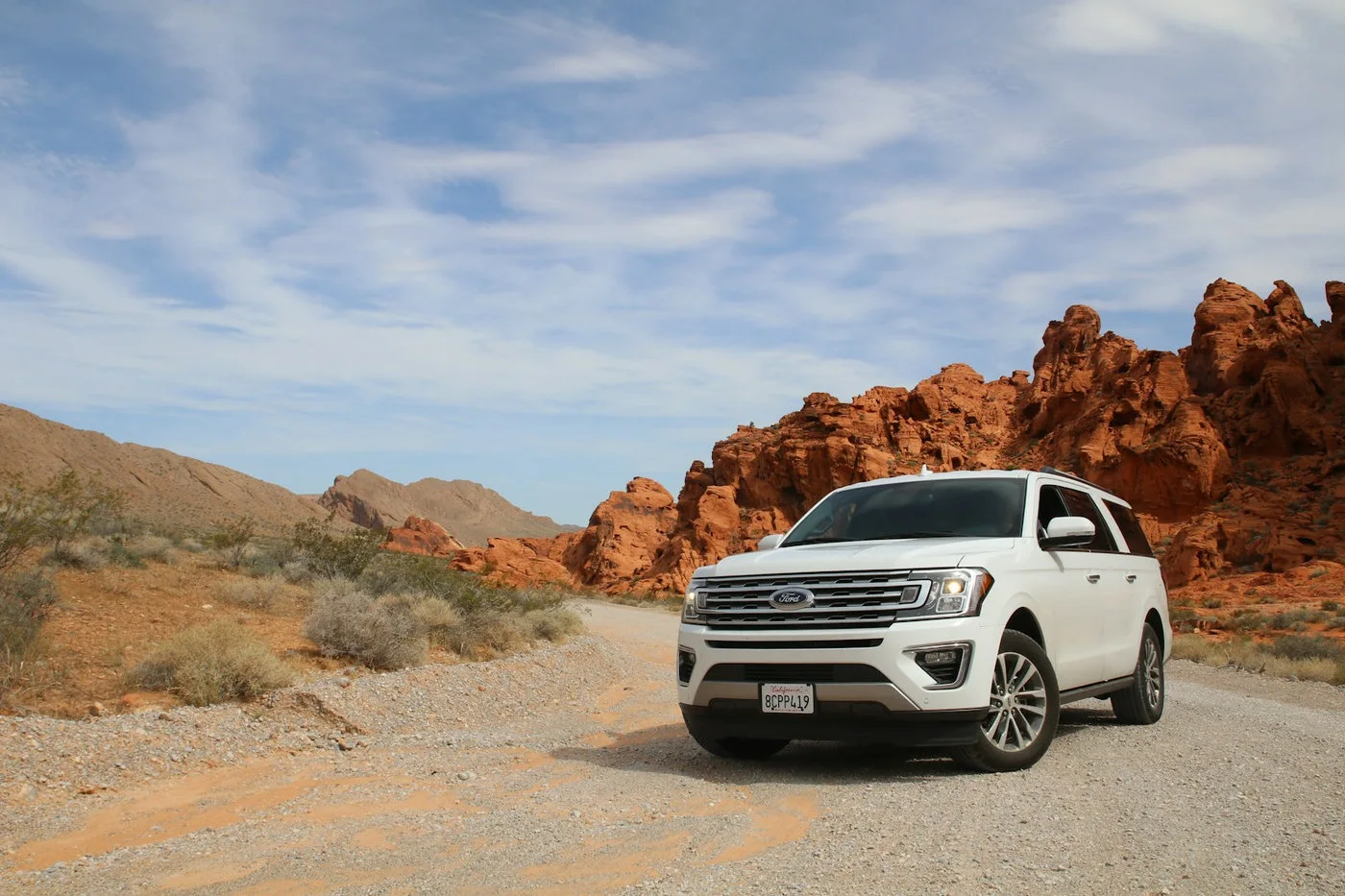
The most valuable automotive AI applications span the complete mobility ecosystem. Each has different data, integration, safety, and return-on-investment requirements. Organizations should prioritize a problem with a clear operational owner, an available baseline, and a realistic integration path.
Advanced driver assistance: computer vision and sensor fusion help detect lanes, vehicles, pedestrians, signs, blind spots, and driver-attention risks.
Predictive maintenance: models analyze telemetry and service history to identify unusual patterns, forecast failures, and schedule work before a breakdown.
AI-powered customer interaction: assistants answer questions, support ticketing, explain vehicle functions, provide navigation, and escalate complex cases.
Vehicle personalization: intelligent profiles adapt temperature, seating, entertainment, language, accessibility, and recommendations to an individual.
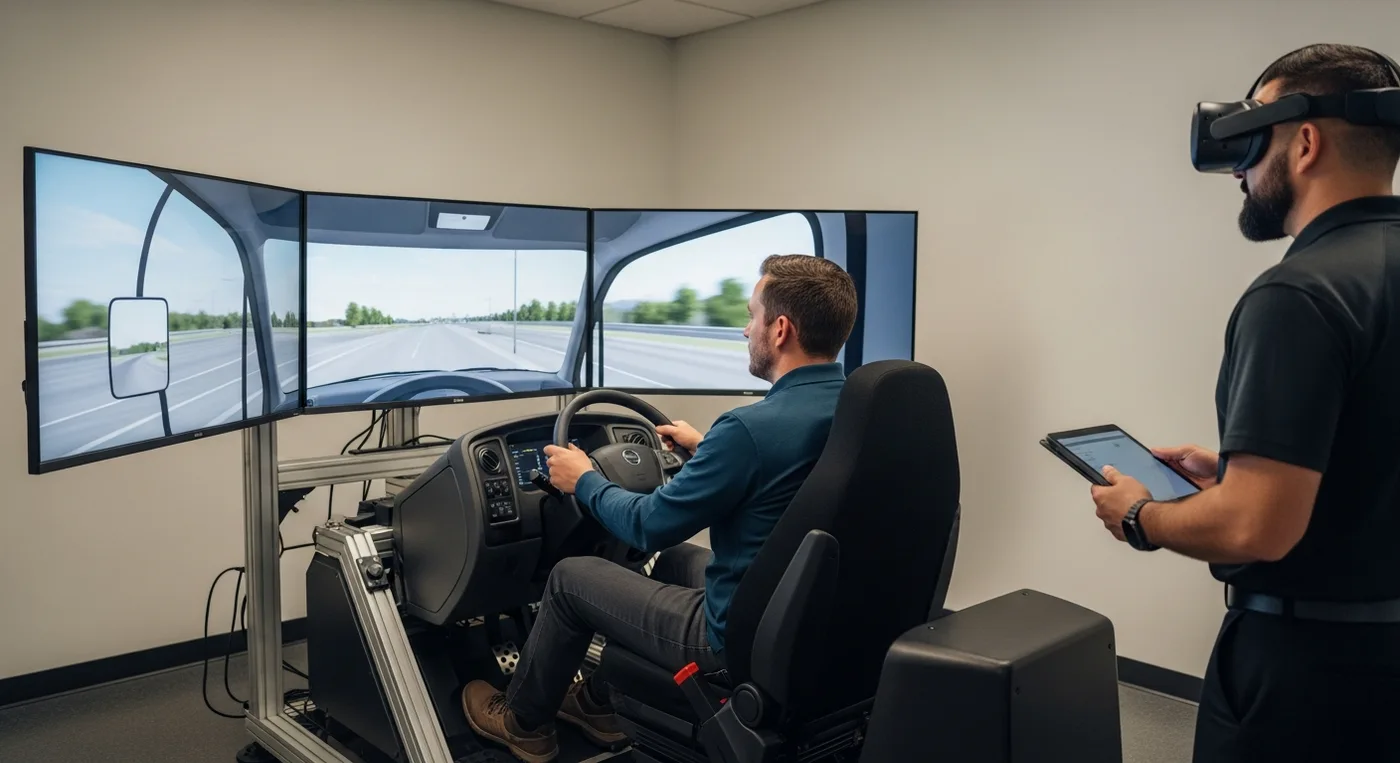
Virtual prototyping and testing: engineers evaluate ergonomics, interfaces, traffic situations, component behavior, and rare safety scenarios in repeatable digital environments.
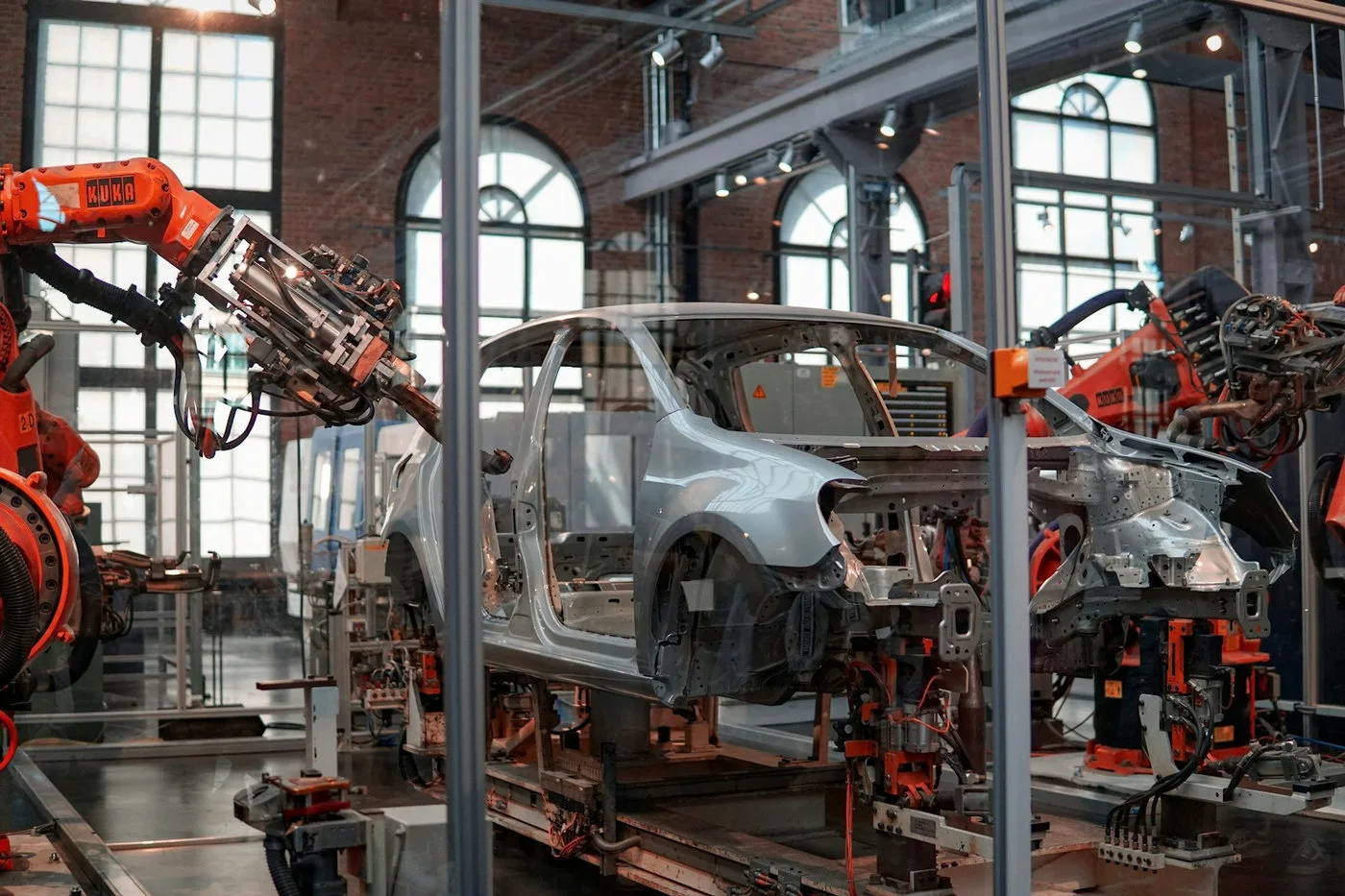
Smart manufacturing: vision systems inspect defects, robots adapt to variation, and analytics optimize process quality, energy consumption, and throughput.
Fleet and transit optimization: AI supports routing, demand forecasting, charging schedules, vehicle allocation, disruption management, and passenger communication.
These use cases often work better together. A predictive-maintenance model may identify a developing issue, while a conversational assistant explains the alert to a driver or technician. A simulation may expose confusing interface behavior, while eye tracking and user testing reveal where attention is lost. Connected workflows create more value than isolated models.
For a passenger-facing example, explore Mimic Mobility’s intelligent assistance and in-vehicle personalization. Engineering teams can examine virtual prototyping and photo-realistic driving simulation to see how AI and real-time 3D shorten the path between an idea and a tested experience.
What Benefits Does AI Bring to Mobility Companies?
The business case for automotive AI is strongest when benefits are tied to operational metrics. In development, simulation can reduce dependence on costly physical prototypes and make testing faster and more repeatable. In operations, predictive models can reduce unplanned downtime and help teams direct maintenance resources toward the vehicles or components with the greatest risk.
AI can improve safety, but it should be described precisely. A model does not make a system safe by default. It can expand hazard detection, surface patterns people might miss, and enable thousands of simulated scenarios. Safety still depends on engineering controls, validation, human oversight, secure integration, monitoring, and clear fallback behavior.
For passengers, the benefit is often simpler: less friction. A well-designed assistant can answer a route question in the user’s language, explain a delay, guide ticket purchase, adapt cabin preferences, or deliver calm instructions during a disruption. A recognizable digital human can make complex automation feel accessible rather than opaque.
Mimic Mobility supports this human-centered layer through custom AI characters, real-time communication, and 24/7 support experiences. Its mobility technology capabilities include face and eye tracking, motion capture, 3D scanning, AR, and VR—tools that help teams study attention, behavior, ergonomics, and interaction.
Other benefits include faster time to market, higher first-time-right quality, more consistent service, scalable multilingual support, stronger brand differentiation, and better use of operational data. Teams should select two or three metrics before a pilot begins. Examples include mean time between failures, prototype cycles, support response time, task completion, passenger satisfaction, error rate, or training time.
How Can Automotive Teams Implement AI Successfully?
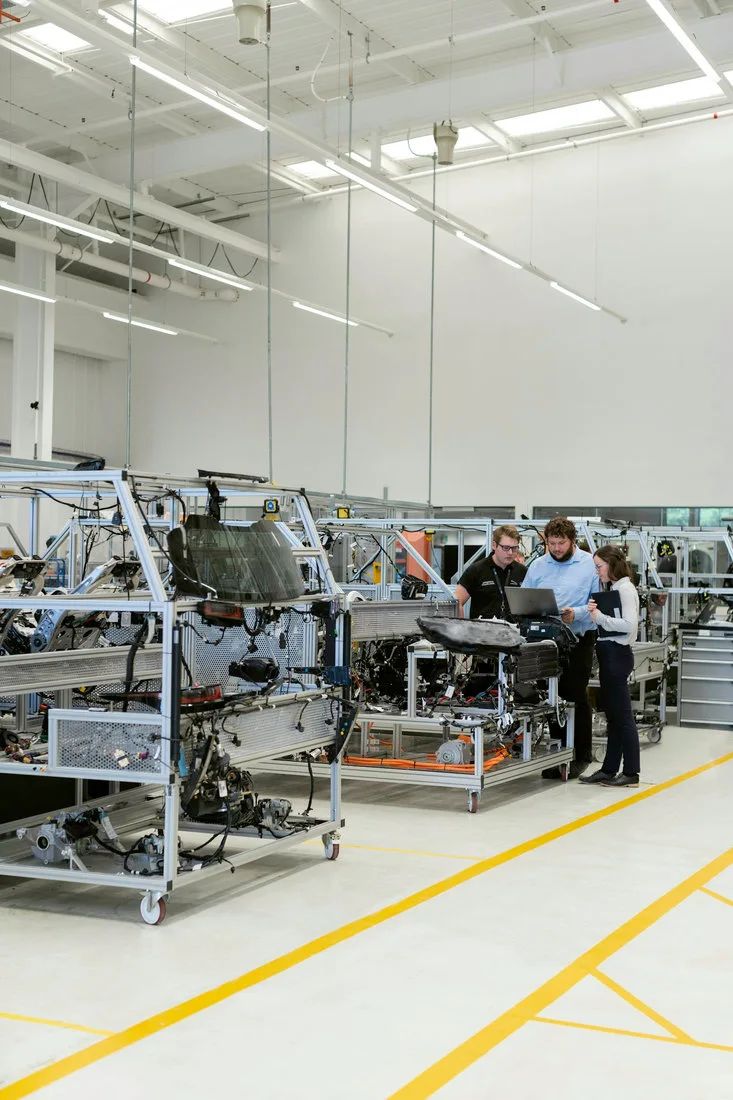
Successful implementation starts with a narrow, valuable workflow. Instead of attempting an enterprise-wide transformation, select one scenario with an owner, sufficient data, a defined user, and a realistic integration path. Examples include reducing repeated questions at one transit hub, detecting one manufacturing defect, or validating one driver-interface concept in simulation.
Define the outcome: document the current process, baseline cost, risk, time, quality, and user experience.
Assess data readiness: confirm quality, permissions, coverage, labeling, privacy, retention, and gaps.
Design the human role: decide who reviews outputs, handles exceptions, approves actions, and receives alerts.
Prototype the experience: test conversations, interfaces, visuals, and workflows with the people who will use them.
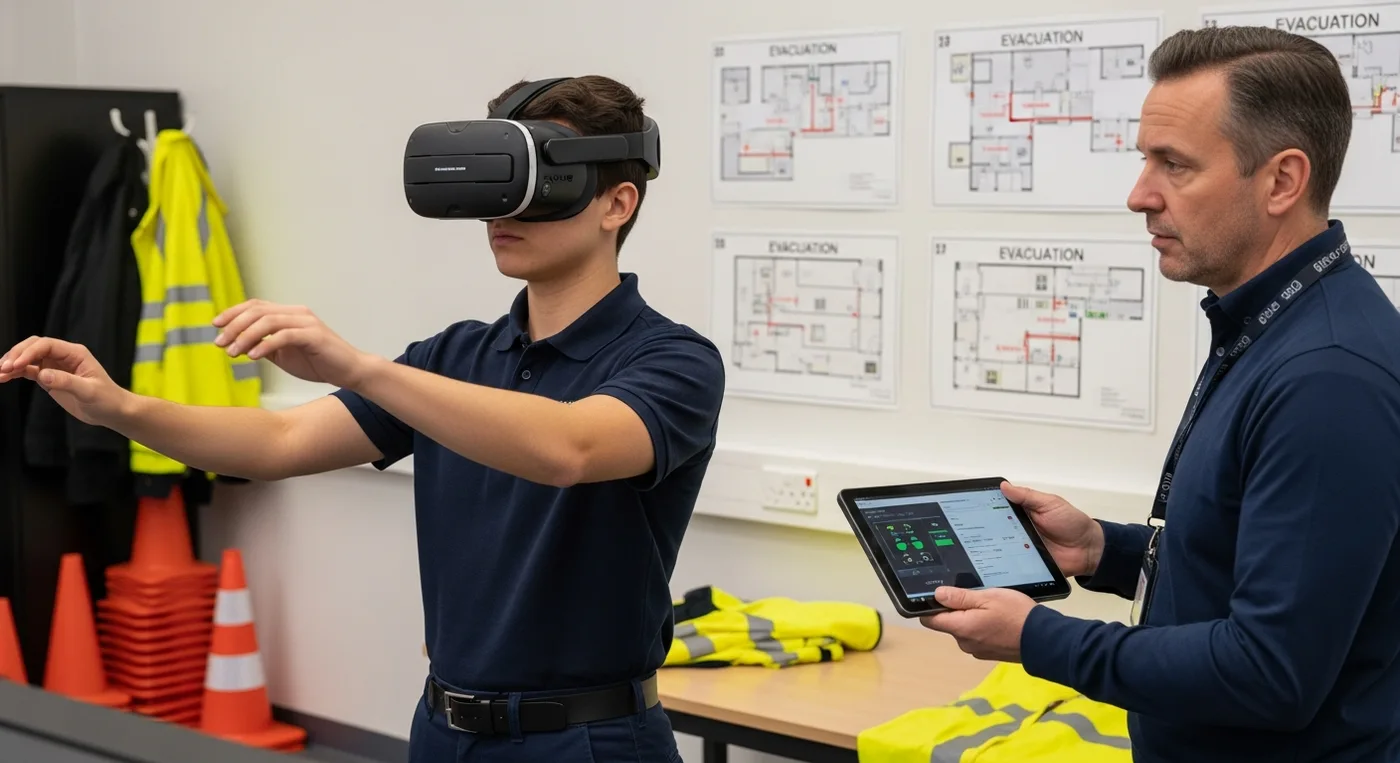
Validate realistic conditions: include edge cases, languages, noisy environments, accessibility needs, and failure scenarios.
Integrate securely: connect only required systems and data, apply access controls, and log important actions.
Measure and iterate: compare results with the baseline, monitor drift, collect feedback, and improve before scaling.
A passenger-facing assistant also needs brand and behavioral design. Tone, appearance, voice, language coverage, response boundaries, latency, accessibility, and escalation rules influence trust. A technically correct answer delivered awkwardly can still damage the experience. Teams should test both task success and how users feel about the interaction.
Governance belongs in the design phase. Identify restricted decisions, sensitive data, audit needs, retention limits, human-approval points, and fallback behavior before deployment. Define how the team will detect degraded performance and who can pause or change the system. These controls are especially important when AI influences safety, accessibility, payments, identity, or service eligibility.
Mimic Mobility’s custom AI avatar solutions can pair with 3D design, training, and operations simulations to test intelligence and experience before broad deployment. Organizations can also review the company’s background and mobility focus when evaluating fit.
What Is the Future of AI in the Automotive Industry?
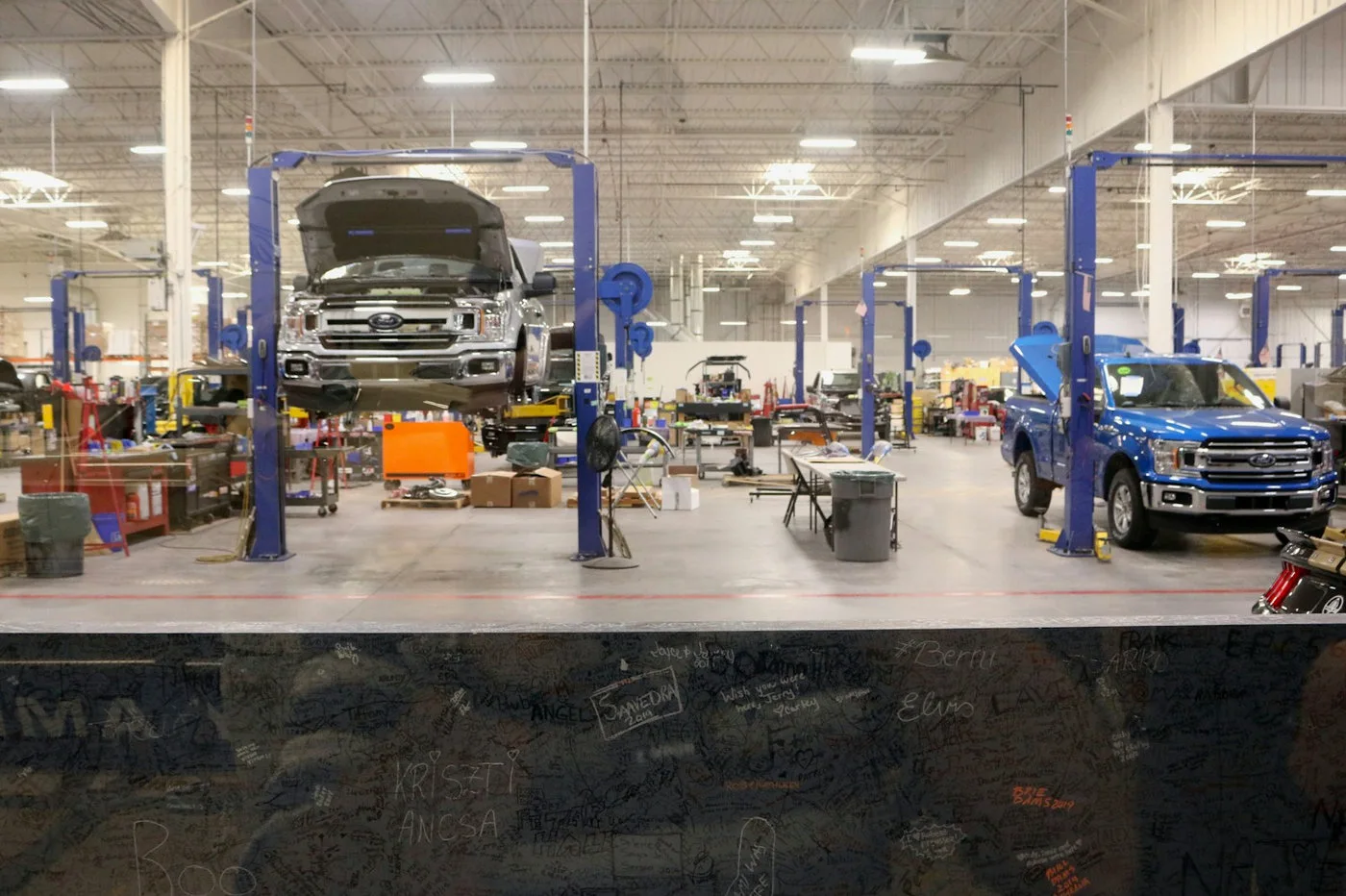
The future of automotive AI will be defined by connected systems rather than one spectacular feature. Vehicles, digital twins, factories, service platforms, charging networks, transit hubs, and customer channels will exchange more context. AI will translate that context into timely decisions and understandable interactions.
Generative AI will make interfaces more conversational and development workflows more adaptive. Engineers may create and vary simulation scenarios with natural language. Service teams may retrieve technical knowledge faster. Passengers may interact with one consistent assistant across a car, mobile app, kiosk, station, or call center. Digital humans may present that intelligence with a stable voice, appearance, and brand personality.
Simulation will become more important because real-world testing alone cannot cover every rare, dangerous, expensive, or rapidly changing situation. Synthetic environments can expose systems and people to controlled variations in weather, traffic, visibility, behavior, failures, and infrastructure. The goal is not to replace physical testing, but to make it more focused and informed.
Edge AI will bring more processing into vehicles and local infrastructure, reducing latency and limiting the need to send every piece of data to the cloud. Governance will become a competitive capability: organizations that document data lineage, test behavior, monitor performance, protect privacy, and communicate limitations will scale with greater confidence.
Mimic Mobility’s combination of AI avatars, real-time 3D simulations, and immersive automotive advertising places the brand at the intersection of intelligent systems, engineered experiences, and compelling communication.
How Should You Choose an Automotive AI Partner?
Choose a partner based on the complete problem, not a single model or demo. Automotive and transit deployments demand more than an impressive conversation or visualization. They require reliable real-time performance, strong 3D and interaction design, integration knowledge, multilingual experience, safety awareness, testing discipline, and the ability to work with existing teams and systems.
Ask partners to explain how they define success, handle uncertainty, protect data, validate edge cases, manage handoffs to people, and monitor performance after launch. Request a pilot plan with limited scope, named responsibilities, evaluation criteria, and a path from prototype to production. Strong partners should be comfortable identifying where AI should not make a decision.
For digital human projects, review character quality, lip synchronization, emotional expression, latency, brand control, language support, and behavior under stress. For simulation projects, assess visual fidelity, repeatability, physics and data integration, scenario authoring, analytics, and compatibility with the organization’s workflow.
Evaluate collaboration style as carefully as technical capability. Automotive programs cross engineering, operations, safety, design, IT, legal, marketing, and customer experience. A partner must translate between these groups, make tradeoffs visible, and leave the client with knowledge and operational control—not a black box.
Mimic Mobility brings together AI avatars, smart interfaces, 3D simulations, and immersive technology for automotive and public transport. Explore the full mobility offering or contact the Berlin team to discuss a focused use case and measurable pilot.
Frequently Asked Questions
How is AI used in the automotive industry?
AI supports driver assistance, predictive maintenance, manufacturing quality, personalized in-vehicle experiences, customer support, fleet optimization, and virtual testing.
What is an example of AI in a car?
A conversational in-car assistant that understands natural language, adjusts settings, explains warnings, finds routes, and gives context-aware help is a practical example.
How does AI improve automotive safety?
AI can analyze sensors to detect hazards, monitor driver attention, predict failures, and help engineers test dangerous or rare situations in simulation.
Can AI reduce vehicle development costs?
Yes. Virtual prototyping can reduce physical prototype cycles, reveal design issues earlier, and let teams repeat tests quickly before production.
What role do digital twins play in mobility?
A digital twin represents a vehicle, component, fleet, or environment digitally so teams can study performance, maintenance, user behavior, and operating scenarios.
Is generative AI useful for automotive companies?
It can accelerate concept exploration, technical knowledge retrieval, service support, conversational interfaces, requirements analysis, and synthetic scenario creation when outputs are governed and checked.
How long does an automotive AI pilot take?
A focused pilot may show value within weeks or months, while production timing depends on data, integration, safety, localization, testing, and governance.
Does automotive AI replace human workers?
The strongest deployments augment people. AI handles repetitive monitoring, search, prediction, and routine conversations while specialists retain judgment, safety responsibility, and escalation.
What data is needed for automotive AI?
Depending on the use case, teams may need sensor streams, service records, images, simulation data, interactions, telemetry, or schedules. Quality and permissions matter more than volume.
How can Mimic Mobility help?
Mimic Mobility combines AI avatars, real-time interaction, 3D simulation, immersive technology, and human-centered design for automotive and public transport applications.
Conclusion
AI in the automotive industry is creating value far beyond autonomous driving. It helps teams design and validate faster, maintain assets more intelligently, support passengers at scale, personalize journeys, and communicate complex information in a more human way. Organizations most likely to succeed will connect each initiative to a clear user need, operational metric, and responsible deployment plan.
Ready to explore an automotive AI use case? Discover Mimic Mobility’s AI avatars and 3D simulation services, then contact the team to plan a focused, testable mobility pilot.