Can automotive simulation help teams validate better vehicles before expensive physical testing begins?
Automotive simulation gives mobility teams a controlled digital environment for exploring vehicle behavior, human interaction, software, manufacturing choices, and safety scenarios. Instead of waiting for every physical prototype, engineers can investigate alternatives earlier, expose weak assumptions, and reserve track or laboratory time for the tests that truly need hardware.
For manufacturers, suppliers, transport innovators, and design teams, the value is not simply a prettier 3D model. The value is a repeatable decision system that connects virtual prototyping, immersive review, software validation, and real-world evidence. This guide explains where simulation fits, what it can test, how to build a credible workflow, and how to move from an attractive demo to dependable engineering insight.
Table of Contents
What Automotive Simulation Actually Means
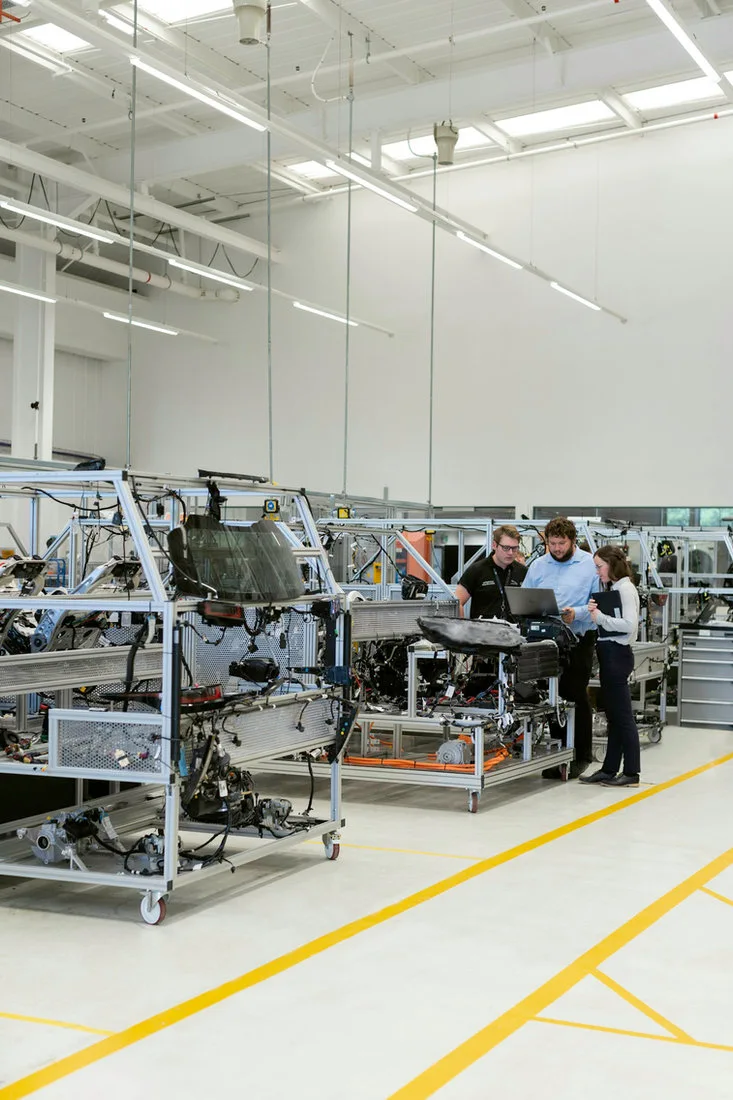
Automotive simulation is the use of digital models, interactive 3D environments, and calculated scenarios to study a vehicle, system, interface, or mobility service before—or alongside—physical testing. A model might represent vehicle dynamics, a cockpit, a sensor, a passenger flow, a manufacturing cell, an urban road, or the behavior of a human interacting with an intelligent assistant.
The scope matters. A visual model can help stakeholders understand design intent, but an engineering simulation must also define inputs, constraints, assumptions, and measurable outputs. Teams should know what the model is meant to predict, which variables are simplified, and how results will be checked against physical evidence. That clarity separates useful simulation from a compelling but untestable animation.
Automotive simulation commonly combines several layers:
A geometric and visual layer that represents the vehicle, cockpit, road, station, factory, or operating environment.
A behavior layer that defines how vehicles, sensors, software, people, and infrastructure respond to events.
A scenario layer that varies traffic, weather, lighting, component states, user behavior, or emergency conditions.
A measurement layer that records performance indicators such as reaction time, error rate, visibility, comfort, task completion, or safety margins.
A validation layer that compares simulated outcomes with bench, track, field, user-study, or production data.
For Mimic Mobility, this sits naturally beside its work in
immersive 3D simulations for mobility design and training
and the wider technology stack of tracking, scanning, AR, and VR. The result is a shared environment in which engineering and experience teams can review the same problem from different perspectives.
How the Automotive Simulation Workflow Works
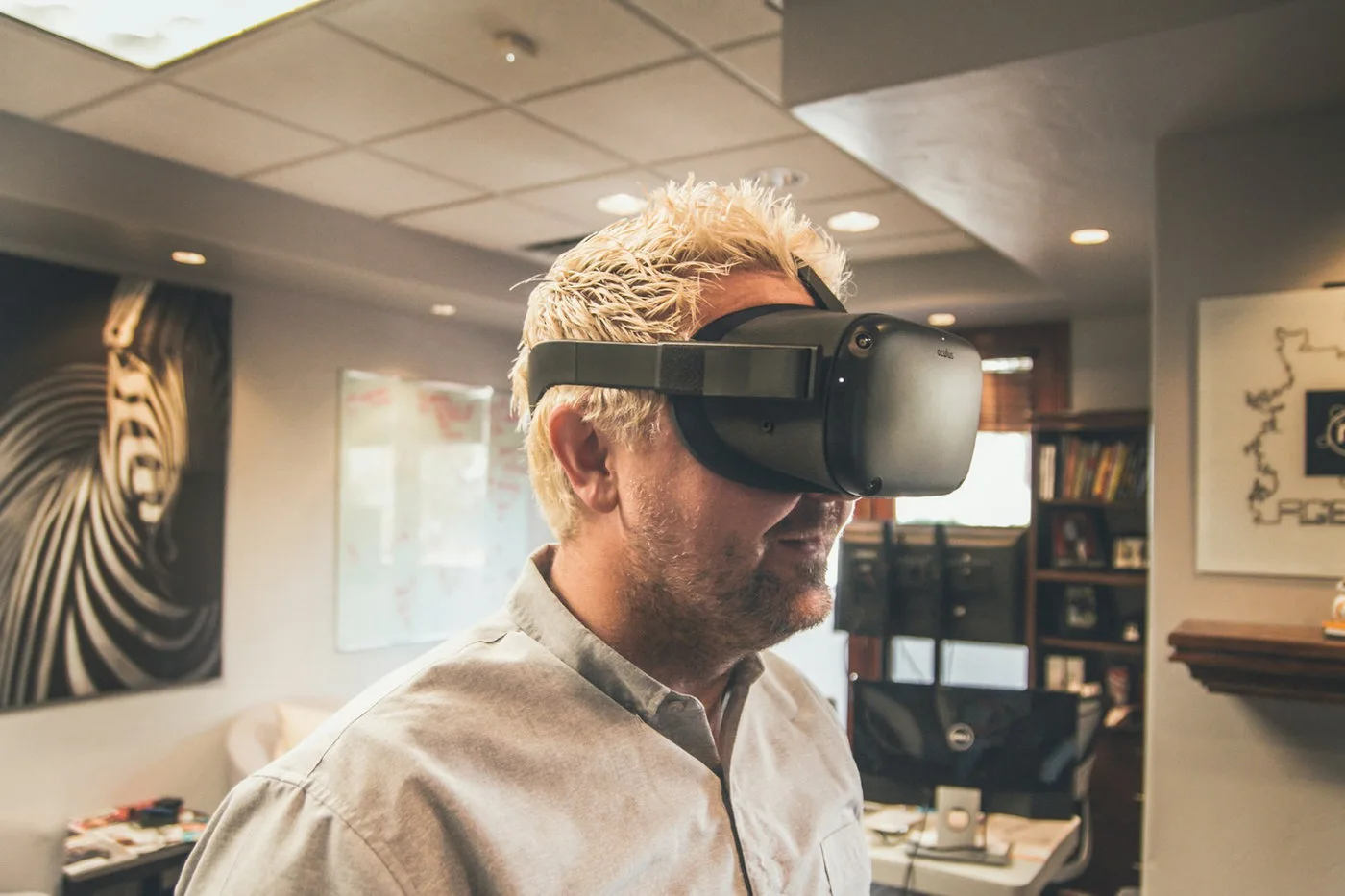
A strong automotive simulation workflow begins with a decision, not a tool. Teams first define what they need to learn: whether a driver notices a warning, whether a sensor remains reliable in glare, whether a service procedure is understandable, or whether a cabin concept supports a particular passenger group. The required fidelity follows from that question.
The first step is to establish the system boundary. List the vehicle functions, human roles, environments, data sources, and dependencies that influence the decision. A cockpit study may require accurate eye points, display brightness, control placement, speech timing, and driver workload, while a route-level mobility simulation may care more about network demand, service disruptions, dwell time, and fleet availability.
Next, create a baseline scenario and a small set of controlled variants. Changing too many variables at once makes results difficult to interpret. A better sequence tests one family of factors at a time—such as weather, traffic density, display design, or automation state—and records comparable measures. This makes virtual experiments repeatable and easier to explain to reviewers.
Then connect the simulation to the right level of software and hardware. Early concept work may use stand-alone interactive models. Later phases can incorporate production-intent HMI logic, sensor models, controller code, physical controls, or hardware-in-the-loop systems. The transition should be planned so evidence from early studies remains traceable as fidelity increases.
Finally, validate and calibrate. Compare selected scenarios with observations from prototypes, track tests, real operations, or user studies. When results diverge, investigate the model rather than hiding the mismatch. Updated assumptions and calibration records are part of the engineering asset. Teams exploring this path can review Mimic Mobility’s
and its broader
to understand how visual, behavioral, and tracking components can be combined.
High-Value Automotive Simulation Use Cases
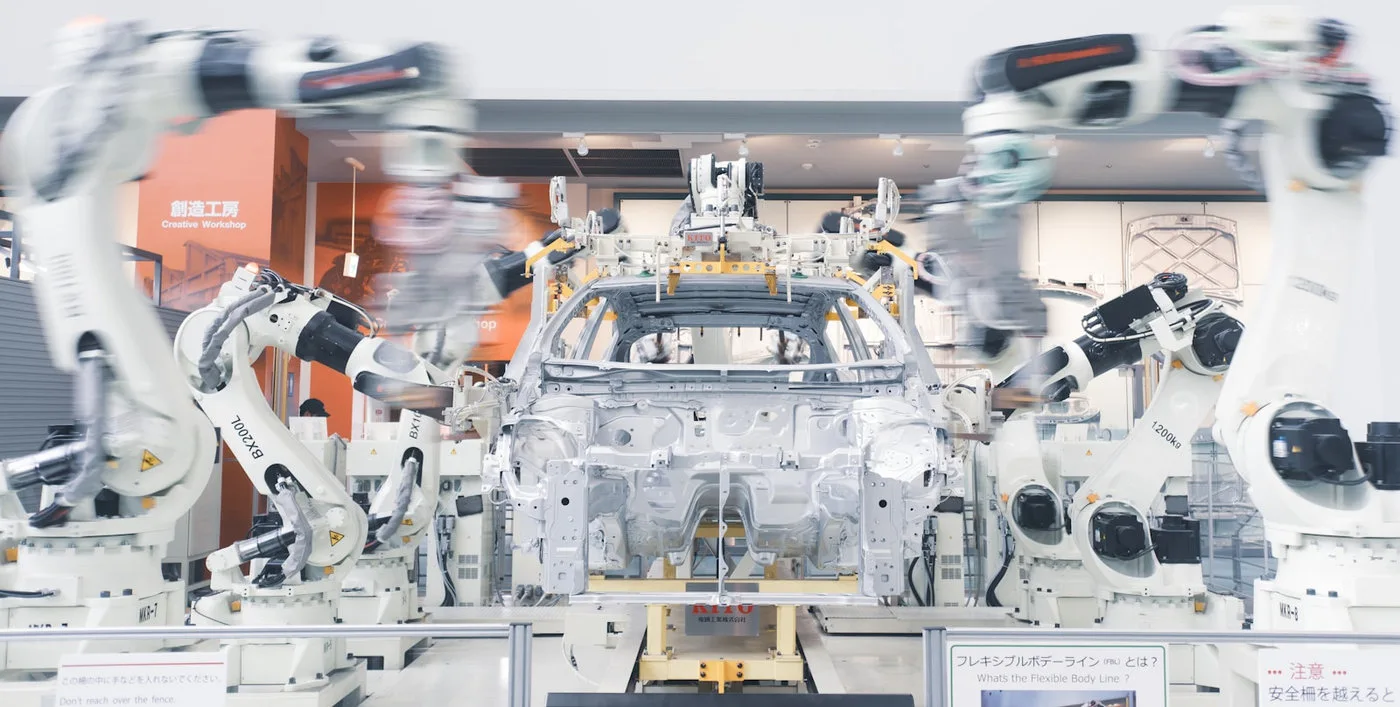
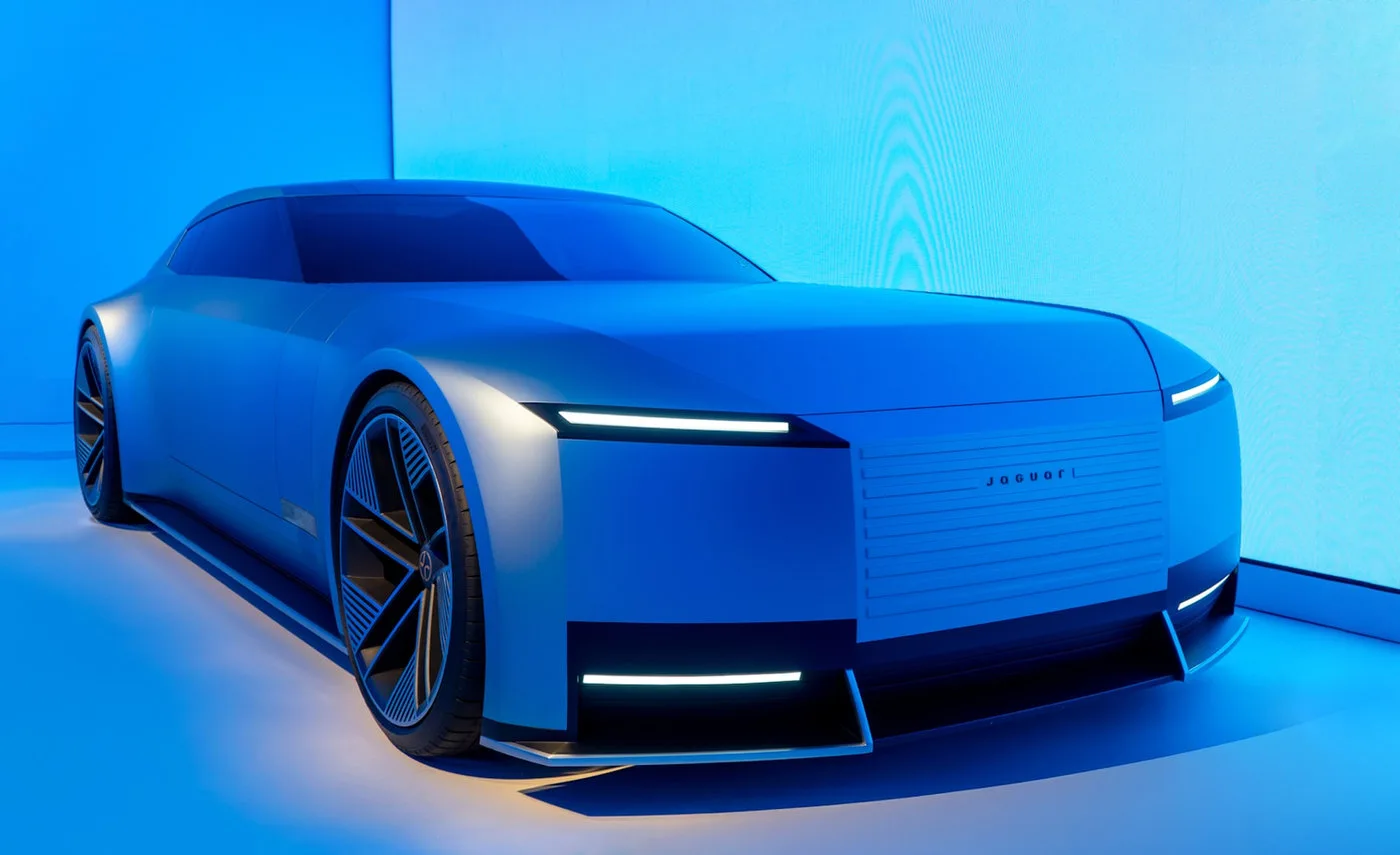
Virtual prototyping is one of the clearest use cases. Designers can place a vehicle, component, interface, or service concept into a realistic context and evaluate proportions, access, visibility, ergonomics, and workflow before committing to tooling. A virtual review also gives distributed specialists a common reference, reducing the ambiguity of drawings and disconnected presentations.
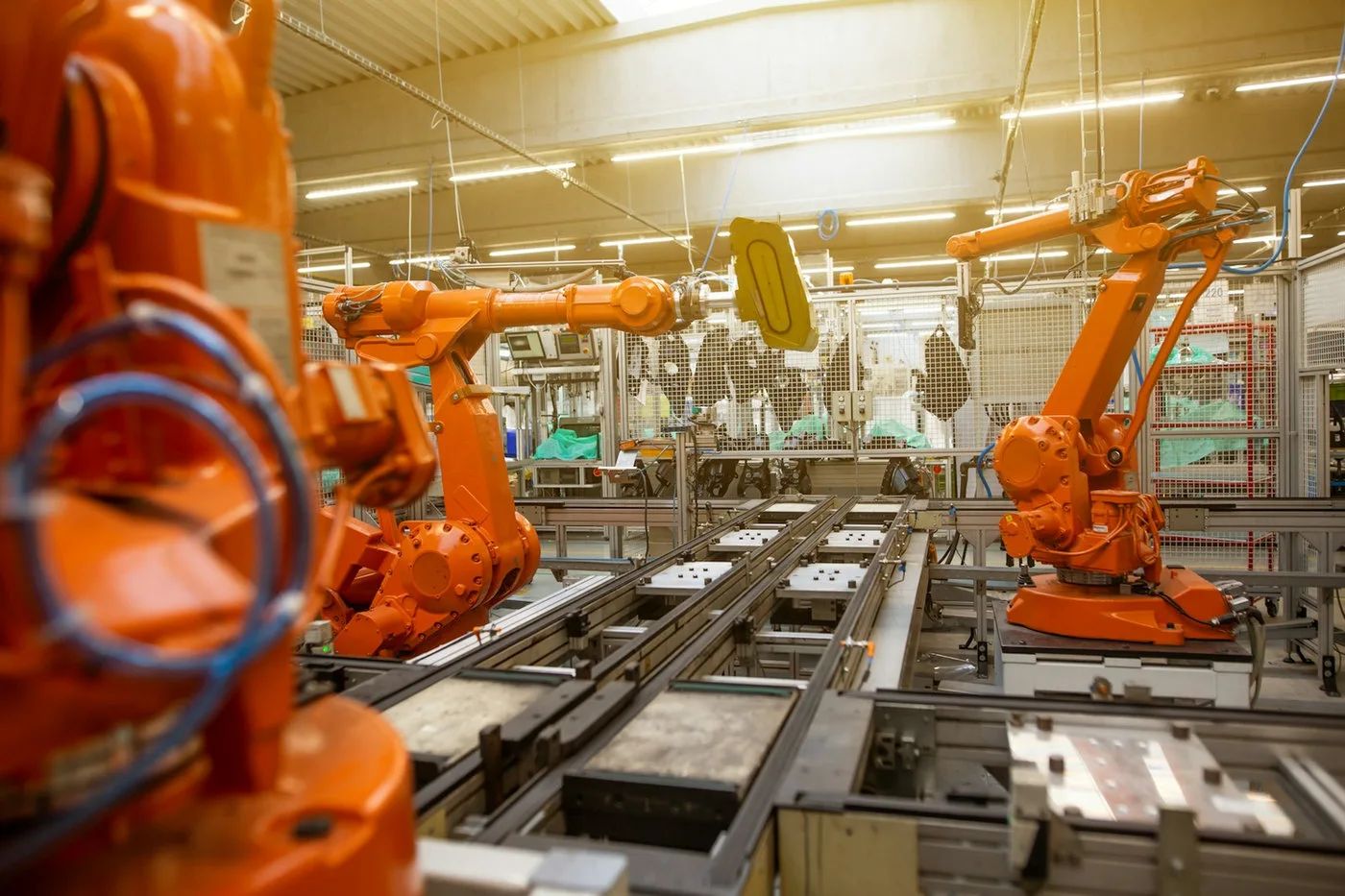
Manufacturing and service planning are another high-value area. Teams can rehearse assembly sequences, inspect reach and clearance, assess worker movement, and train technicians without interrupting a production line. The goal is not to replace manufacturing engineering tools, but to make complex procedures understandable and testable for the people who must perform them.
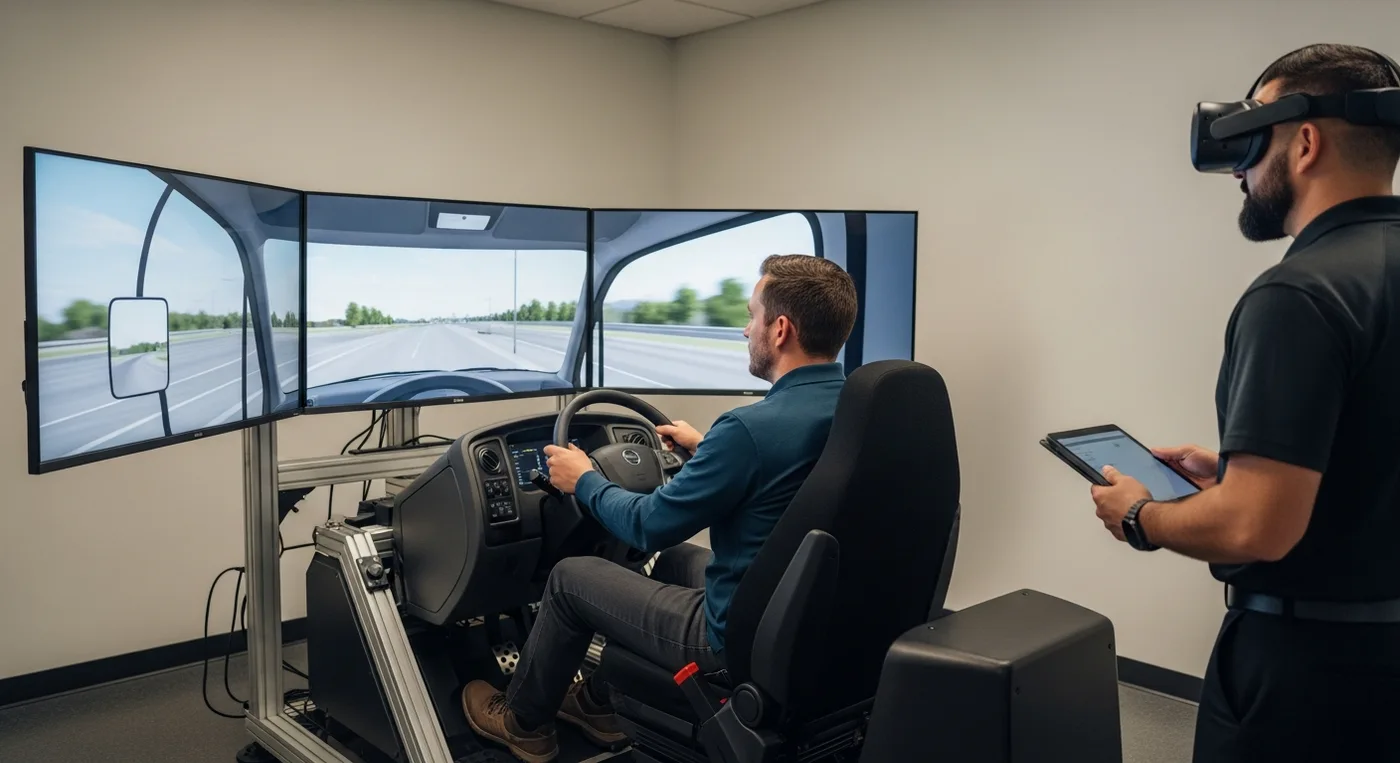
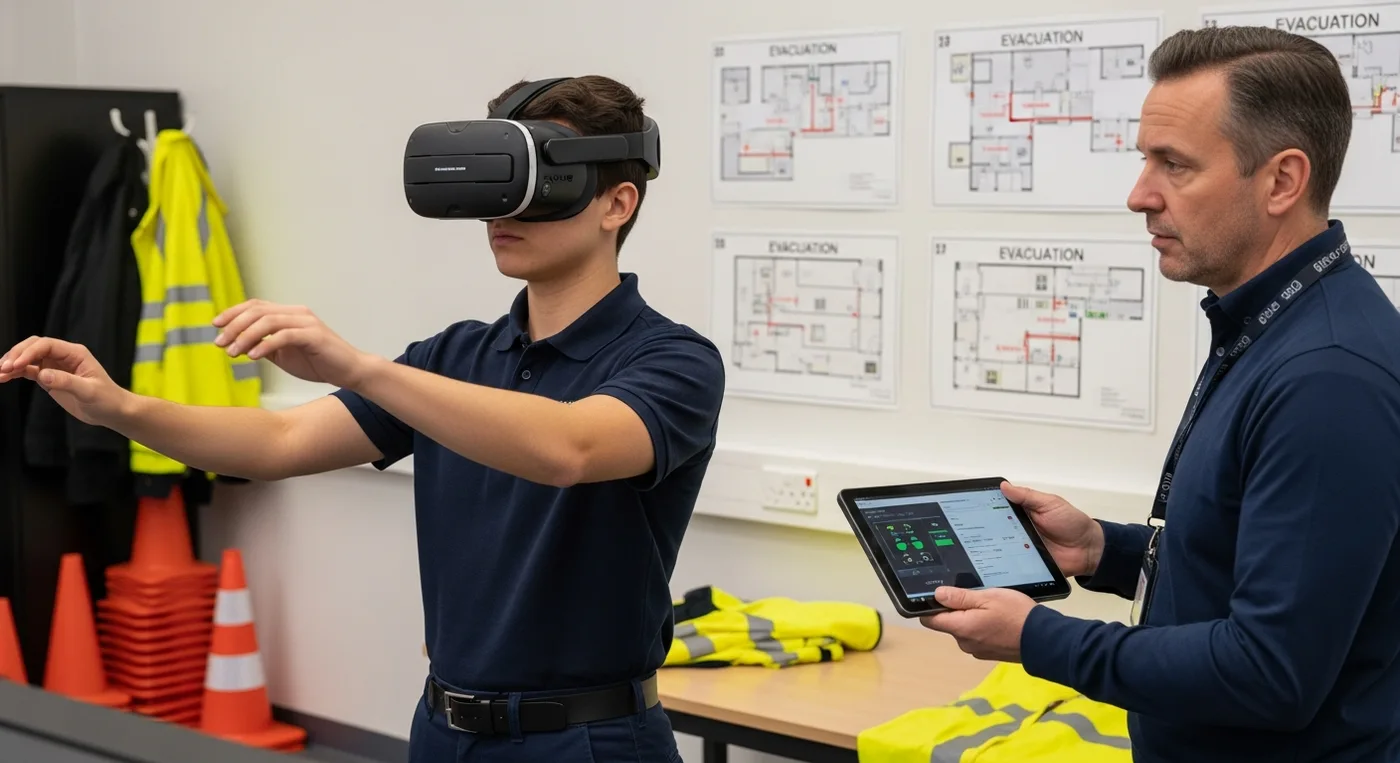
Training simulations help drivers, technicians, dispatchers, and emergency teams practice rare or hazardous situations without exposing people or assets to the actual danger. Scenarios can be reset, repeated, and progressively made harder. Performance can be measured consistently, supporting coaching and demonstrating whether procedures work under pressure. Mimic Mobility’s article on
virtual driving simulation for fleet training
provides a practical example of this repeatable training model.
Simulation also supports connected and electric mobility operations. Charging demand, depot layouts, service interruptions, and passenger flows can be explored before infrastructure changes are made. Relevant examples include the site’s guides to
and
passenger-flow simulation in transport hubs
. These use cases show why automotive simulation increasingly extends beyond a single vehicle to the ecosystem in which that vehicle operates.
Finally, simulation can generate controlled data for AI development and testing. It can expose algorithms to variations that are uncommon, expensive, or unsafe to capture at scale. Synthetic data is valuable only when its limits are understood, so teams should document domain gaps and retain real-world validation. The detailed guide to
synthetic data for mobility AI validation
explains how simulated datasets fit into a responsible evidence strategy.
HMI, Driver, and Passenger Experience Validation
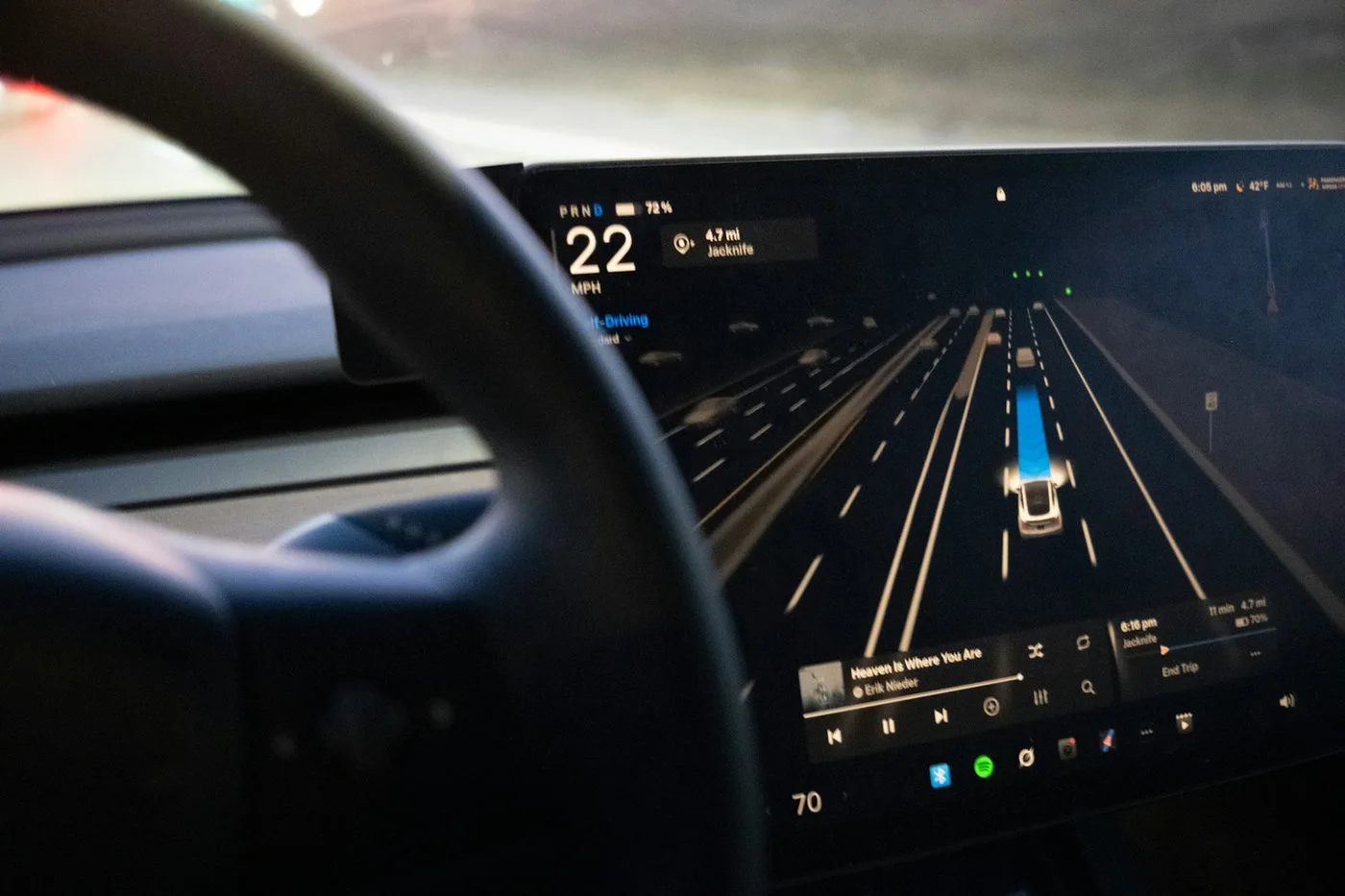
Modern vehicles are software-defined experiences as much as mechanical products. Drivers and passengers interact with displays, voice systems, alerts, personalization features, automation modes, mobile services, and intelligent assistants. Automotive simulation lets teams test these interactions while the interface is still easy to change.
A credible HMI study should examine more than whether users like the graphics. It should measure whether people understand system state, notice critical information, complete tasks efficiently, recover from errors, and maintain appropriate attention. Eye tracking, facial analysis, motion capture, and behavioral logging can reveal where an interface creates hesitation or unnecessary workload. Mimic Mobility outlines these enabling methods in its
advanced mobility technology overview
.
Conversational interfaces add timing, tone, turn-taking, and trust to the validation problem. A virtual assistant may need to explain a route change, support ticketing, adjust vehicle settings, or provide emergency guidance. Simulation allows teams to rehearse dialogue in noisy, stressful, multilingual, and accessibility-sensitive contexts before a live rollout. The company’s
AI avatar services for vehicles and public transport
show how branded digital humans can operate across cabins, stations, kiosks, and support channels.
Design teams should include varied users early. Differences in age, language, mobility, vision, hearing, familiarity with automation, and cultural expectations can change how an interface performs. Scenarios should include first-time users and edge cases, not only expert evaluators. Accessibility is most effective when treated as a design input rather than a late compliance check.
For production-bound systems, simulated HMI evidence should connect to requirements and test cases. Record the interface version, scenario, participant profile, prompts, measures, and observed failures. That traceability helps teams distinguish a genuine design improvement from a result caused by a changed scenario or sample.
From Virtual Evidence to Physical Validation
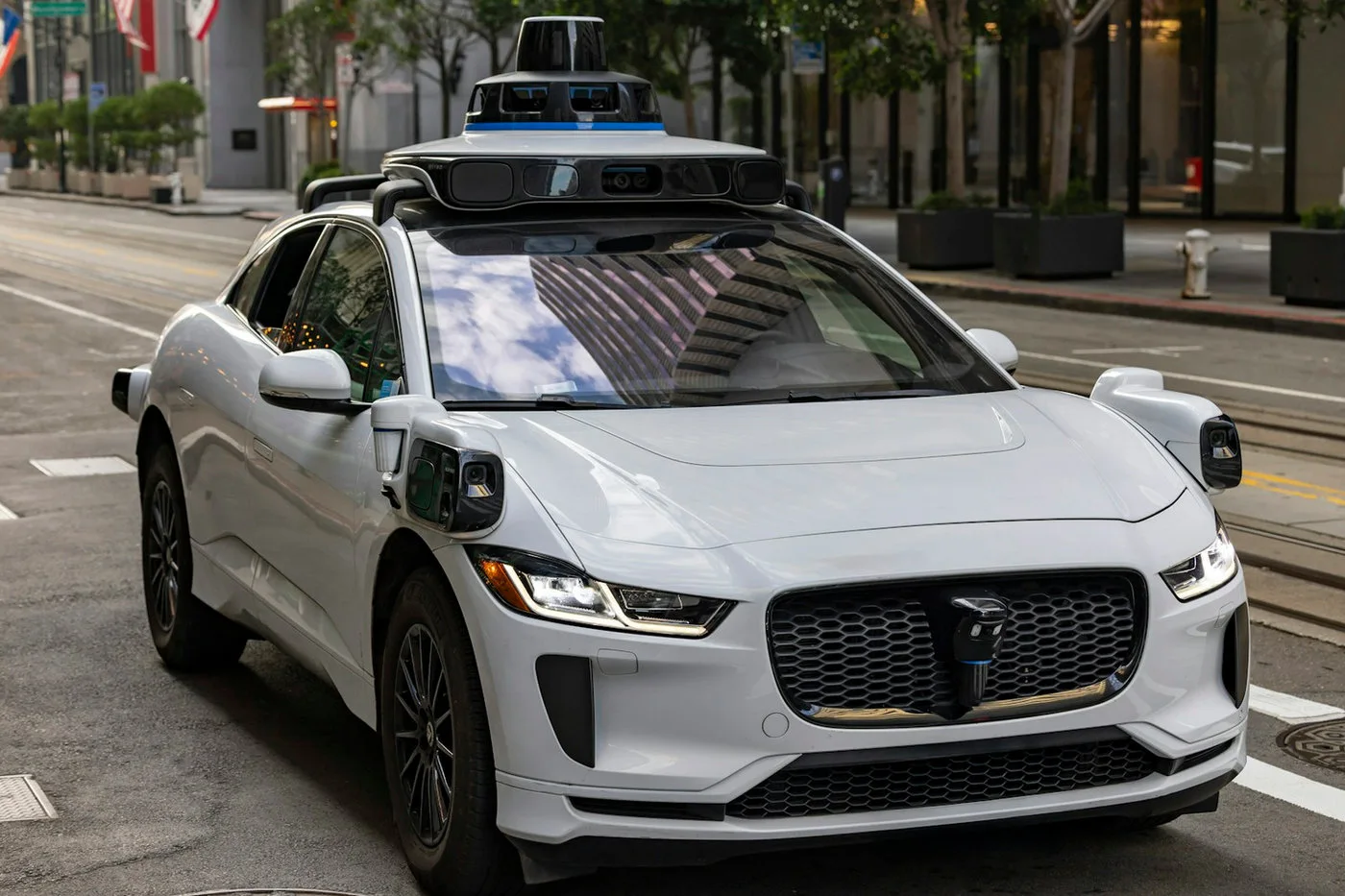
Automotive simulation does not eliminate physical testing. It improves the order, coverage, and focus of that testing. Virtual experiments can explore many combinations, identify risky assumptions, and prioritize the scenarios that deserve laboratory, proving-ground, road, or operational validation. Physical evidence then calibrates the model and reveals effects the simulation did not represent.
A practical validation plan uses a ladder of fidelity. Begin with simplified models for broad exploration. Add production-intent software and accurate assets when the design stabilizes. Introduce hardware, sensor feeds, physical controls, or human participants when they materially affect the question. Finish with targeted real-world tests that challenge the model at its boundaries rather than merely repeating easy nominal cases.
Teams should define acceptance criteria before looking at results. Criteria may cover task time, detection distance, lane behavior, response latency, failure recovery, passenger comprehension, thermal load, energy use, throughput, or operator workload. Predefined measures reduce confirmation bias and make it easier to decide whether a discrepancy requires a design change, model update, or additional test.
Governance matters as simulation assets multiply. Assign owners to models, scenarios, datasets, and requirements. Track versions and assumptions. Protect sensitive vehicle and participant data. Review third-party model dependencies. Preserve the configuration that generated a decision so another team can reproduce it later. These practices turn one-off demonstrations into a reusable automotive simulation capability.
A useful pilot is narrow enough to complete but important enough to influence a real decision. Choose one interface, procedure, safety scenario, or operational bottleneck; define two or three measures; build a baseline; compare controlled variants; and validate one representative case physically. Once the team trusts the evidence chain, expand the scenario library and integration depth.
Organizations ready to evaluate a pilot can
to discuss automotive visualization, immersive prototyping, training, AI interfaces, and validation requirements. The company’s
transport simulation software guide
also provides a useful checklist for matching a platform to operational goals.
Frequently Asked Questions
What is automotive simulation?
Automotive simulation uses digital models and controlled scenarios to study vehicles, software, interfaces, people, manufacturing processes, and mobility environments before or alongside physical testing.
How is automotive simulation different from a 3D vehicle model?
A 3D model mainly represents appearance and geometry. A simulation adds defined behavior, inputs, scenarios, measurements, assumptions, and a validation method so teams can use it to answer a decision question.
Can simulation replace physical vehicle testing?
No. It can reduce unnecessary prototypes, expand scenario coverage, and focus physical tests on the highest-value or highest-risk questions. Real-world evidence remains essential for calibration and final validation.
Which automotive simulation use cases deliver value first?
Focused pilots often start with virtual prototyping, HMI usability, driver training, service procedures, sensor edge cases, manufacturing reviews, or operational scenarios such as charging and passenger flow.
What data is needed to build a credible simulation?
Requirements depend on the question, but may include geometry, vehicle parameters, software logic, sensor characteristics, environment data, human behavior, operational records, and measurements from real tests.
What is the role of VR in automotive simulation?
VR gives reviewers and participants an embodied sense of scale, visibility, reach, movement, and context. It is particularly useful for cockpit review, training, ergonomics, maintenance procedures, and collaborative design.
How can HMI teams measure simulation results?
Common measures include task completion, error rate, response time, glance behavior, comprehension, workload, trust, failure recovery, and qualitative feedback tied to a specific interface and scenario version.
How should a company start an automotive simulation project?
Choose one meaningful decision, define scope and acceptance criteria, build a baseline scenario, compare a small number of controlled variants, and validate at least one representative result with physical or operational evidence.
Conclusion
Automotive simulation is most valuable when it connects a clear decision to a traceable chain of models, scenarios, measures, and real-world validation. Used this way, virtual prototyping helps teams learn earlier, collaborate across disciplines, expose risky assumptions, and spend physical testing resources where they matter most.
Ready to explore a focused automotive simulation pilot?
Discuss your vehicle, HMI, training, or mobility validation challenge with Mimic Mobility